Lots of hits in the last 24 hours on my earlier blog post about Louise Gluck. Being awarded the Nobel Prize in Literature tends to have that effect… She’s a fascinating writer, always experimenting, but Anne Carson or Claudia Rankine would have come before her on my list. But given the obvious interest in her work, I’m posting here the text of the review I wrote for Poetry London in 2014 of Gluck’s last (ie. latest, though 6 years old now) book, Faithful and Virtuous Night (Carcanet). The review was paired with Michael Longley’s The Stairwell (Cape, 2014).
 Louise Gluck’s comments on George Oppen remain one of the best ways into her own poetry. In praising Oppen, she declares her own hand: “I love white space, love the telling omission [. . .] find oddly depressing that which seems to have left out nothing. Such poetry seems to love completion too much, and like a thoroughly cleaned room, it paralyses activity” (Proofs and Theories, Carcanet, 1994). The homely metaphor here is also characteristic. She shares with Oppen (and surprisingly with Longley) a preference for what is singular, common, small, for “solid nouns”, a language restored “to natural health [. . .] for common use”, rather than a Stevensian “hermetic patois” (‘On George Oppen’ ). So her style has been variously called spare, stripped down, deflated, thinned (especially so since Ararat (1990)). Yet the miraculous paradox her poems evoke is suggested by a further observation from 1994, that “precision is not the opposite of mystery”. Gluck’s dreamlike, enigmatic narratives are all the more powerful – convincing one might say – precisely because of the directness, plainness of her language.
It’s appropriate then that in her new book one of the protagonists paints canvases which are “immense and entirely white” (‘The White Series’). There is mystery enough in this new collection which (as often with Gluck) gestures towards a narrative but whose narrators switch gender, are much concerned with parents (who have perhaps died in a car crash), a caring aunt, a brother (perhaps a sister). These are scenes from (at least one) life. The dominant voice is that of a male artist who, after a career interruption, begins to paint white on a visit to America. He takes on a nephew as a companion as he approaches death. In ‘A Summer Garden’, he discovers a photo of his mother slipped into a translation of Thomas Mann’s Death in Venice (1912) and a studied, fin de siècle fastidiousness over language surfaces in many poems. Gluck’s novelistic skills in drawing a world in a few strokes and character in even fewer are evident, though once again action is missing; Gluck’s characters, whether male or female, are passive.
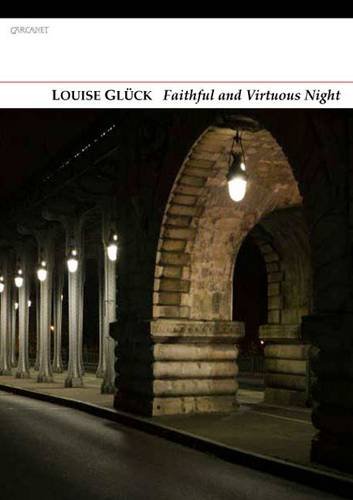 Like Mann’s Gustav von Aschenbach, Gluck’s figures contemplate mortality while turning over their past. Though less obviously personal and less contented, as with Longley, the term nunc dimittis seems appropriate. The loss of parental figures is a recurrent trope and in ‘An Adventure’ love too is stripped away in a vain hope of “profound discoveries”. Poetry is lost too, again anticipating “the vast territory / opening to us with each valediction”. In A Village Life (2009), such a via negativa was doubted as “illumination / of the kind [that] destroys / creatures who depend on things” (‘Bats’) and here too it seems ineffectual. The quasi-Victorian cosiness evoked by the book’s title is exposed as false as remembered days “become unstable”, time leaps to and fro, seemingly at random and, if the soul travels at all, the puzzle remains that it always returns “empty-handed”:
[. . .] there is no perfect ending.
Indeed, there are infinite endings.
Or perhaps, once one begins,
there are only endings.
‘Faithful and Virtuous Night’
This is a bleak world not unfamiliar to readers of Gluck. In 1985 she asked, “Why love what you will lose?” only to answer, “There is nothing else to love” (From the Japanese’). Here, her real subject is the way we create our own meanings. ‘Afterword’ reflects on an earlier poem in the collection, suspicious of the “instinct / [to] discern a shape, the artist in me / intervening to stop traffic, as it were”. A meeting with an old woman yields the anticipation “that some important secret / was about to be entrusted” but on reflection her words are “pointless” (‘A Sharply Worded Silence’). Gluck (again like Longley) has used Homeric and Greek mythic material to ironise her more contemporary subjects. Faithful and Virtuous Night instead makes reference to T H White’s The Sword in the Stone to evoke the same kind of focused, watershed moment, indubitably saturated with meaning that the events of her narrator’s lives lack. Even the analyst’s couch offers nothing more than “my ingenuity versus / his evasiveness: our little game” (’The Sword in the Stone’).
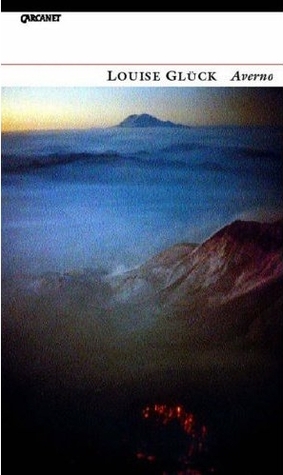 In recent years, the Italian settings of Averno (2006) and A Village Life have seemed to warm Gluck’s empathy, developing a more dramatic quality to her work in portraits less obviously autobiographical. This new collection perhaps reverts, but still she engages and moves her readers and there do seem to be eventual gains along this apparently bleak road. These lie in the poems’ openness, the way they seem capable of encompassing such varieties of experience, of saying ‘yes’. Of Oppen, she wrote that his work had the power to seem “simultaneously, whole and not final, the power to generate, not annul, energy”. As in sitting before a Samuel Beckett drama, the paradox is we are not drained of energy by the apparently fruitless search for meaning, but are thrown back onto the road all the more attuned to the clues, to the activity demanded of us. In his last days, Gluck’s artist has his nephew sing Jacques Brel’s ‘The Old Folks’ (“The little cat is dead and no more do they sing“) as well as Rodgers and Hammerstein’s ‘The Hills are Alive’. The insight is that “we do not, in the main, need to choose between them” (‘The White Series’).
To end at the beginning, Faithful and Virtuous Night opens with ‘Parable’ in which, “as St. Francis teaches”, a group of people divest themselves of worldly goods, better to focus on their goals, better to move unencumbered towards them. But the direction of travel is unclear, as is their purpose. Much debate ensues; time passes. In the background, perhaps we hear Brel’s “old silver clock” ticking. The group grows old in debate and their ageing (some believe) is their true purpose, while others believe the passage of time is the truth they hoped to be revealed. Both seem satisfied and perhaps we need not choose between them, only admire Gluck’s precise evocation of the mystery.
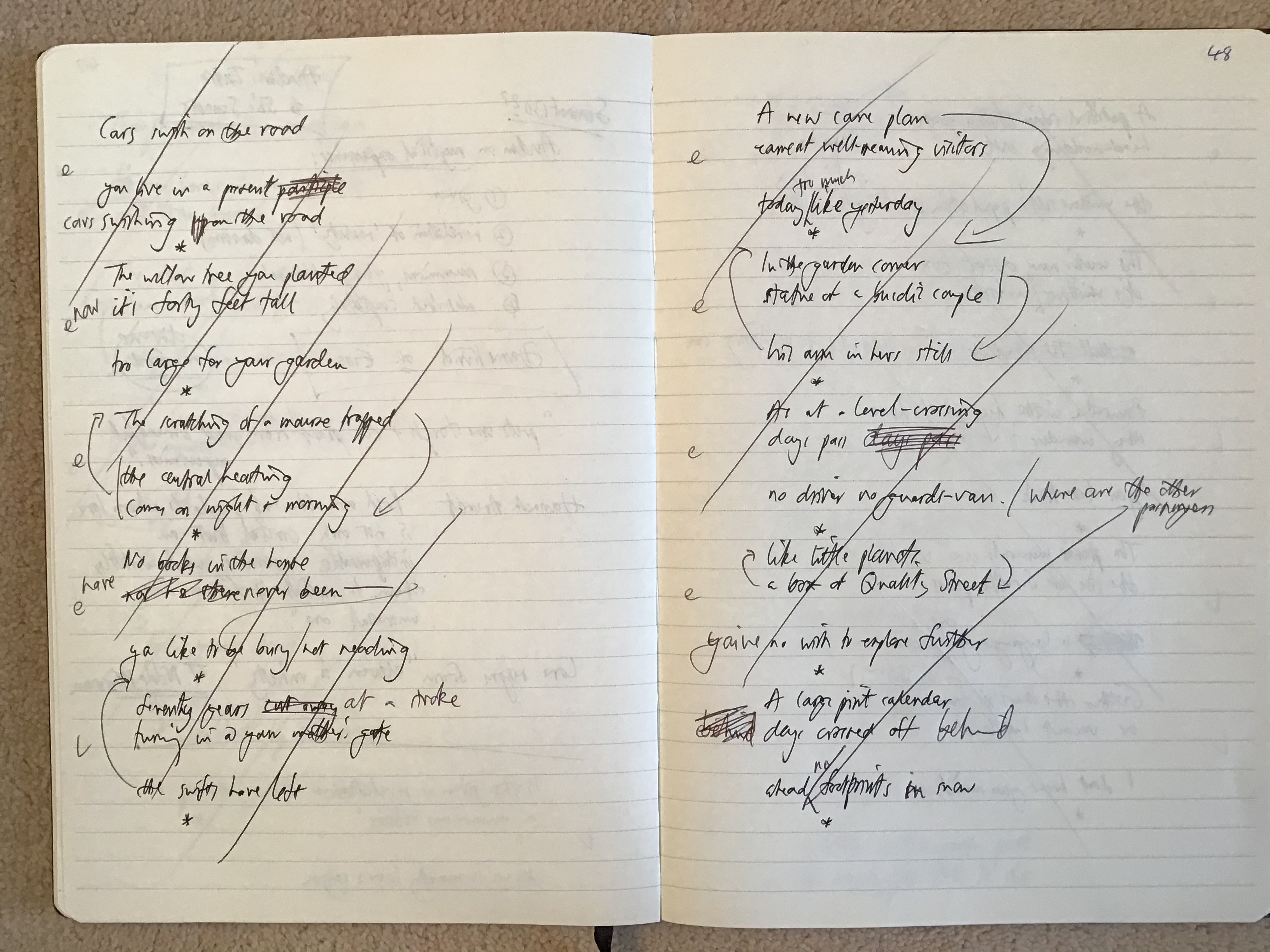
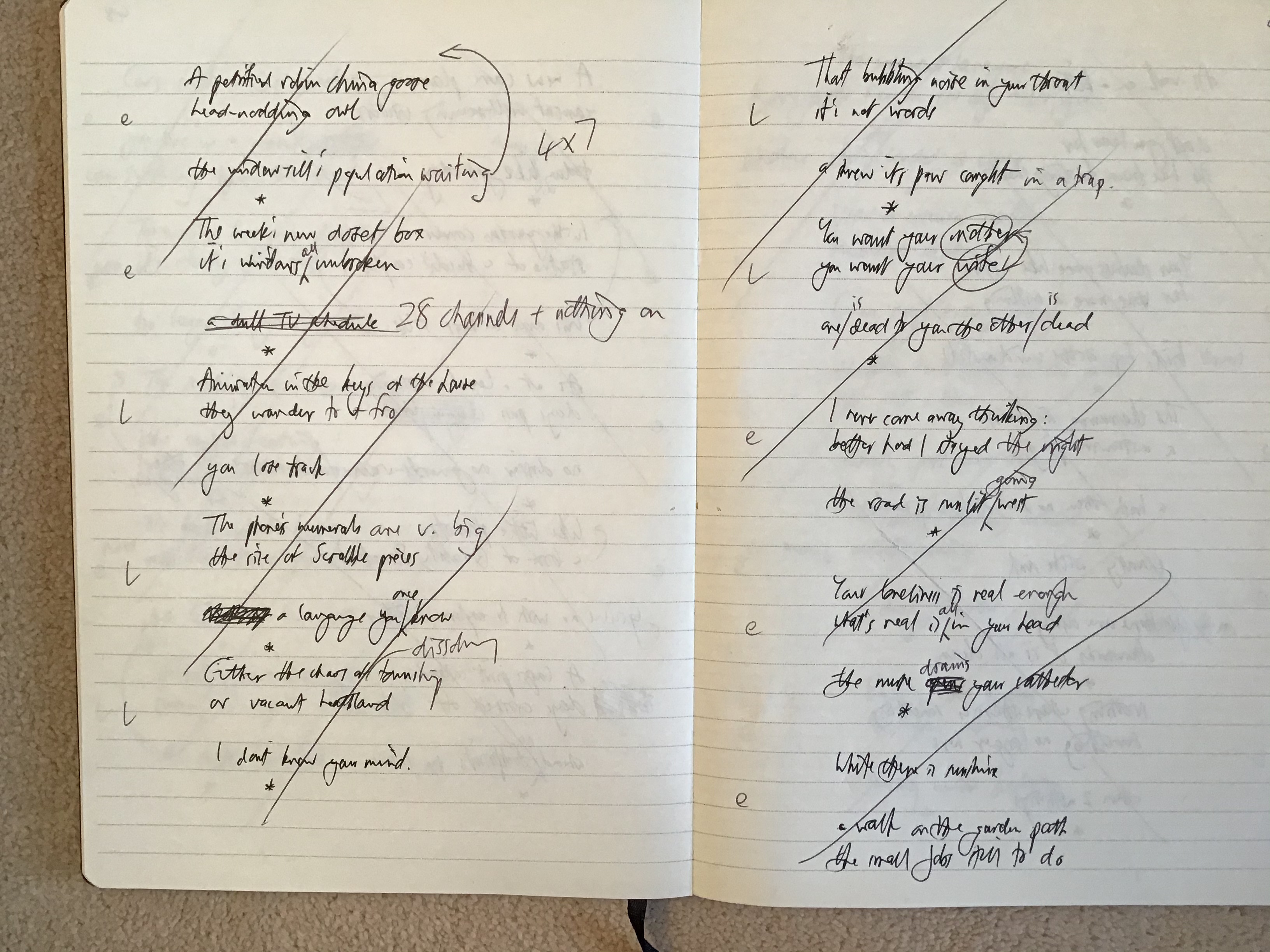
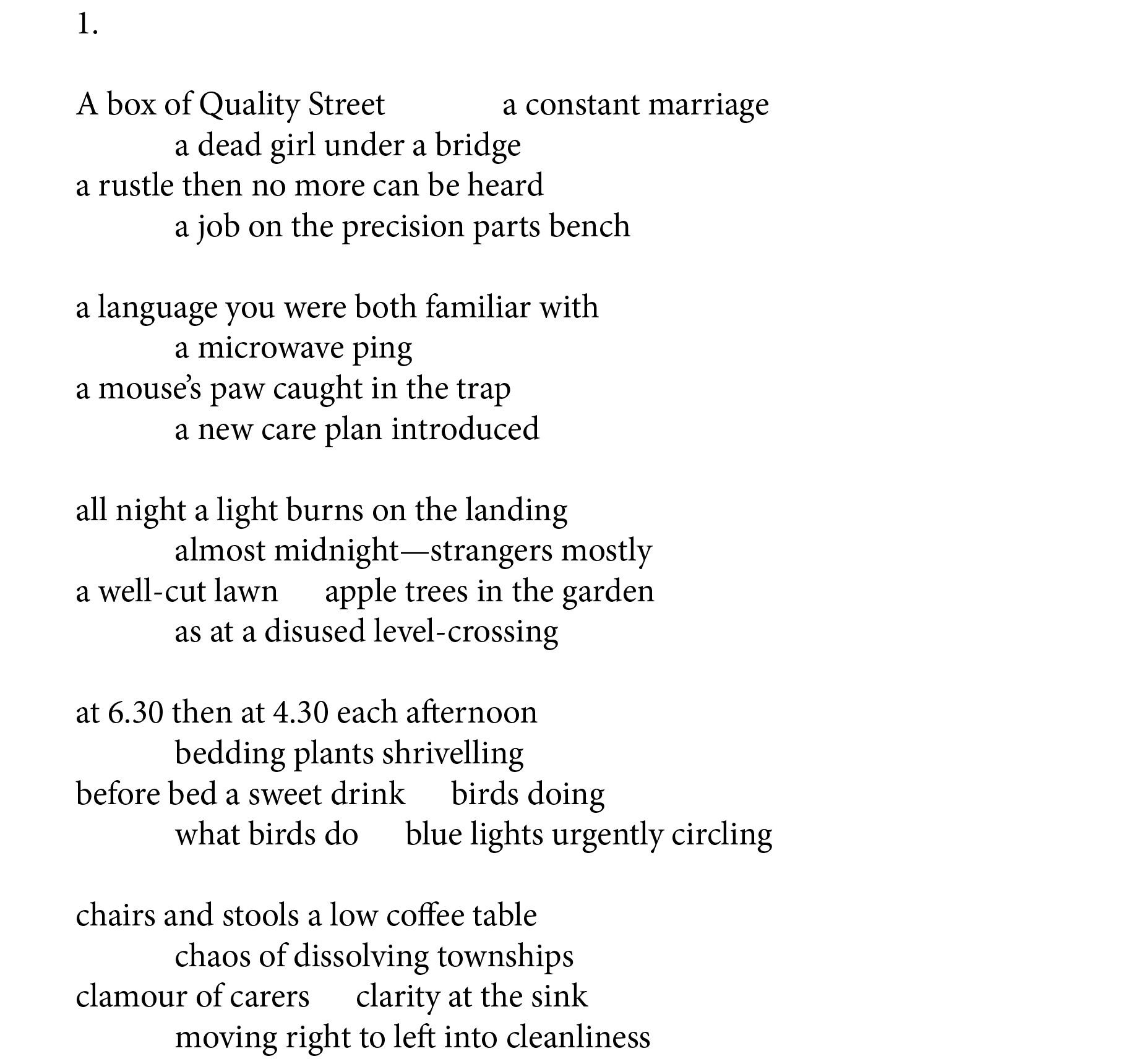
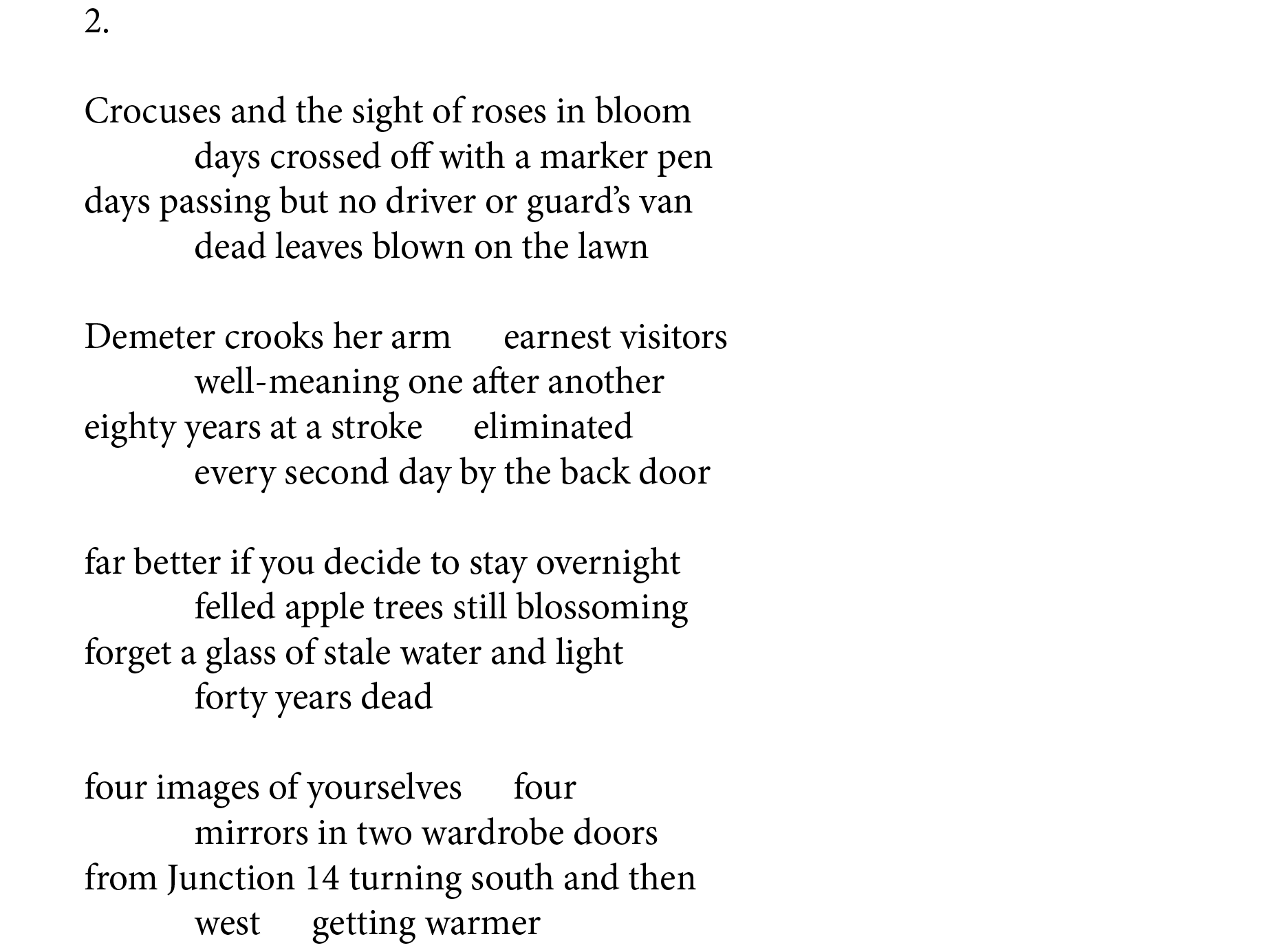
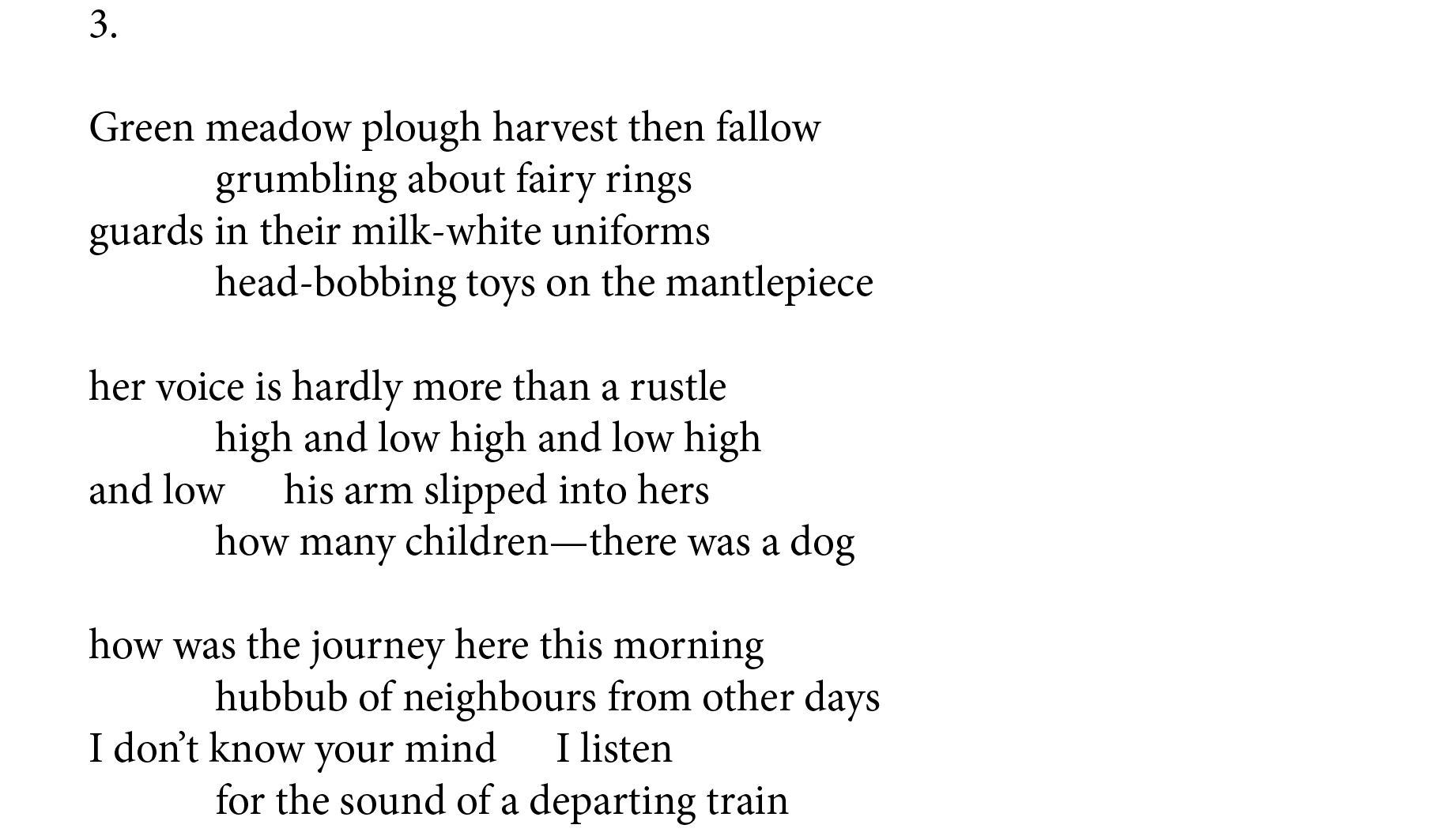
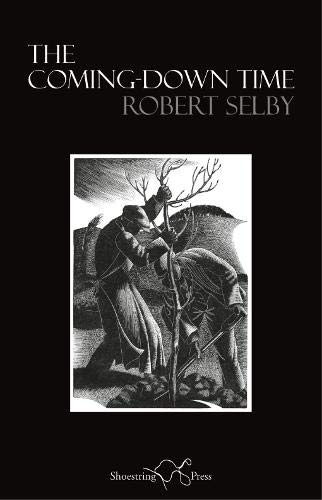 Robert Selby’s debut collection is fronted by a wood cut engraving by Clare Leighton, titled ‘Planting Trees’. Two flat-capped workmen labour to bed in a sapling. A wind-bent tree stands nearby; on the gusty skyline, at the top of a hill, a dark copse. It’s like something out of a Thomas Hardy poem, or an Edward Thomas one, and it’s well-chosen as these are the forebears The Coming-Down Time often explicitly acknowledges. Launched into a poetry world dominated by so many books addressing environmental, gender, race and identity issues, this collection (depending on your viewpoint) is either timeless or behind the times. Selby’s careful organisation of the poems makes it clear he knows what he’s doing and he will do it his way.

 Selby’s use of language and form is likewise pretty traditional. It’s not just a result of the subject matter that the book is frequented by words such as smithy, shire, lambkin, deer-stalker, and lush-toned phrases such as “blossom-moted”. The flip side of this is that details of 2020 UK are often treated with a distaste, an alienated distance. Later in the book, a friend returns from the dust and pollen of the English countryside into London: “its tagged shutters and sick-flecked stops, / its scaffolding like the lies / propping up your peeling hopes”. The friend is female and (I think) Canadian. Another poem’s narrator tries to persuade her that “[t]his is the real England [. . .] It’s a place of trees; of apple, pear, cherry and plum”. There is more to be said here about the meaning of ‘real’ and it’s hard to tell if the narrator’s invitation is meant to have a deathly ring to it. He asks, “Do you want to reset your watch to the toll of here?”
 The import of this question forms the emotional and dramatic context of the later poems in the collection which trace an on/off relationship. The narrator is left wondering: “I must wait for the needle / of your heart’s compass to unspin, / and see where it stops”. In reading that I’m reminded of Lea and – what seemed to be – her relative lack of choice in the earlier years of the twentieth century. There is a good deal of unalloyed nostalgia in The Coming-Down Time for an England of the mind, if it was ever part of any actual century. I find the female figures in the book suffer because of this: most of them do not achieve a specific, particular life in the poems. I’d like Selby to go on to explore the irony in two images: the masculine arms in “rolled up sleeves” that may or may not be “strong enough” and the closing lines just quoted, in which the desired woman bides her time, knowingly possessed of strength, of the agency of decision.




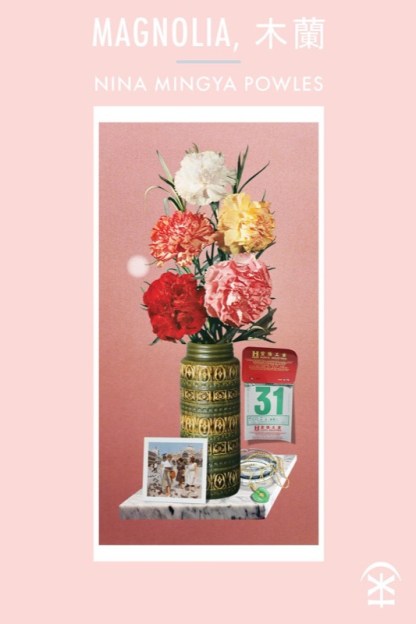 Nina Mingya Powles’ collection, Magnolia 木蘭, is an uneven book of great energy, of striking originality, but also of a great deal of borrowing. This is what good debut collections used to be like! I’m reminded of Glyn Maxwell’s disarming observation in On Poetry (Oberon Books, 2012) that he “had absolutely nothing to say till [he] was about thirty-four”. The originality of Magnolia 木蘭 is largely derived from Powles’ background and brief biographical journey. She is of mixed Malaysian-Chinese heritage, born and raised in New Zealand, spending a couple of years as a student in Shanghai and now living in the UK. Her subjects are language/s, exile and displacement, cultural loss/assimilation and identity. Shanghai is the setting for most of the poems here and behind them all loiter the shadows and models of
 I don’t think the intriguing glimpses of an individual young woman in this first poem are much developed in later ones. The Mulan figure makes a couple of other appearances in the book and is reprised in the concluding poem, ‘Magnolia, jade orchid, she-wolf’. This consists of even shorter prose observations. In Chinese, ‘mulan’ means magnolia so the fragments here cover the plant family Magnoliaceae, the film again, the Chinese characters for mulan, Shanghai moments, school days back in New Zealand and Adeline Yen Mah’s Chinese Cinderella. It’s hard not to think you are reading much the same poem, using similar techniques, though this one ends more strongly: “My mouth a river in full bloom”.
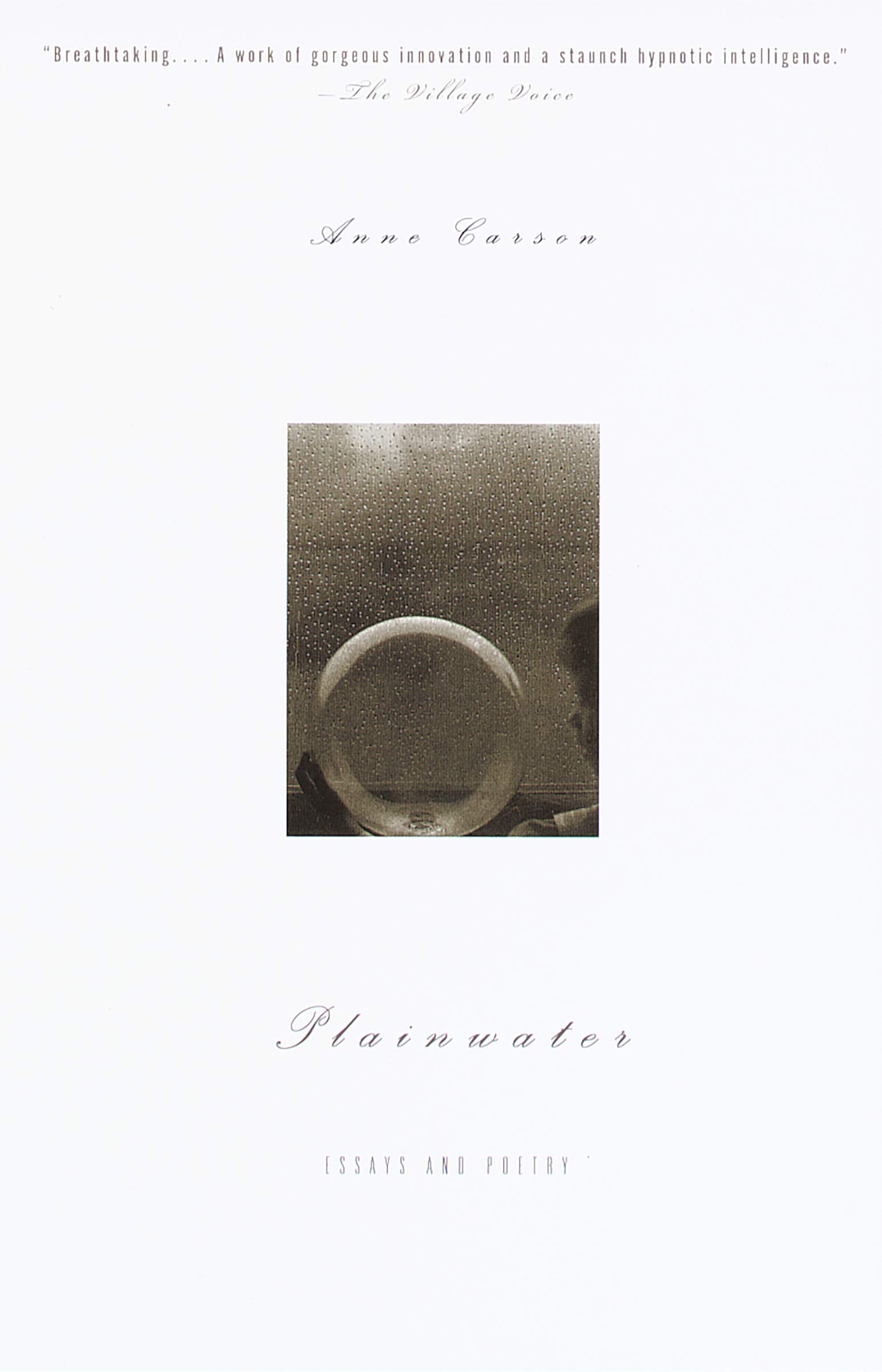 Unlike Carson’s use of fragmentary texts, Powles is less convincing and often gives the impression of casting around for links. This is intended to reflect a sense of rootlessness (cultural, racial, personal) but there is a willed quality to the composition. One of the things Powles does have to say (thinking again of Maxwell’s observation) is the doubting of what is dream and what is real. The prose piece, ‘Miyazaki bloom’, opens with this idea and the narrator’s sense of belonging “nowhere” is repeated. This is undoubtedly heartfelt – though students living in strange cities have often felt the same way. Powles also casts around for role models (beyond Mulan) and writes about the New Zealand poet, Robin Hyde and the great Chinese author Eileen Chang, both of whom resided in Shanghai for a time. ‘Falling City’ is a rather exhausting 32 section prose exploration of Chang’s residence, mixing academic observations, personal reminiscence and moments of fantasy to end (bathetically) with inspiration for Powles: “I sit down at one of the café tables and begin to write. It is the first day of spring”.
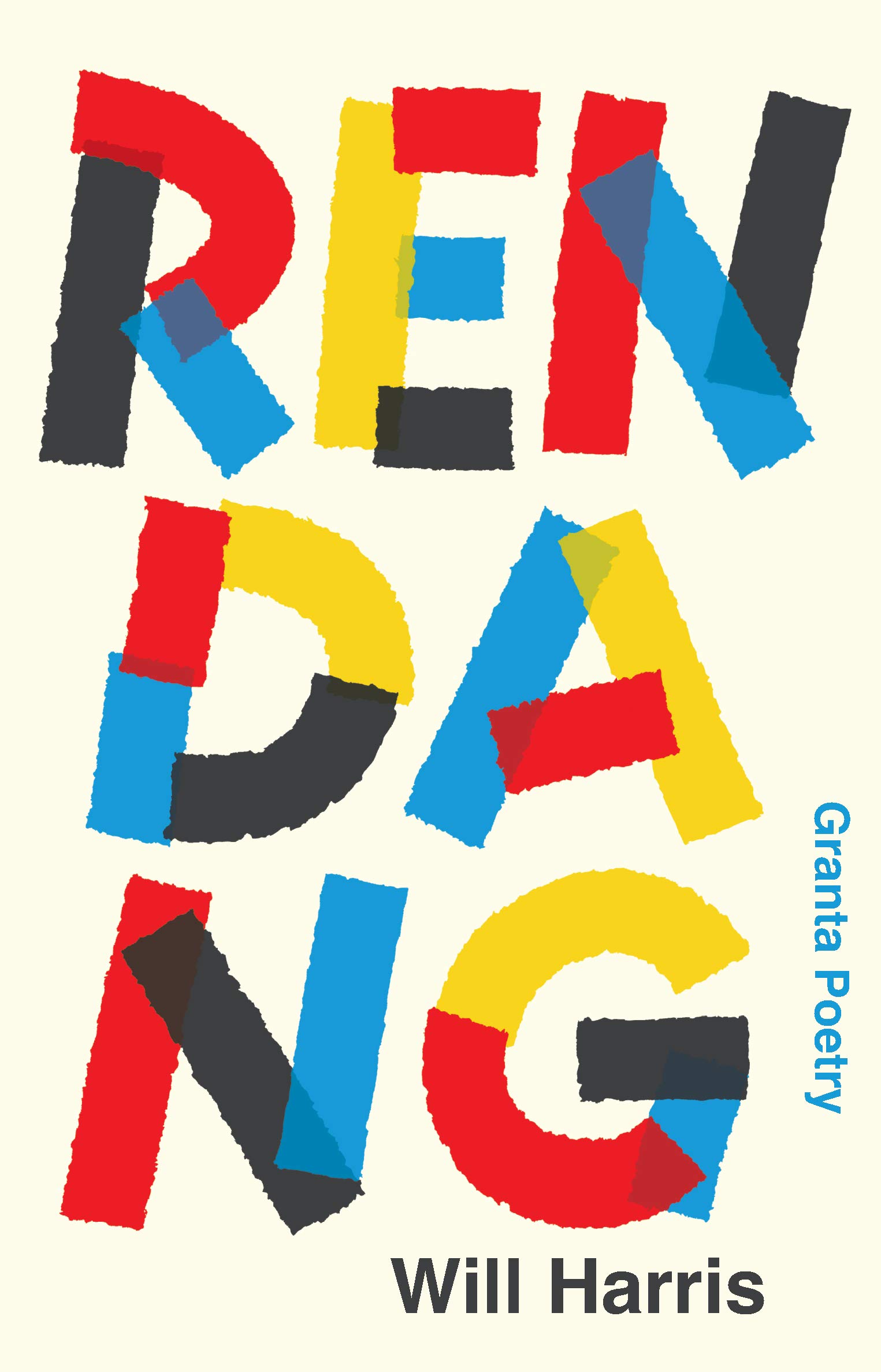 At the heart of Will Harris’ first collection is the near pun between ‘rendang’ and ‘rending’. The first term is a spicy meat dish, originating from West Sumatra, the country of Harris’ paternal grandmother, a dish traditionally served at ceremonial occasions to honour guests. In one of many self-reflexive moments, Harris imagines talking to the pages of his own book, saying “RENDANG”, but their response is, “No, no”. The dish perhaps represents a cultural and familial connectiveness that has long since been severed, subject to a process of rending, and the best poems here take this deracinated state as a given. They are voiced by a young, Anglo-Indonesian man, living in London and though there is a strong undertow of loss and distance, through techniques such as counterpoint, cataloguing and compilation, the impact of the book, if not exactly of sweetness, is of human contact and discourse, of warmth, of “something new” being made.
 This last phrase comes from ‘State-Building’, one of the more interesting, earlier poems in Rendang (a book which feels curiously hesitant and experimental in its first 42 pages, then bursts into full voice from its third section onwards). This poem characteristically draws very diverse topics together, starting from Derek Walcott’s observations on love (his image is of a broken vase which is all the stronger for having been reassembled). This thought leads to seeing a black figure vase in the British Museum which takes the poem (in a Keatsian moment, imagining what’s not represented there) to thoughts of “freeborn” men debating philosophy and propolis, or bee glue, metaphorically something that has to come “before – is crucial for – the building of a state”. The bees lead the narrator’s fluent thoughts to a humming bin bag, then a passing stranger who reminds the narrator of his grandmother and the familial connection takes him to his own father, at work repairing a vase, a process (like the poem we have just read) of assemblage using literal and metaphorical “putty, spit, glue” to bring forth, not sweetness, but in a slightly cloying rhyme, that “something new”.

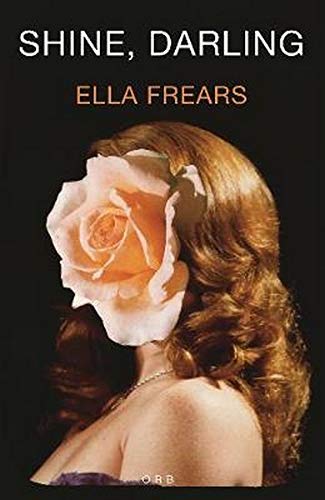 Ella Frears’ Shine, Darling is brimming with youthful exuberance and despair, yet not a jot lacking in thoughtful sophistication. Her subjects are boredom, sex, a woman’s body and the harassment that rushes to fill the void left by uncertain selfhood. A key poem is ‘The (Little) Death of the Author’, about a 13-year-old girl texting/sexting boys in her class, though the title is, of course, one Roland Barthes would have enjoyed. The narrator – looking back to her teen self – remembers pretending to be texting in the bath. The “triumph” is to make the boys think of herself naked (when she’s really eating dinner or doing homework). Hence “Text / and context are different things”. Her texts are careful constructions, evocative, alluring, full of tempting ellipses. On both sides, there is a filmic fictionalising going on (in the absence of any real sexual experience). The poem (which is a cleverly achieved irregularly lined sestina) ends with the authorial voice breaking cover: the poem itself is “a text I continue to send: Reader, I’m in the bath . . . / Nothing more to say than that. And if you like / you can join me”. The flirtation is a bit overdone (but other poems show Frears is wholly conscious of that) and the poem indicates one of this book’s chief concerns is with the difference between the truth of what happens and the truth of a poem.
 The obvious risk of such sexual adventuring is the subject of ‘Hayle Services (grease impregnated)’. The parenthetical allusion here is to Elizabeth Bishop’s ‘Filling Station’ where everything is “oil-soaked, oil-permeated [. . .] grease / impregnated”, a poem which concludes, against the odds of its grimy context, that “Somebody loves us all”. In contrast, Frears’ crappy, retail-dominated English motorway service station is (ironically) the stage for a pregnancy scare, a desperate search for a test kit in Boots and an anxious, “[p]issy” fumbling in the M&S toilet cubicle, then waiting for the “pink voila”. The headlong, impossible-to-focus, sordid anxiety here is brilliantly captured in the short, run-on lines. Frears also catches the young woman’s multiplicity of streams of consciousness, the scattershot: the potential father is present but soon forgotten, his reassurances dismissed, the pushy sales staff avoided in anger and embarrassment, the difficulty of urinating, the cringingly inappropriate joke-against-self in “et tu uterus”, the conventional moral judgement (“soiled / ruined spoiled”) and the final phone call to “Mamma, can you come pick me up?”
 And yet, poems in Shine, Darling do regularly turn to the moon for possible explanations of actions (‘Phases of the Moon / Things I Have Done’), for a witness if not for protection (‘Walking Home One Night’) and for directions (‘I Knew Which Direction’). The latter poem is a beautiful lyric opener to the book but is rather misleading. The repetition of the word “moonlight” seems to give an almost visionary access: “no longer a word but a colour and then a feeling / and then the thing itself”. It is curious that a poet asserts the transparency of language in this way (Frears is not much concerned with the nature, limits and impositions of language, unlike Nina Mingya Powles’ shortlisted Magnolia 木蘭), but also the idea of such an untrammelled access to “the thing itself” is countered by every poem that follows. Frears’ world view may not be too much troubled by words but the very idea of a unitary truth to be beheld with clarity is profoundly doubted.
 Some films stick in the mind for reasons beyond the cinematic, don’t they? In the 2003 comedy Bruce Almighty, Jim Carey plays the character of God and, along with more obviously useful powers, he has to respond to the prayers of the world. But people are always praying! He rapidly approaches a kind of madness as voices swim around him, clamouring for attention. He takes to reading the prayers in the form of e-mails. He tries to answer them individually but is receiving them faster than he can possibly respond. He decides to set his e-mail account to automatically answer “yes” to all, assuming that this will make everybody happy. Of course, it does not.

 Perhaps one explanation of why the question ‘what is poetry?’ is so difficult to answer is because it is, to a large extent, an art of the negative, of avoidance.

 Martyn Crucefix