Bloodaxe poet, editor and tutor, Chrissy Williams, set up and edits PERVERSE poetry. Her site’s strap-line for publication is that she’s looking for “deliberate, obstinate, unreasonable or unacceptable poems, contrary to the accepted or expected standard or practice”. A willful outlier, in other words, looking for experiments and/or orphans. Some of you – if you subscribe to her site or keep an eye on social media – may have seen three pieces I’ve written which PERVERSE published last week. These were the opening three poems from a sequence of twelve and the Note published with them by PERVERSE explains a good deal (I’ll put the poems themselves at the end of this post).
Note: these poems are from a sequence in the form of an abecedary, a calendar of 12 pieces. Carolyn Forche’s ‘On Earth’ first interested me in this form. She associates its inclusiveness (from A-Z) with the pleroma, the fullness of God’s creation, the One. The fullness I have aimed at in this case was the difficult last years of my parents’ lives. Drawing on notes I made between 2016 – 2018, the disjointed nature of this particular totality reflects their growing illness and confusion; but I hope the whole exudes what it was written with, love.
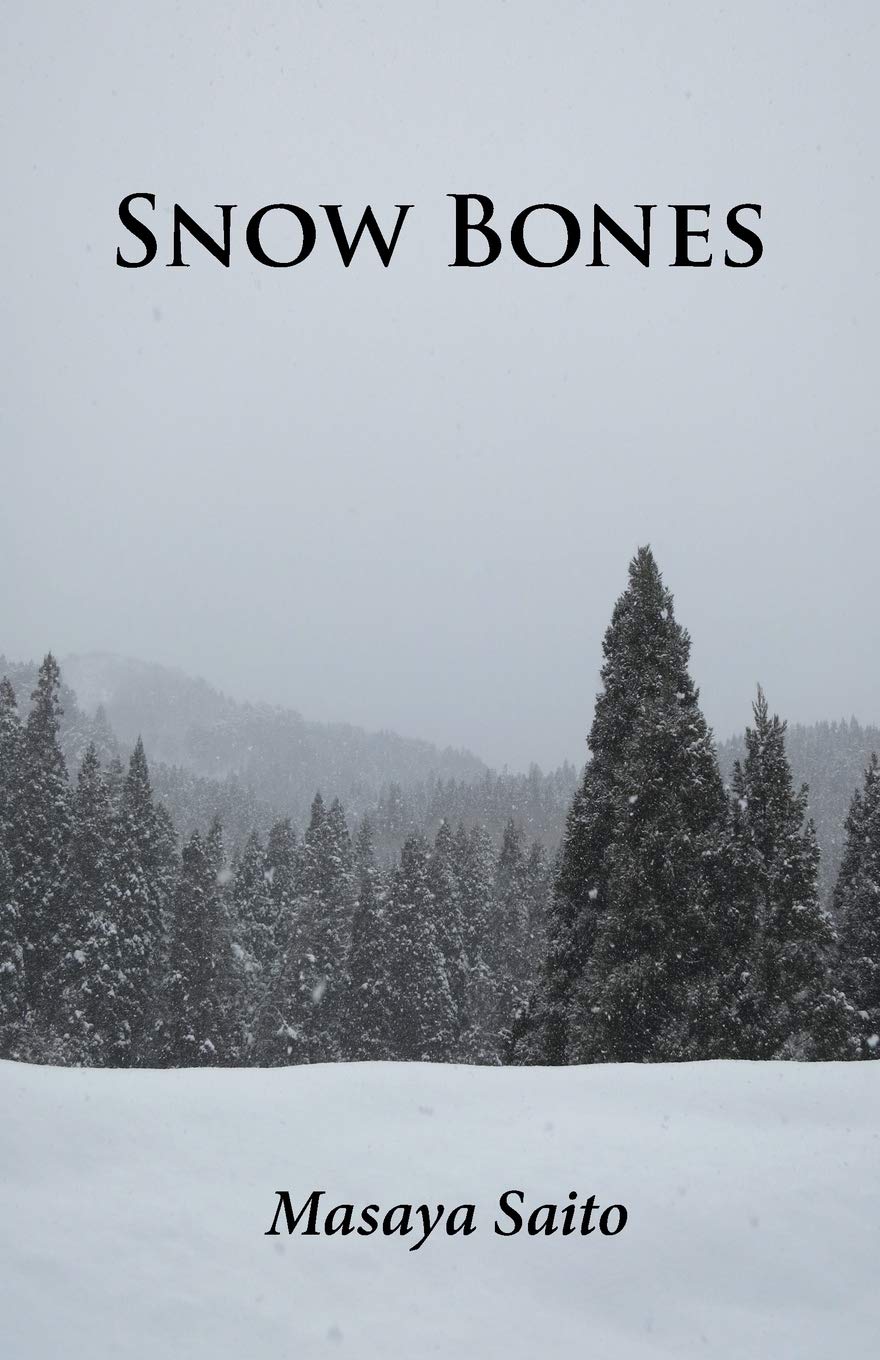 On the theme of ‘how poems come to be written’, today I’m posting images of a couple of the pages from my notebook of the time. You’ll see phrases and images which made it through to the final poems. As can perhaps be seen from the scribbles, what I had originally in mind was something close to the form of haiku. I’d been reading and admiring Masaya Saito’s book of haiku called Snow Bones. This had just been published in 2016 by Paul Rossiter’s Isobar Press (I think maybe I’d bought the book at the Poetry Book Fair that year). Snow Bones consist of four narrative haiku sequences, spoken by several different voices. Saito writes in both English and Japanese (these poems are all in English). Two of these sequences focus on the death and funerals of parents and what I admired was the way in which the compression of the form allowed the poet to express the powerful emotions of love and grief. Between 2016-18, my mother and father were going through a decline in both mental and physical health, eventually moving into a care home, sadly both dying within 18 months of each other. So I had my own powerful feelings to deal with and one of the ways of coping was to try to write about these experiences.
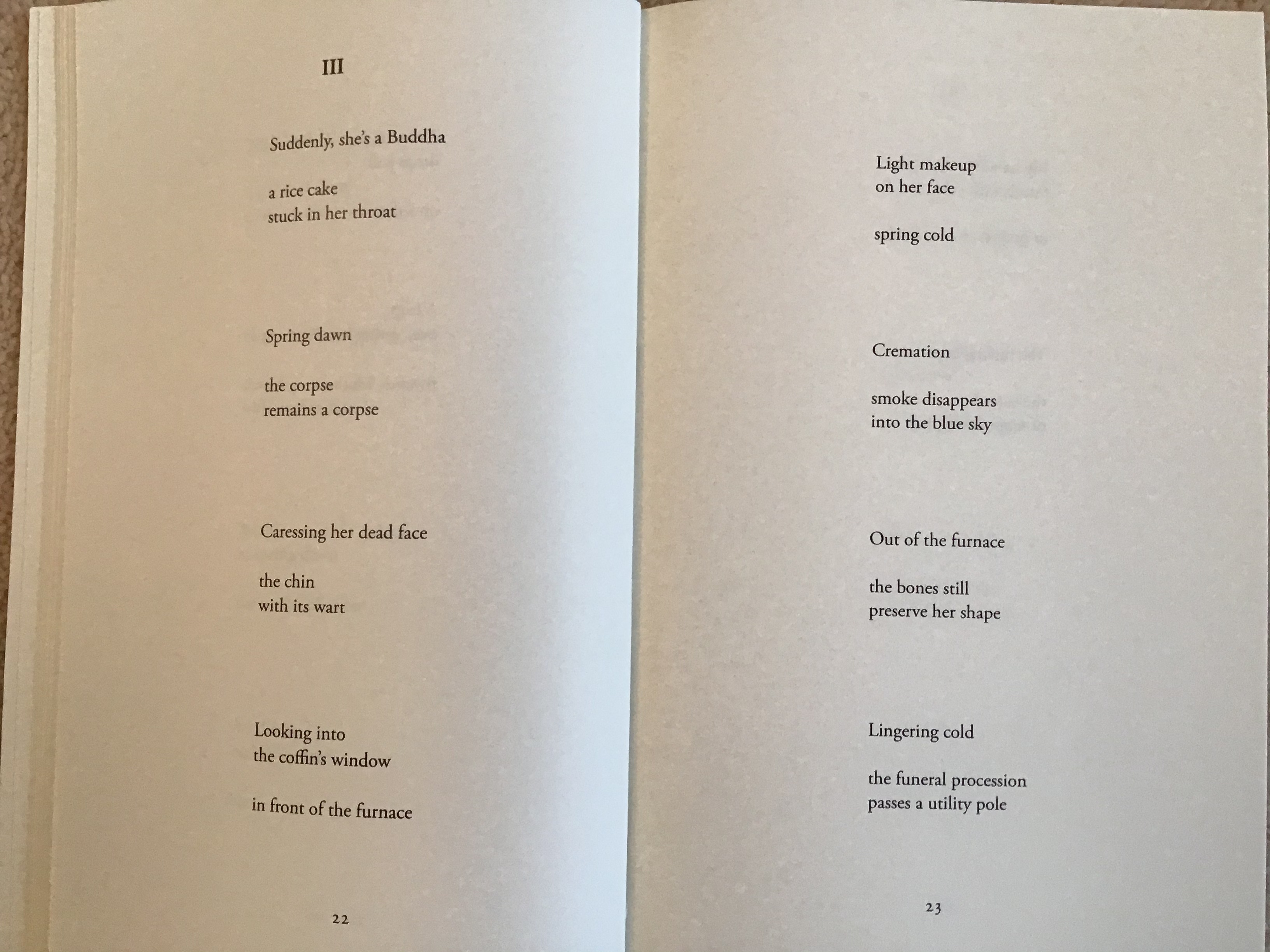
Here’s a couple of pages from Saito’s book. You’ll see he does not approach the haiku form in the rather rigid syllabic way that we often think of it. Also I liked the way in which – of the 3 lines – he always sets one off, either opening or closing. This creates drama and tension even within such a short space.
So then here’s a page from my notebook of the time – the crossings out indicate that I have used the text going forward. Initially I tried to maintain my hopes of a haiku sequence. I can see here phrases that made it into the final poem (in such a different form): the box of Quality Street chocolates, the days passing as at a level crossing, the introduction of a new care plan while they were still living at home. I remember taking a dozen or so of these haiku pieces to a writing workshop. The response was polite, even some enthusiasm, but I felt this was in part a response to the personal nature of the subject matter as much as to the success of the choices I’d made as a poet. (These are always very difficult moments in a workshop – depth of involvement on the writer’s part often makes more cool, critical observations hard to bring forward).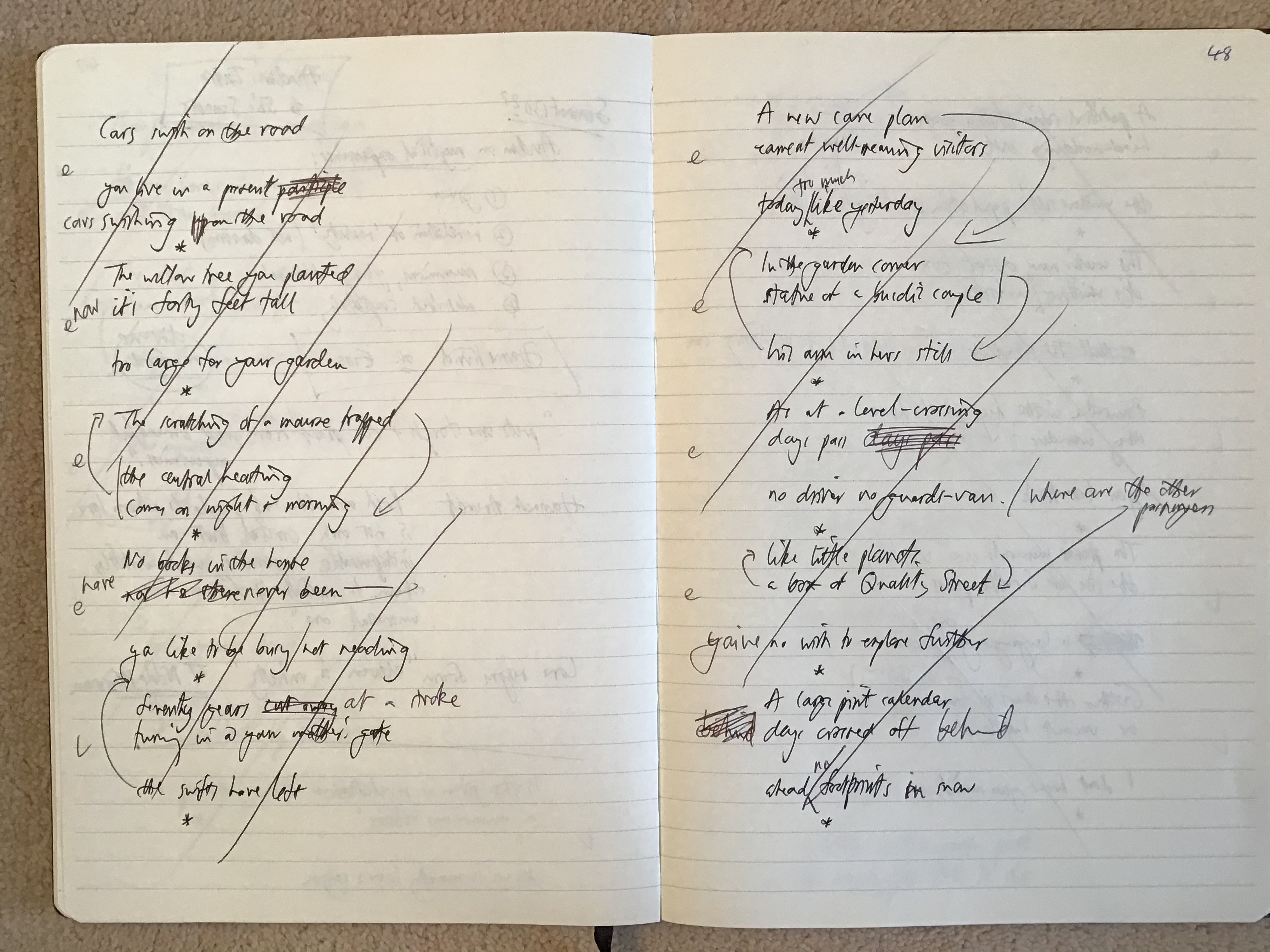 So I wasn’t sure. The texts stayed in another notebook. This is what happens (for me at least). I’d then often be browsing back through the notebook at those bits of text not yet crossed through as having been advanced to the next stage. I’m re-reading to see if there remains any life in these fragments left in limbo. I kept reading these haiku and thinking there was a lot of good writing, but they had certainly not found their right form.
Here’s another image of an original page.
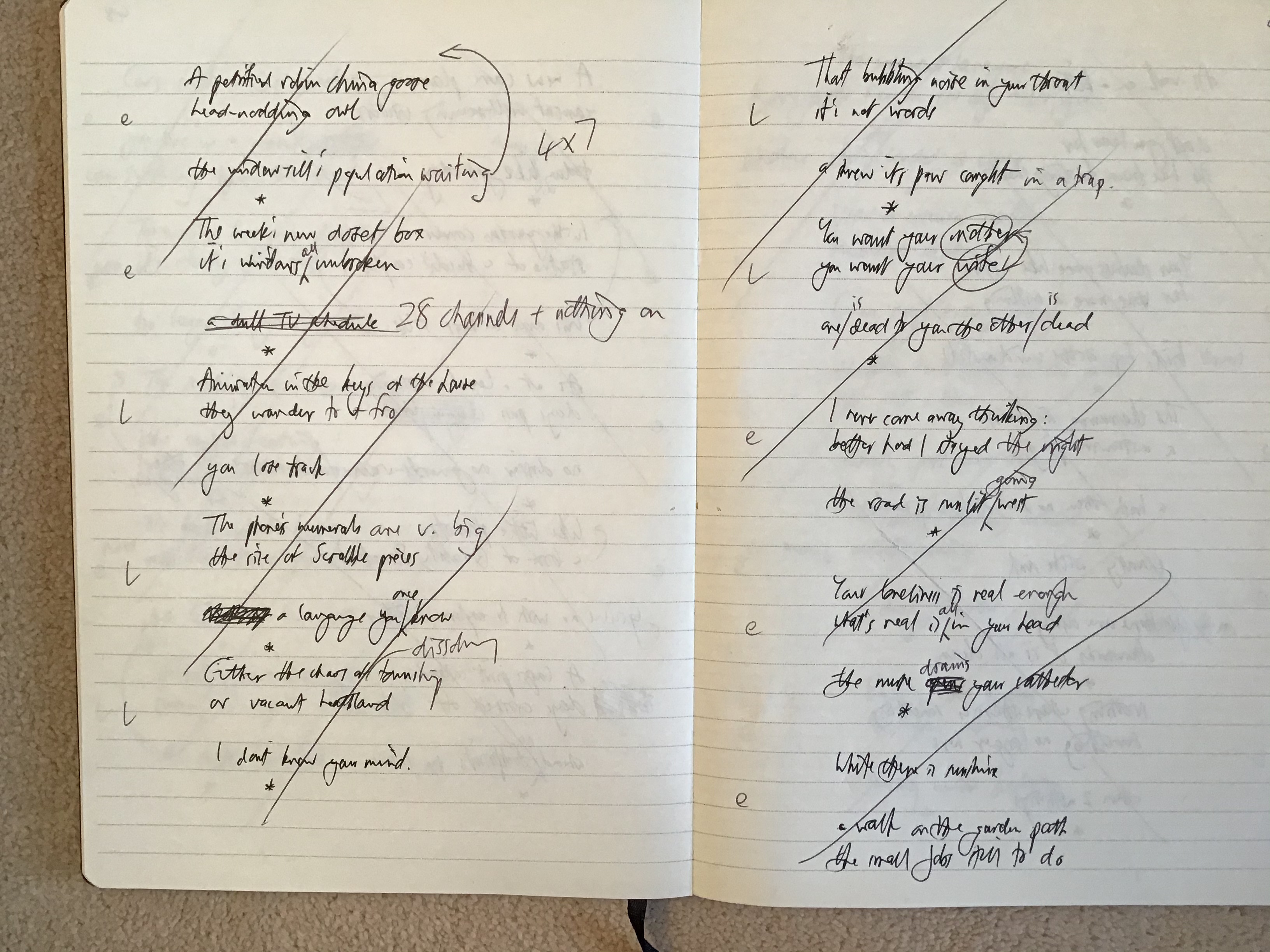 The fourth haiku here I still like:
The phone’s numerals are very big
the size of Scrabble pieces
a language you once knew
In the final poems, the image of a “language” re-emerges rather changed. The sixth haiku poem here has an image of “a shrew its paw caught in a trap” which is itself an echo of a line from the previous page (“The scratching of a mouse trapped”) – the relevance of these recurring images of entrapment is obvious given my parents were pretty well confined to their house by physical weakness and mental uncertainties. Such images surface in the final poems, in the first poem’s opening quatrain, as “a mouse’s paw caught in the trap”.
I don’t remember when the final choice about these poems was made – the one that decided an abecedary form would be appropriate. Those who have followed this blog for a few years will have heard me ruminating on this form before and on my discovery of it via Carolyn Forche. In rational terms, I felt the systematic coherence imposed on phrases by the alphabetical sequence would be effective in an ironic way because most of the fragmented material I had assembled spoke to an incoherence rooted in the way my parents were now living. Is it too much to say that I was hoping to piece things together for Mum and Dad in a way that they were unable to themselves? There are other (more conventional) poems about my parents in my most recent full collection, The Lovely Disciplines.
The re-shaping of the text worked (to my mind). Assembling something like this is a thrilling balance of chance (the sequence of the alphabet) and choice (the poet retains the right to trim and edit phrases). The title I’ve given the sequence comes from the last haiku in the first image above:
A large print calendar
days crossed off behind
ahead no footprints in the snow
I remember buying them a large print calendar so they could follow the days passing more easily. Often – but not always – they’d cross through the days passed. When we cleared the house eventually, the calendar was still hanging up, the crossed off days having stopped at a certain point; the future days left blank and pristine. The walls of the house have not been literally demolished. But it has been sold on to another family and so for me and my brothers the walls might as well have been demolished. The lives lived out there are gone, except for what we can remember (some of which can be written down).
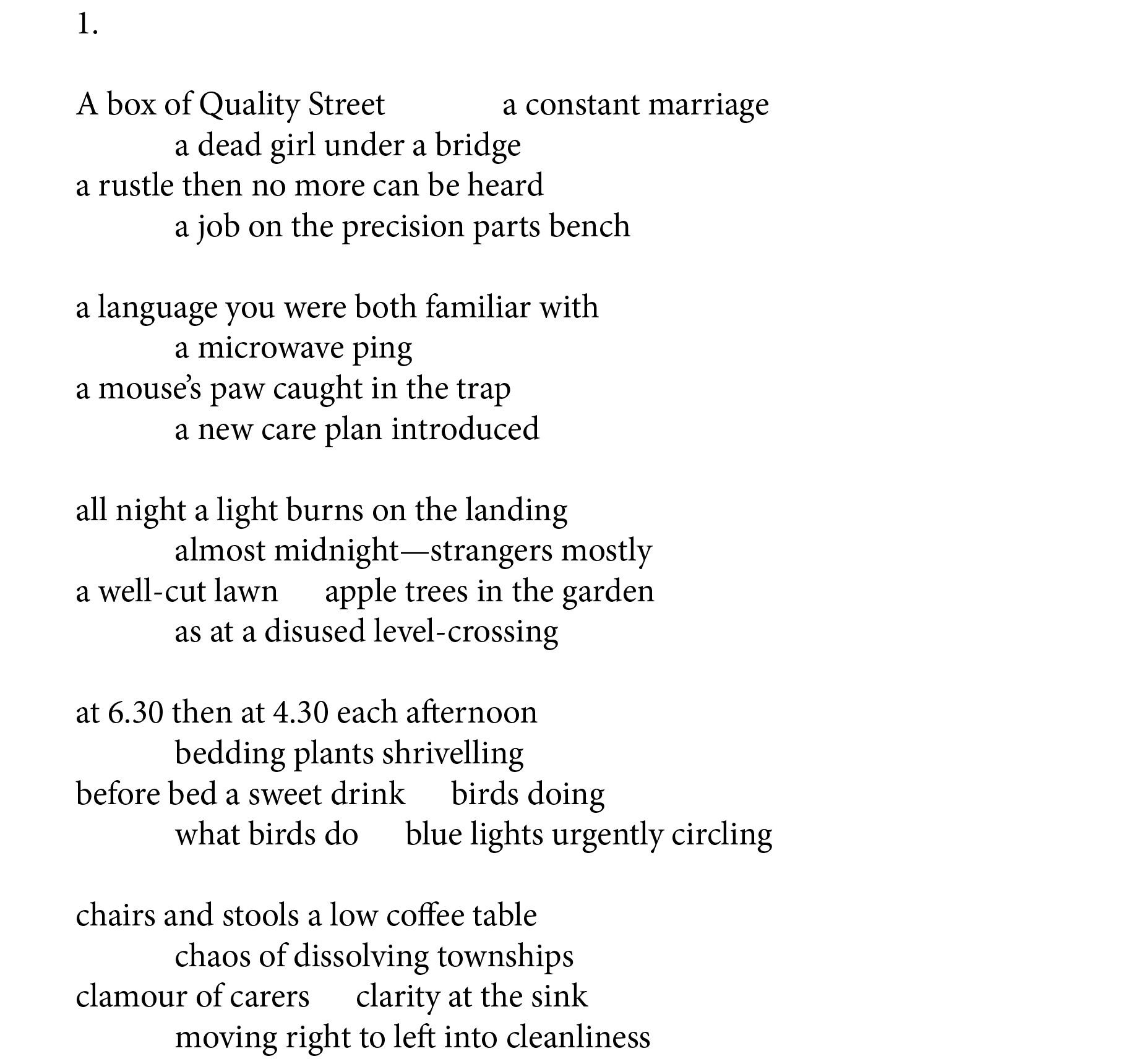
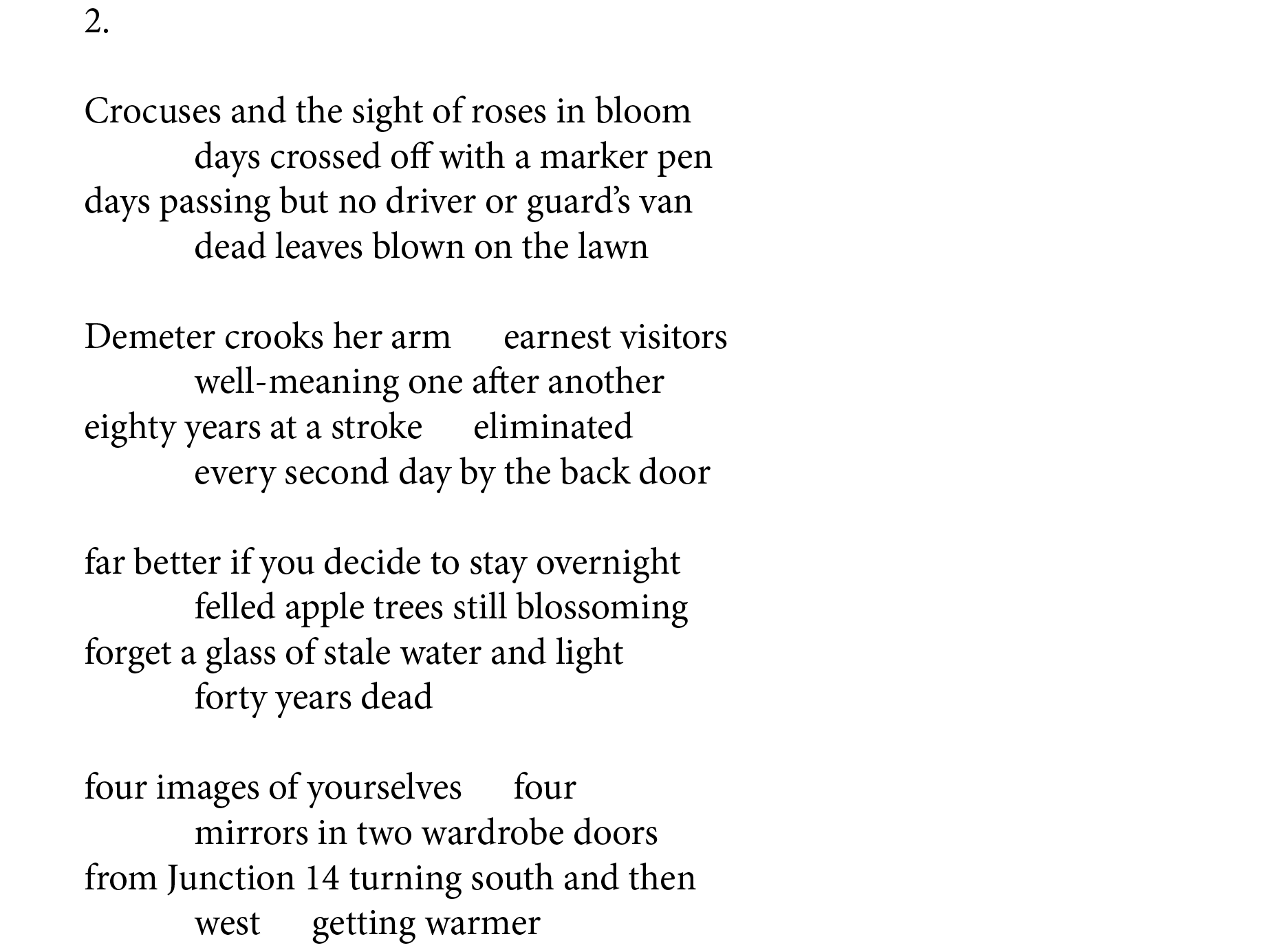
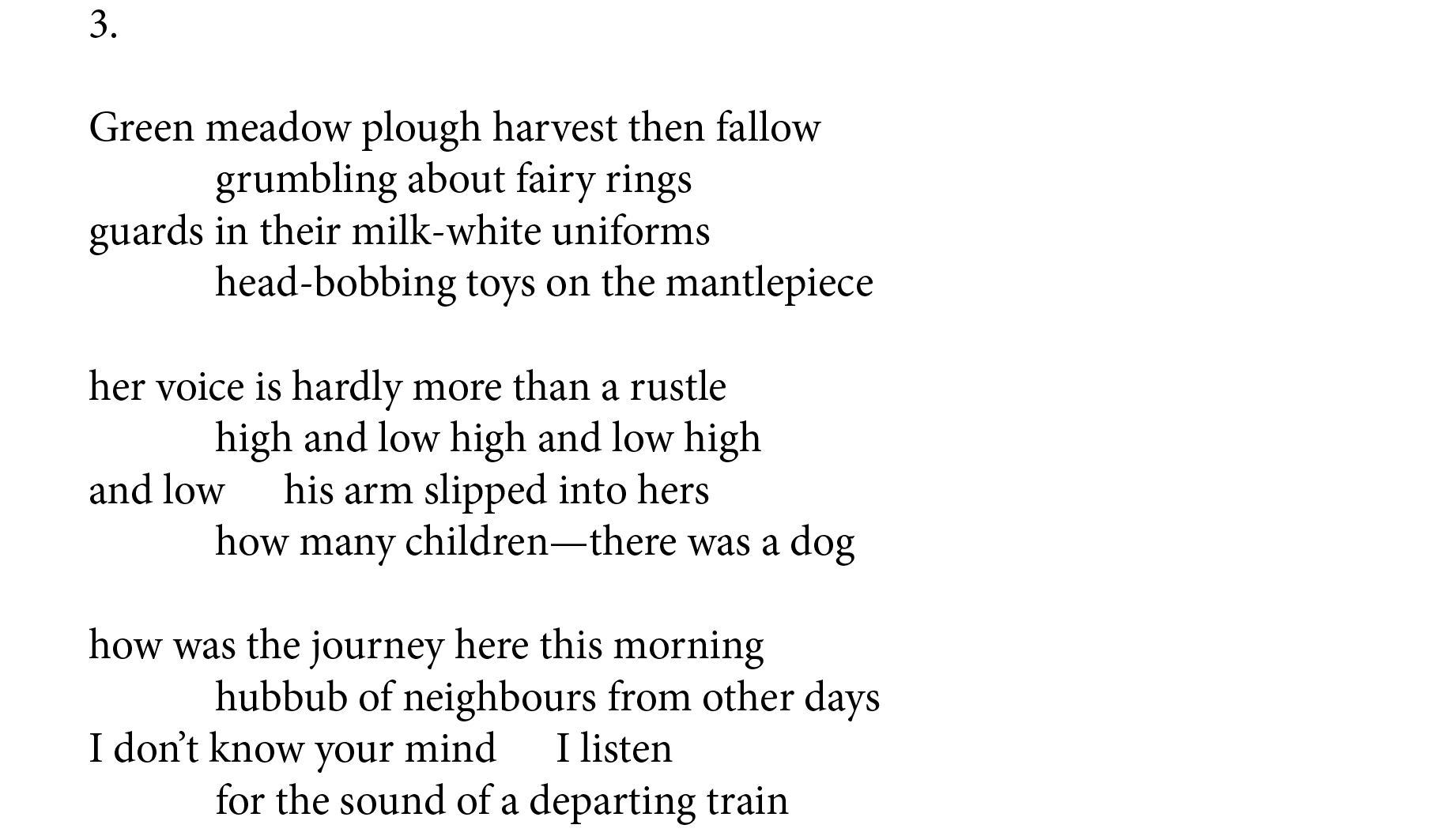
Here are the three poems in the sequence (from A to I) that have so far been published:
from Notes on a calendar (hung on a demolished wall)

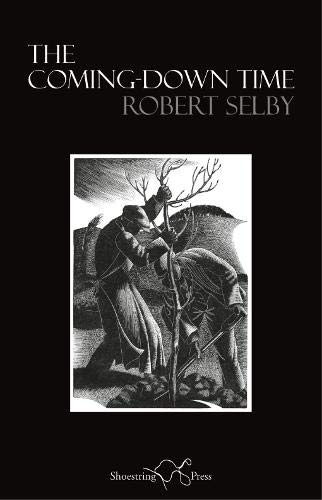 Robert Selby’s debut collection is fronted by a wood cut engraving by Clare Leighton, titled ‘Planting Trees’. Two flat-capped workmen labour to bed in a sapling. A wind-bent tree stands nearby; on the gusty skyline, at the top of a hill, a dark copse. It’s like something out of a Thomas Hardy poem, or an Edward Thomas one, and it’s well-chosen as these are the forebears The Coming-Down Time often explicitly acknowledges. Launched into a poetry world dominated by so many books addressing environmental, gender, race and identity issues, this collection (depending on your viewpoint) is either timeless or behind the times. Selby’s careful organisation of the poems makes it clear he knows what he’s doing and he will do it his way.

 Selby’s use of language and form is likewise pretty traditional. It’s not just a result of the subject matter that the book is frequented by words such as smithy, shire, lambkin, deer-stalker, and lush-toned phrases such as “blossom-moted”. The flip side of this is that details of 2020 UK are often treated with a distaste, an alienated distance. Later in the book, a friend returns from the dust and pollen of the English countryside into London: “its tagged shutters and sick-flecked stops, / its scaffolding like the lies / propping up your peeling hopes”. The friend is female and (I think) Canadian. Another poem’s narrator tries to persuade her that “[t]his is the real England [. . .] It’s a place of trees; of apple, pear, cherry and plum”. There is more to be said here about the meaning of ‘real’ and it’s hard to tell if the narrator’s invitation is meant to have a deathly ring to it. He asks, “Do you want to reset your watch to the toll of here?”
 The import of this question forms the emotional and dramatic context of the later poems in the collection which trace an on/off relationship. The narrator is left wondering: “I must wait for the needle / of your heart’s compass to unspin, / and see where it stops”. In reading that I’m reminded of Lea and – what seemed to be – her relative lack of choice in the earlier years of the twentieth century. There is a good deal of unalloyed nostalgia in The Coming-Down Time for an England of the mind, if it was ever part of any actual century. I find the female figures in the book suffer because of this: most of them do not achieve a specific, particular life in the poems. I’d like Selby to go on to explore the irony in two images: the masculine arms in “rolled up sleeves” that may or may not be “strong enough” and the closing lines just quoted, in which the desired woman bides her time, knowingly possessed of strength, of the agency of decision.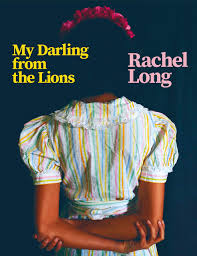
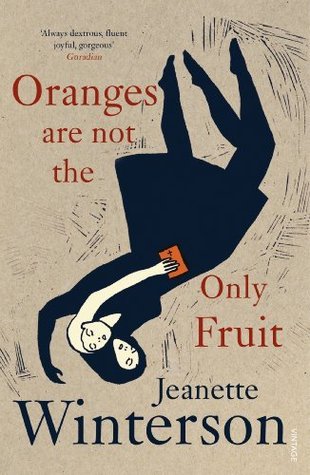





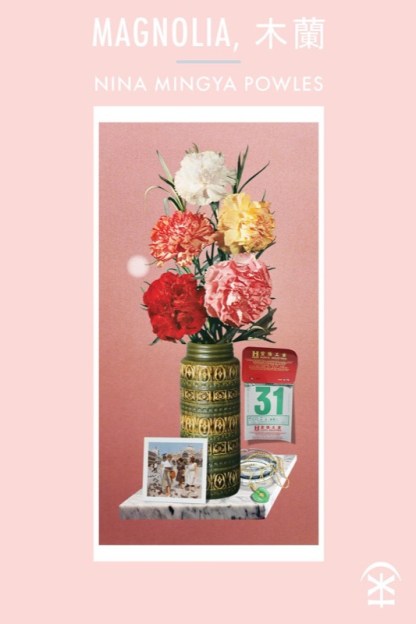 Nina Mingya Powles’ collection, Magnolia 木蘭, is an uneven book of great energy, of striking originality, but also of a great deal of borrowing. This is what good debut collections used to be like! I’m reminded of Glyn Maxwell’s disarming observation in On Poetry (Oberon Books, 2012) that he “had absolutely nothing to say till [he] was about thirty-four”. The originality of Magnolia 木蘭 is largely derived from Powles’ background and brief biographical journey. She is of mixed Malaysian-Chinese heritage, born and raised in New Zealand, spending a couple of years as a student in Shanghai and now living in the UK. Her subjects are language/s, exile and displacement, cultural loss/assimilation and identity. Shanghai is the setting for most of the poems here and behind them all loiter the shadows and models of
 I don’t think the intriguing glimpses of an individual young woman in this first poem are much developed in later ones. The Mulan figure makes a couple of other appearances in the book and is reprised in the concluding poem, ‘Magnolia, jade orchid, she-wolf’. This consists of even shorter prose observations. In Chinese, ‘mulan’ means magnolia so the fragments here cover the plant family Magnoliaceae, the film again, the Chinese characters for mulan, Shanghai moments, school days back in New Zealand and Adeline Yen Mah’s Chinese Cinderella. It’s hard not to think you are reading much the same poem, using similar techniques, though this one ends more strongly: “My mouth a river in full bloom”.
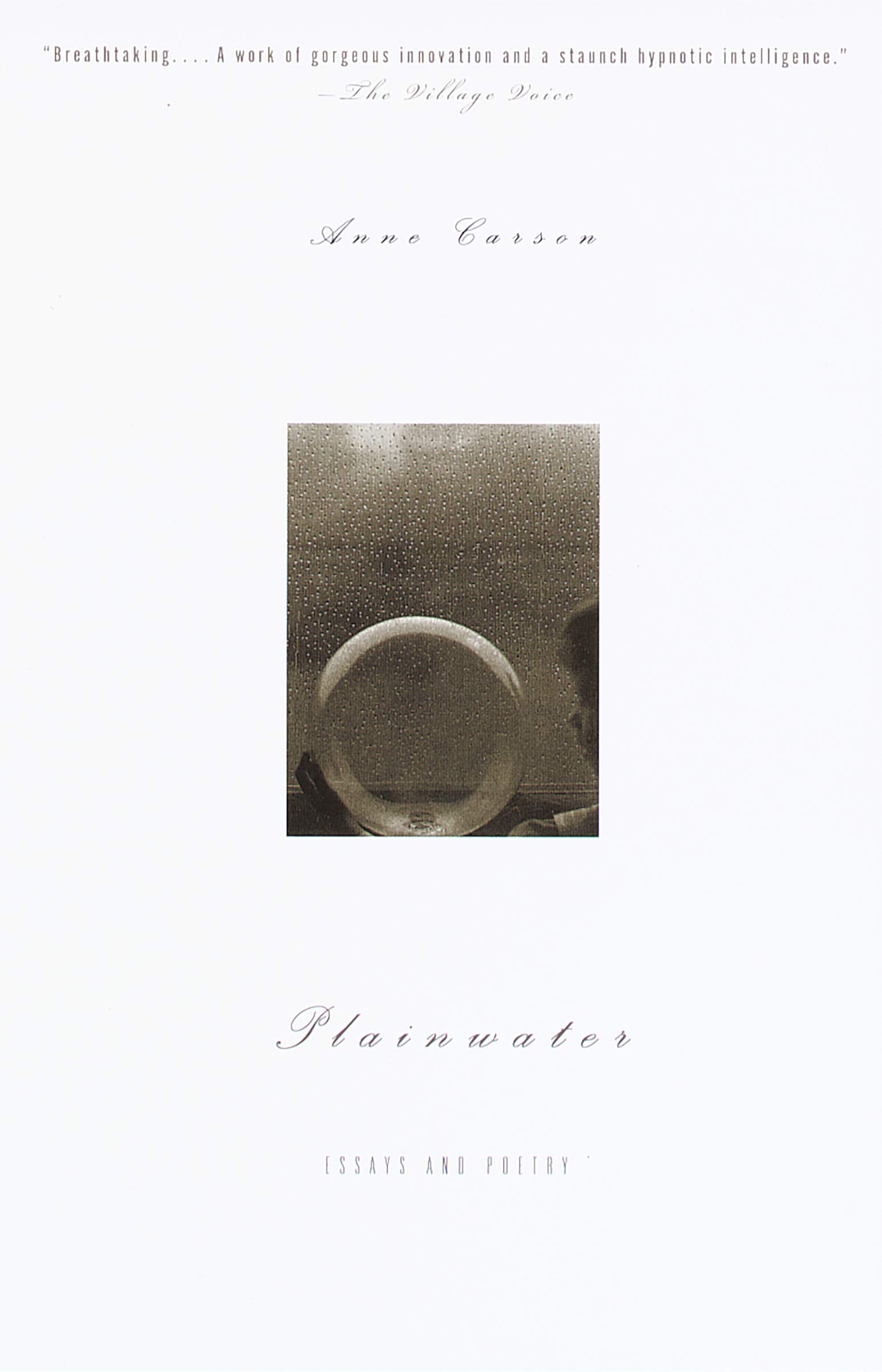 Unlike Carson’s use of fragmentary texts, Powles is less convincing and often gives the impression of casting around for links. This is intended to reflect a sense of rootlessness (cultural, racial, personal) but there is a willed quality to the composition. One of the things Powles does have to say (thinking again of Maxwell’s observation) is the doubting of what is dream and what is real. The prose piece, ‘Miyazaki bloom’, opens with this idea and the narrator’s sense of belonging “nowhere” is repeated. This is undoubtedly heartfelt – though students living in strange cities have often felt the same way. Powles also casts around for role models (beyond Mulan) and writes about the New Zealand poet, Robin Hyde and the great Chinese author Eileen Chang, both of whom resided in Shanghai for a time. ‘Falling City’ is a rather exhausting 32 section prose exploration of Chang’s residence, mixing academic observations, personal reminiscence and moments of fantasy to end (bathetically) with inspiration for Powles: “I sit down at one of the café tables and begin to write. It is the first day of spring”.
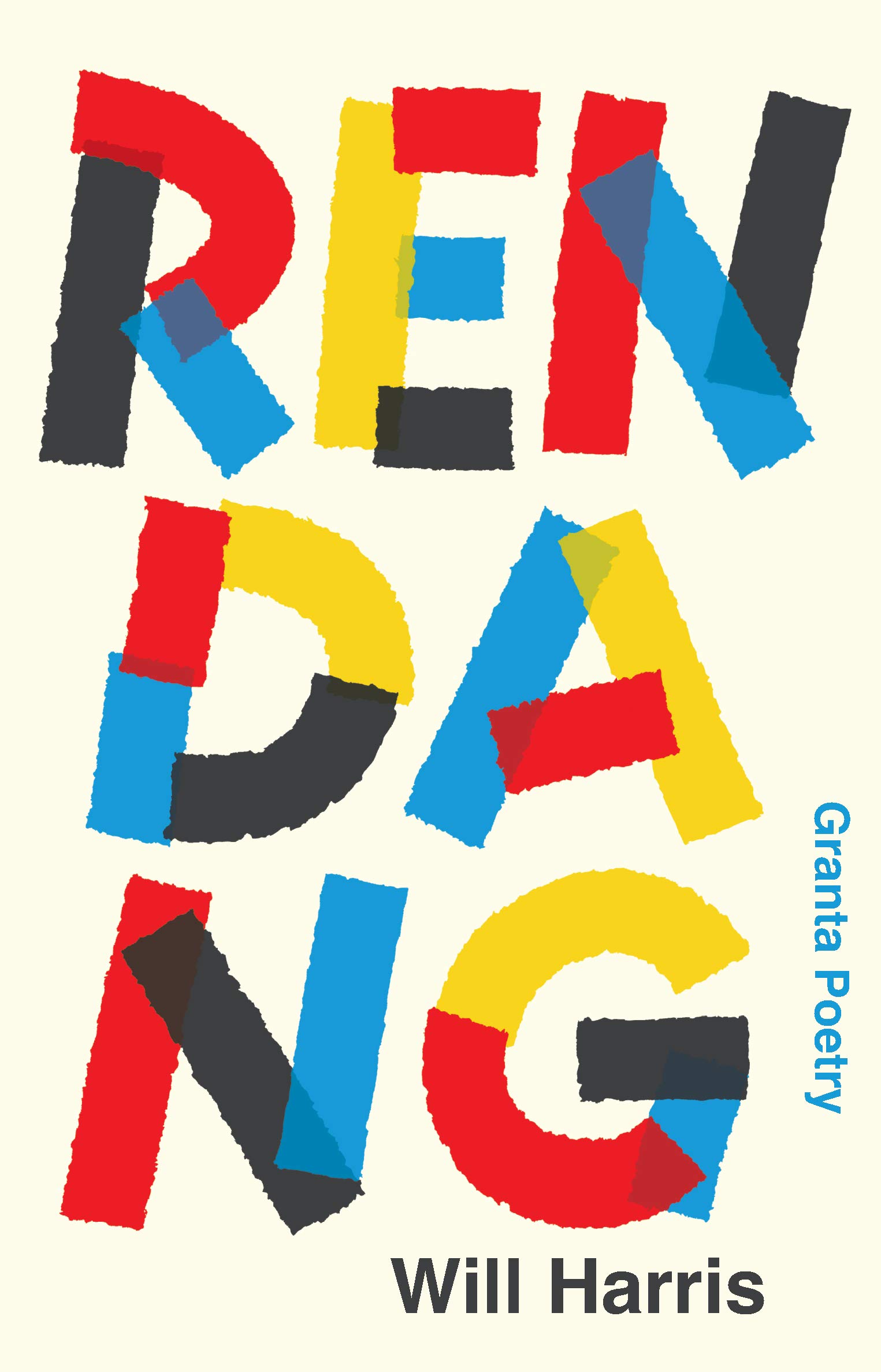 At the heart of Will Harris’ first collection is the near pun between ‘rendang’ and ‘rending’. The first term is a spicy meat dish, originating from West Sumatra, the country of Harris’ paternal grandmother, a dish traditionally served at ceremonial occasions to honour guests. In one of many self-reflexive moments, Harris imagines talking to the pages of his own book, saying “RENDANG”, but their response is, “No, no”. The dish perhaps represents a cultural and familial connectiveness that has long since been severed, subject to a process of rending, and the best poems here take this deracinated state as a given. They are voiced by a young, Anglo-Indonesian man, living in London and though there is a strong undertow of loss and distance, through techniques such as counterpoint, cataloguing and compilation, the impact of the book, if not exactly of sweetness, is of human contact and discourse, of warmth, of “something new” being made.
 This last phrase comes from ‘State-Building’, one of the more interesting, earlier poems in Rendang (a book which feels curiously hesitant and experimental in its first 42 pages, then bursts into full voice from its third section onwards). This poem characteristically draws very diverse topics together, starting from Derek Walcott’s observations on love (his image is of a broken vase which is all the stronger for having been reassembled). This thought leads to seeing a black figure vase in the British Museum which takes the poem (in a Keatsian moment, imagining what’s not represented there) to thoughts of “freeborn” men debating philosophy and propolis, or bee glue, metaphorically something that has to come “before – is crucial for – the building of a state”. The bees lead the narrator’s fluent thoughts to a humming bin bag, then a passing stranger who reminds the narrator of his grandmother and the familial connection takes him to his own father, at work repairing a vase, a process (like the poem we have just read) of assemblage using literal and metaphorical “putty, spit, glue” to bring forth, not sweetness, but in a slightly cloying rhyme, that “something new”.

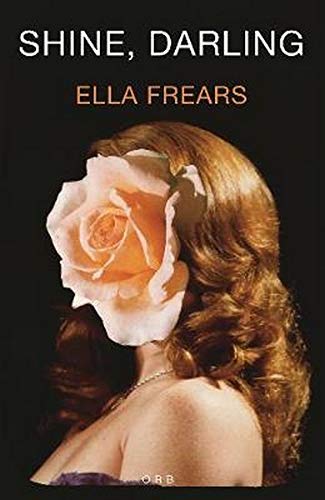 Ella Frears’ Shine, Darling is brimming with youthful exuberance and despair, yet not a jot lacking in thoughtful sophistication. Her subjects are boredom, sex, a woman’s body and the harassment that rushes to fill the void left by uncertain selfhood. A key poem is ‘The (Little) Death of the Author’, about a 13-year-old girl texting/sexting boys in her class, though the title is, of course, one Roland Barthes would have enjoyed. The narrator – looking back to her teen self – remembers pretending to be texting in the bath. The “triumph” is to make the boys think of herself naked (when she’s really eating dinner or doing homework). Hence “Text / and context are different things”. Her texts are careful constructions, evocative, alluring, full of tempting ellipses. On both sides, there is a filmic fictionalising going on (in the absence of any real sexual experience). The poem (which is a cleverly achieved irregularly lined sestina) ends with the authorial voice breaking cover: the poem itself is “a text I continue to send: Reader, I’m in the bath . . . / Nothing more to say than that. And if you like / you can join me”. The flirtation is a bit overdone (but other poems show Frears is wholly conscious of that) and the poem indicates one of this book’s chief concerns is with the difference between the truth of what happens and the truth of a poem.
 The obvious risk of such sexual adventuring is the subject of ‘Hayle Services (grease impregnated)’. The parenthetical allusion here is to Elizabeth Bishop’s ‘Filling Station’ where everything is “oil-soaked, oil-permeated [. . .] grease / impregnated”, a poem which concludes, against the odds of its grimy context, that “Somebody loves us all”. In contrast, Frears’ crappy, retail-dominated English motorway service station is (ironically) the stage for a pregnancy scare, a desperate search for a test kit in Boots and an anxious, “[p]issy” fumbling in the M&S toilet cubicle, then waiting for the “pink voila”. The headlong, impossible-to-focus, sordid anxiety here is brilliantly captured in the short, run-on lines. Frears also catches the young woman’s multiplicity of streams of consciousness, the scattershot: the potential father is present but soon forgotten, his reassurances dismissed, the pushy sales staff avoided in anger and embarrassment, the difficulty of urinating, the cringingly inappropriate joke-against-self in “et tu uterus”, the conventional moral judgement (“soiled / ruined spoiled”) and the final phone call to “Mamma, can you come pick me up?”

 And yet, poems in Shine, Darling do regularly turn to the moon for possible explanations of actions (‘Phases of the Moon / Things I Have Done’), for a witness if not for protection (‘Walking Home One Night’) and for directions (‘I Knew Which Direction’). The latter poem is a beautiful lyric opener to the book but is rather misleading. The repetition of the word “moonlight” seems to give an almost visionary access: “no longer a word but a colour and then a feeling / and then the thing itself”. It is curious that a poet asserts the transparency of language in this way (Frears is not much concerned with the nature, limits and impositions of language, unlike Nina Mingya Powles’ shortlisted Magnolia 木蘭), but also the idea of such an untrammelled access to “the thing itself” is countered by every poem that follows. Frears’ world view may not be too much troubled by words but the very idea of a unitary truth to be beheld with clarity is profoundly doubted.
 Some films stick in the mind for reasons beyond the cinematic, don’t they? In the 2003 comedy Bruce Almighty, Jim Carey plays the character of God and, along with more obviously useful powers, he has to respond to the prayers of the world. But people are always praying! He rapidly approaches a kind of madness as voices swim around him, clamouring for attention. He takes to reading the prayers in the form of e-mails. He tries to answer them individually but is receiving them faster than he can possibly respond. He decides to set his e-mail account to automatically answer “yes” to all, assuming that this will make everybody happy. Of course, it does not.

 Perhaps one explanation of why the question ‘what is poetry?’ is so difficult to answer is because it is, to a large extent, an art of the negative, of avoidance.

 Martyn Crucefix