As in the previous four years, I am posting – over the summer – my reviews of the 5 collections chosen for the Forward Prizes Felix Dennis award for best First Collection. This year’s £5000 prize will be decided on Sunday 20th October 2019. Click on this link to access all 5 of my reviews of the 2018 shortlisted books (eventual winner Phoebe Power), here for my reviews of the 2017 shortlisted books (eventual winner Ocean Vuong), here for my reviews of the 2016 shortlisted books (eventual winner Tiphanie Yanique), here for my reviews of the 2015 shortlisted books (eventual winner Mona Arshi).
The full 2019 shortlist is:
Raymond Antrobus – The Perseverance (Penned in the Margins) – reviewed here.
Jay Bernard – Surge (Chatto & Windus) – reviewed here.
David Cain – Truth Street (Smokestack Books) – reviewed here.
Isabel Galleymore – Significant Other (Carcanet) – reviewed here.
Stephen Sexton – If All the World and Love Were Young (Penguin Books)

This year’s Forward First Collection shortlist is astonishingly good but, for its cleverness, its ambition and coherence, its technical mastery and above all for its vulnerability in dealing with the eternal themes of childhood, love and loss, death, time and memory, I hope Stephen Sexton’s book wins the award in October. It’s a curious read in some ways – superficially fast and easy, its technical brilliance well hidden, its narrative quite buried though not really hard to trace, its emotional heft at times blunt and utterly naked, at others complex and many-layered.
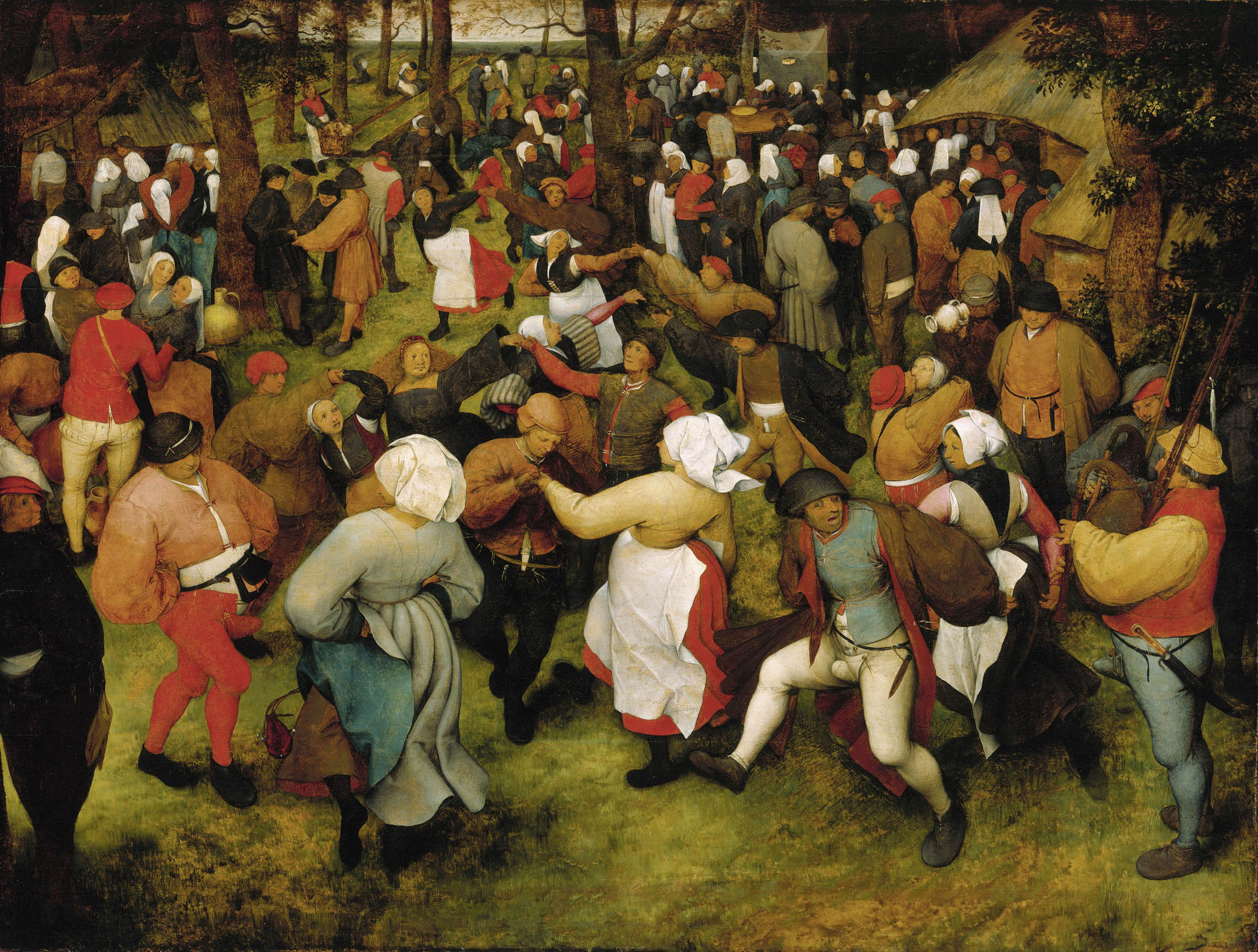
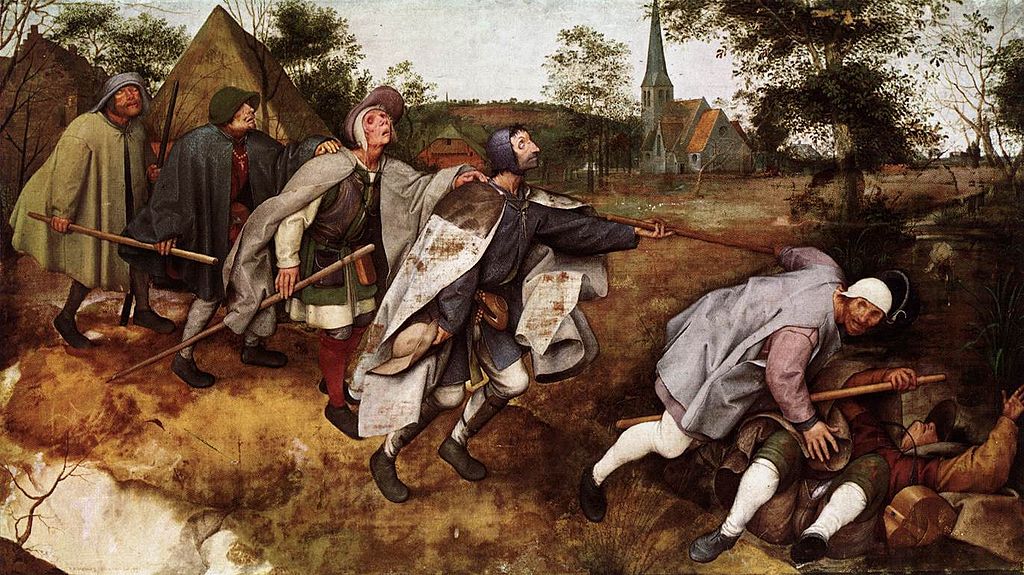
Halfway through the book, in ‘Forest of Illusion 2’, Sexton recalls fishing for rainbow trout with some success. The bait is taken and “with a flick / of the wrist [he] hoisted the fish from one world and into the next”. It’s this kind of transition that is the subject of the whole book though the direction of travel is clearer in the recurrent images of young Icarus. The boy who thought he could fly near the sun (filtered through Breughel and then through Auden) is aptly evoked in this poetic bildungsroman of a boy struggling with the traumatic transition from innocence to experience.
The book’s title is the opening line of Sir Walter Ralegh’s ‘The Nymph’s Reply to the Shepherd’ in which the Nymph rejects her suitor’s optimistically seductive blandishments:
Thy gowns, thy shoes, thy beds of Roses,
Thy cap, thy kirtle, and thy posies
Soon break, soon wither, soon forgotten:
In folly ripe, in reason rotten.
But Sexton’s particular withering is not one of romantic love but the loss of a mother to cancer and by the end of the book, the wriggle room implied by Ralegh’s opening word, ‘If’, is significantly altered to the much more brutal ‘when’. This is no hypothetical idyll but an actual, remembered one and the loss of it is unavoidable. The post-conclusion, coda-poem, ‘Yoshi’s House’, turns upon the reader with a compassionate yet clear warning: “some day dear friend [you will find] my sad head upon on your shoulders” (sic).
 Sexton has written a genuine, contemporary long poem (not a long assemblage of lyrics). His lines are 16 syllables in length throughout, yielding a prosy, chatty, fluid sort of voice which avoids the risk of drag by keeping the reader on our toes by a relative absence of punctuation and a penchant for eliding two thoughts or images together in one single line. This generates occasional moments of misreading, but it is also the technical reflection of Sexton’s focus on the translation of innocence into the darkening of experience. The heard voice is quick, erudite and briskly allusive; despite being mostly in the present tense, it is not wholly the naïve voice of the child. The other aspect of the whole poem this fluid transitioning relates to is the exploration of the child’s obsession with the fantasy world of his computer games and the way he must slide from one world (on a screen) to the one we call ‘real’.
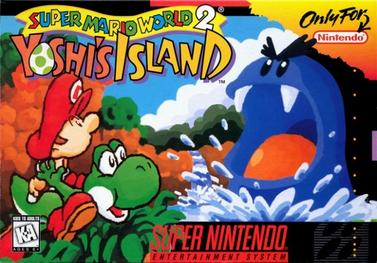
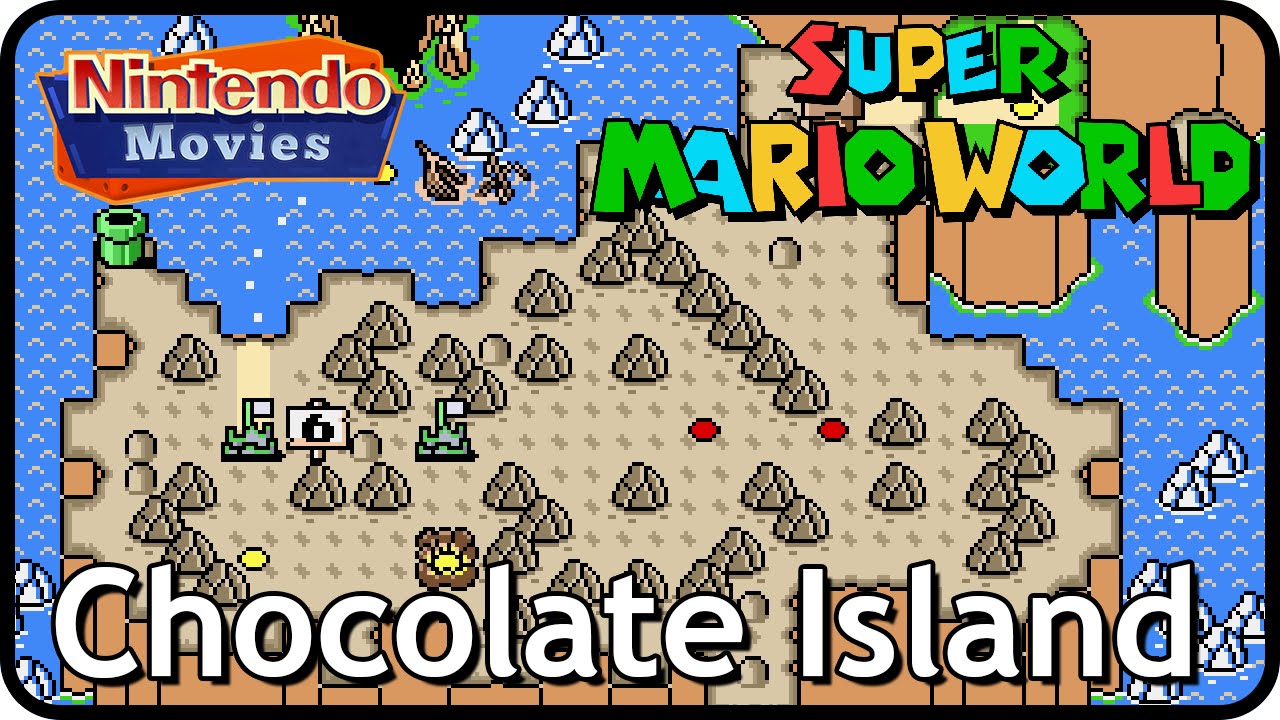
The computer games are specifically the Nintendo games of the 1990s which give the sections their odd names – Yoshi’s Island, Donut Plains, Vanilla Dome, Valley of Bowser – and account for individual poems’ titles, some of which I have already referred to. The games may be out of date but Sexton’s evident knowledge of them (love of them) means part of the originality of this book is they are fully integrated into the composition of the poems and raise questions about how absorbing such fantasy worlds can be and how the facts of reality are to be negotiated and reconciled successfully (perhaps, particularly by boys who seem so drawn to the former and so easily in denial about the latter).
Sexton’s own story is given in a Note and the poem called ‘Yoshi’s Island 1’. In the summer of 1998, his mother took a photograph of him, back to the camera, squatting before a TV, the family garden just glimpsed out of a window to the left. Here already, the screen world and the outside world through the window are juxtaposed. The boy is keener on the former:
Here spotted mountain and cirrus here sloping plateaux drawn down
carnivorous plants and no sun gold by the cherish underground
fly agaric throbs everywhere with fire plants and dinosaurs.
The vivid, colourful, playful and safe fantasy worlds of Nintendo – its caricatures, its rules – is one of escape:
On Kappa Mountain past the great lake circumscribed with goldenrod
the abandoned palace is full of treasure glowing underground
in granaries and arsenals and economy of losses
and gains the beloved is gone but there is always the story.
The man looking back at his younger self passes judgement: “one of the worlds I live in is as shallow as a pane of glass”. But this shallowness is immediately challenged when the child is told of his mother’s illness, of “cells which split and glitch”. The following poem has thoughts of his (real) father interrupting (if only for one line) in his screen time:
. . . for the first time in some time I thought of our father at home
the Sirocco in from the south turtle doves in the huge wheat fields
‘#1 Iggy’s Castle’ suggests the same thing: in the midst of oceans of lava, fantastical islands and cartoonish incinerations, the boy hears his mother moving about the house, a woman in real pain, “whose feet whose toes / whose hands whose fingers whose ankles whose head she says are on fire”.
 Within 20 pages or so, a poem appears which resides wholly in the ‘real’ world of a family visit to the Ulster Hospital and a visit to McDonald’s since his mother “has lost her sense of taste”. The narrative suggests there follows a period of respite. The doctors – in the boy’s mind they come and go as wizard-like Merlins “in blue scrubs” – remove the cancer. Though back at home his mother remains weak and unsteady so the boy concocts a “mess in a tray” for the school bake sale. In awkward self-defence, he acknowledges, “No one is going to like this [. . .] but I have done my best”. His observation obviously has a far wider application in the circumstances, and one of Sexton’s great achievements in the poem – in amongst the allusiveness and technical skill – is to be as open and vulnerable as this. In ‘#5 Roy’s Castle’ he recalls his mother working “her old-fashioned Singer”. Roy Orbison is on the radio. She is making curtains for the room “she’ll in future return to” when she has become ill. The way time collapses in on itself in such a Wordsworthian ‘spot of time’, the way in which “Time present and time past / Are both perhaps present in time future”, is expressed with devastating simplicity: “the sewing machine ticks so fast these small years go by in minutes”.
 But the cancer has returned. ‘Choco-Ghost House’ is unique in that we hear Sexton’s mother’s voice, nervously complaining of a “pain in my side like a bird in a holly tree”. Her son, still half inhabiting his fantasy world of wizards and exotic settings, is perhaps now starting to use that experience to get a handle on what is really happening. The doctor – now a “Hippocrates” figure – is described as going about “the magic task / of grinding down a rhino’s horn to infuse with ground down rubies”. Even these sorts of quasi-defensive imaginings are eventually dropped and the bald reportage of a last hospital bedside conversation between mother and child is almost too painful to read. The long syllabic lines here have room for the hesitations and repetitions of such emotionally-charged moments without any ironic distancing:
It’s me I’m here is what I say but I am not since she is not.
Then she says I want to go home once more for one once more one night
and I say you can’t go home now she says I know not now after.

The sequence ends with the longest poem in the book – still barely the length of a page – which recounts the mother’s return home in her coffin. Even here the young boy blurs the arrival of the “wood panelled box” with the arrival of the “sharp-cornered TV” before which he has so often squatted to play his Nintendo games. Penguin’s blurb talks of the poem ultimately suggesting “the necessity of the unreal” but actually we see the child fighting his way free of it. Halfway through this final poem, the revelation comes in a fluid, unpunctuated instant: “I felt my head turn into stone no it wasn’t the old TV”. It’s in this poem that Sexton alludes to the title of his book. Hedged around with the necessary qualifications imposed by the passage of years, by the unreliability of human memory, the cloaking device of powerful emotion, he recalls a childhood safe and secure in the light of his mother’s presence, the flashlight of her camera behind him, before him the vibrant, simple colours of Nintendo:
[. . .] her voice moves around the edge of the world and now I think I
remember what I mean to say which is only to say that once
when all the world and love was young I saw it beautiful glowing
once in the corner of the room once I was sitting in its light.
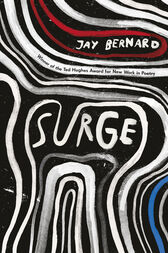
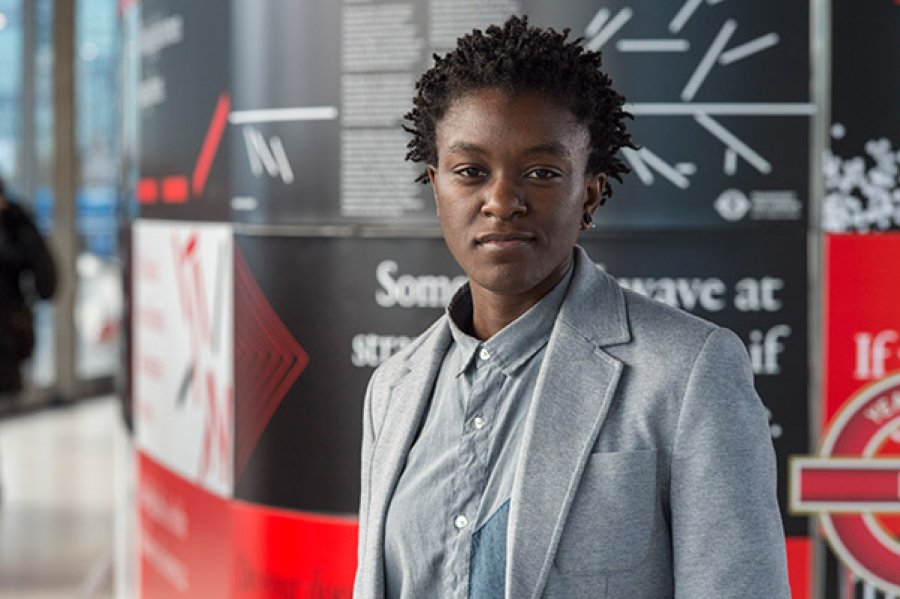
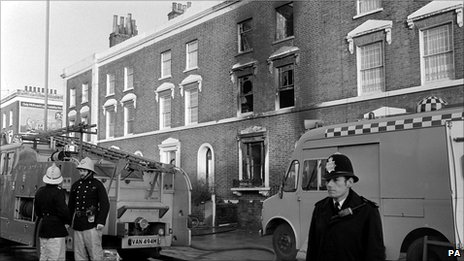 But Surge itself has since gone through various forms. There were 10 original poems written quickly in 2016. There was a performance piece (at London’s Roundhouse) in the summer of 2017 (it was this version that won the Ted Hughes Award for New Work in poetry in 2017). But it has taken 3 years for this Chatto book to be finalised. In an interview just last year, Bernard observed that they were still unclear what the “final structure” of the material would be. I’m possessed of no insider knowledge on this, but it looks as if this “final” version took some considerable effort – reading it makes me conscious of the strait-jacket that a conventional slim volume of poetry imposes – and I’m not sure the finalised 50-odd pages of the collection really act as the best foil for what are, without doubt, a series of stunningly powerful poems. The blurb and publicity present the book (as publishers so often do) as wholly focused on the New Cross and Grenfell fires but this isn’t really true and something is lost in including the more miscellaneous pieces, particularly towards the end of the book.
 Bernard’s poetic voice is at its best when making full use of the licence of free forms, broken grammar, infrequent punctuation, the colloquial voice and often incantatory patois. So a voice in ‘Harbour’ wanders across the page, hesitantly, uncertainly, till images of heat, choking and breaking glass make it clear this is someone caught in the New Cross Fire. Another voice in ‘Clearing’ watches, in the aftermath of the blaze, as an officer collect body parts (including the voice’s own body): “from the bag I watch his face turn away”. The cryptically titled ‘+’ and ‘–’ shift to broken, dialogic prose as a father is asked to identify his dead son through the clothes he was wearing. Then the son’s voice cries out for and watches his father come to the morgue to identify his body. This skilful voice throwing is a vivid way of portraying a variety of individuals and their grief. ‘Kitchen’ offers a calmer voice re-visiting her mother’s house, the details and familiarity evoking simple things that have been lost in the death of the child:
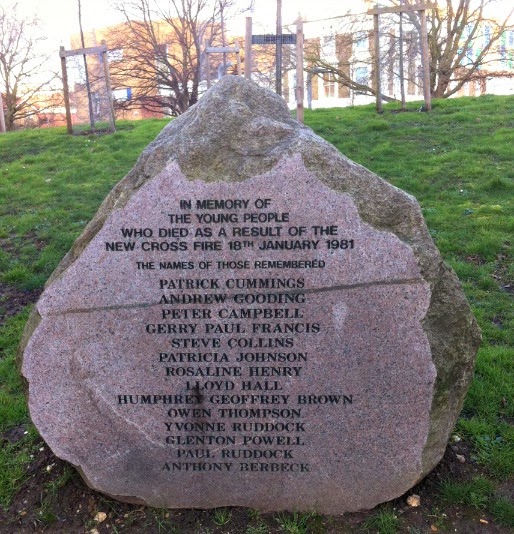
 I’m guessing most of the poems I have referred to so far come from the early work of 2016. Other really strong pieces focus on events after the Fire itself. ‘Duppy’ is a sustained description – information slowly drip-fed – of a funeral or memorial meeting and it again becomes clear that the narrative voice is one of the dead: “No-one will tell me what happened to my body”. The title of the poem is a Jamaican word of African origin meaning spirit or ghost. ‘Stone’ is perhaps a rare recurrence of the author’s more autobiographical voice and in its scattered form and absence of punctuation reveals a tactful and beautiful lyrical gift as the narrator visits Fordham Park to sit beside the New Cross Fire’s memorial stone. ‘Songbook II’ is another chanted, hypnotic tribute to one of the mothers of the dead and is probably one of the poems Ali Smith is thinking of when she associates Bernard’s work with that of W.H. Auden.
 But when the device of haunting and haunted voices is abandoned, Bernard’s work drifts quickly towards the literal and succumbs to the pressure to record events and places (the downside of the archival instinct). A tribute to Naomi Hersi, a black trans-woman found murdered in 2018, sadly doesn’t get much beyond plain location, a kind of reportage and admission that it is difficult to articulate feelings (‘Pem-People’). There are interesting pieces which read as autobiography – a childhood holiday in Jamaica, joining a Pride march, a sexual encounter in Camberwell, but on their own behalf Bernard seems curiously to have lost their eagle eye for the selection of telling details and tone and tension flatten out:
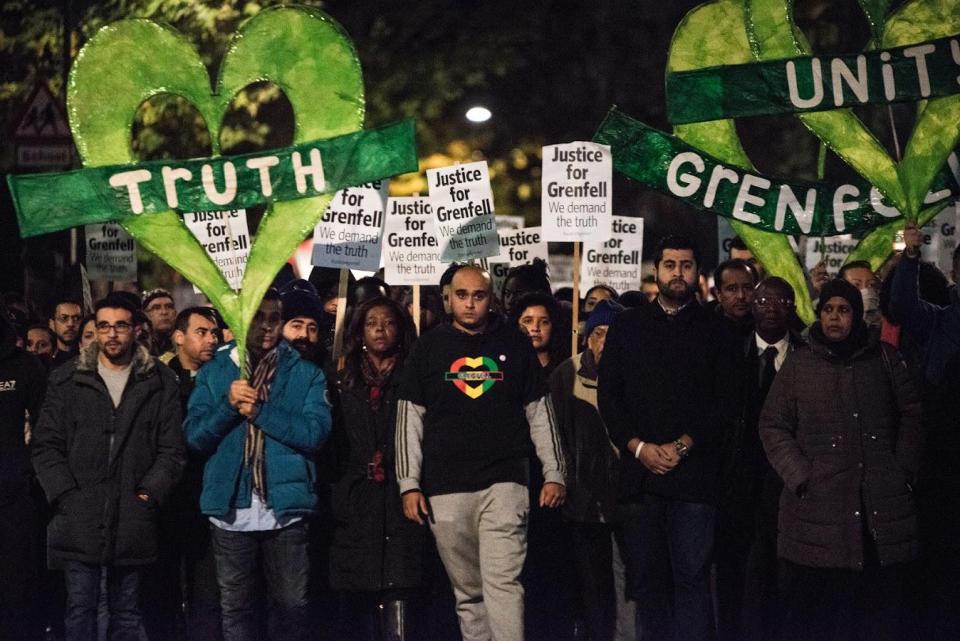 The mirroring architectonic of the collection emerges with the poems written about the Grenfell Tower fire. So we have ‘Ark II’, two pools of prose broken by slashes which seem to be fed by too many tributary streams: the silent marches in Ladbroke grove, the Michael Smithyman murder and abandoned investigation, Smithyman’s transition to Michelle, and the burning of the Grenfell Tower effigy, the video of which emerged in 2018.
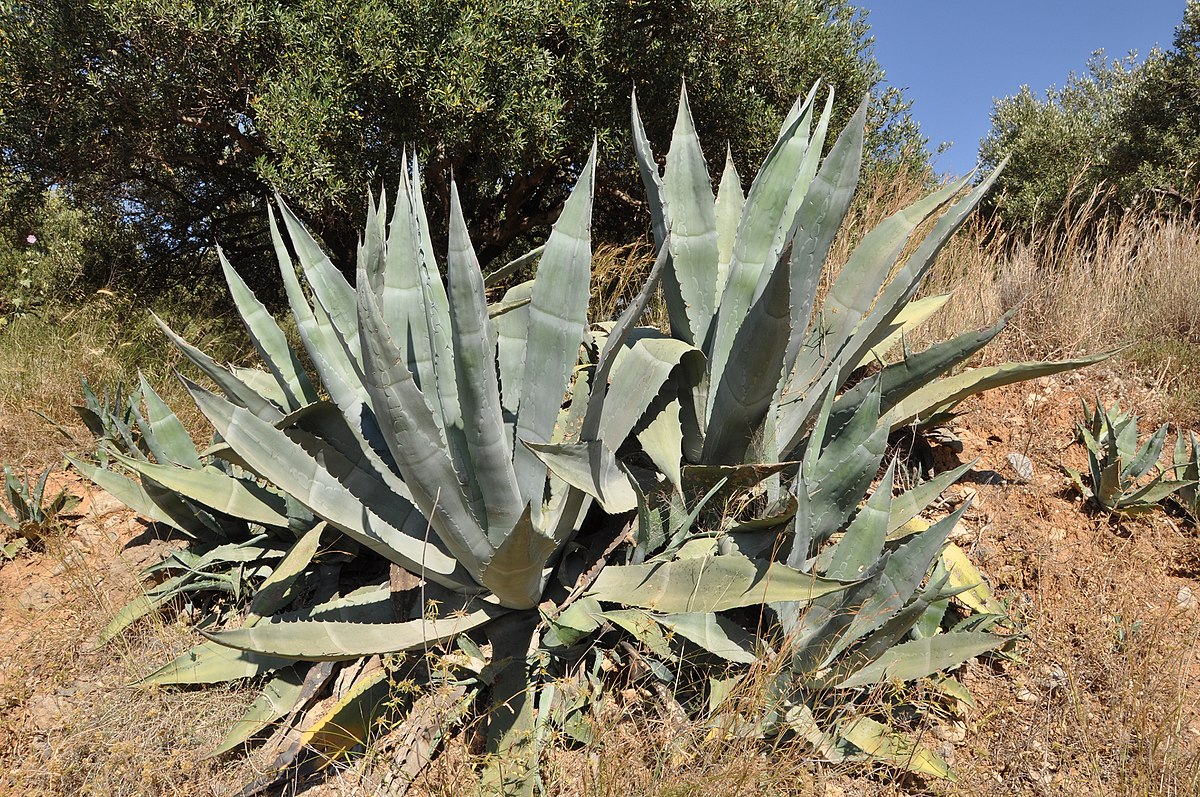 The next section of the poem displays some of Lorca’s startling, surprising images: the “stars of frost”, the “fish of shadows”, the fig-tree’s “sandpaper branches”, the mountain is a “a thieving cat” that “bristles its sour agaves”. These are good examples of Lorca’s technique with metaphor: to place together two things which had always been considered as belonging to two different worlds, and in that fusion and shock to give them both a new reality. But these lines are perhaps really more about raising the narrative tensions in the poem through rhetorical questions such as, “But who will come? And where from?”
 So up they climb. We don’t know why, but the atmosphere here is dripping with ill omen: they are “leaving a trail of blood, / leaving a trail of tears”. Then there is another of Lorca’s images yoking together unlikely items. As they climb to the roof-tiles, there is a trembling or quivering of “tiny tin-plate lanterns” and perhaps it’s this that becomes the sound of a “thousand crystal tambourines / [that] wound the break of day”. Lorca himself chose this image to comment on in his talk. He says if you ask why he wrote it he would tell you: “I saw them, in the hands of angels and trees, but I will not be able to say more; certainly I cannot explain their meaning”. I hear Andre Breton there, or Dali refusing to ‘explain’ the images of the truly surreal work. In each case the interpretative labour is handed over to us.
 Did they know this? It appears not. But who is she? Daughter? Lover? Both? Is this really what the two men find there? For sure, there is some mystery about the chronology because the seeming explanation of the killing is couched as a flashback: “The dark night grew intimate / as a cramped little square. / Drunken Civil Guards / were hammering at the door”. But Lorca often plays fast and loose with verb tenses. Was this earlier? Were they in search of the rebellious youth? But they found his girl-friend? Hanging her on the rooftop? Is the house owner her father? Does he know what has happened? Is this why his house is not his own anymore? Is this why he is no more what he was?
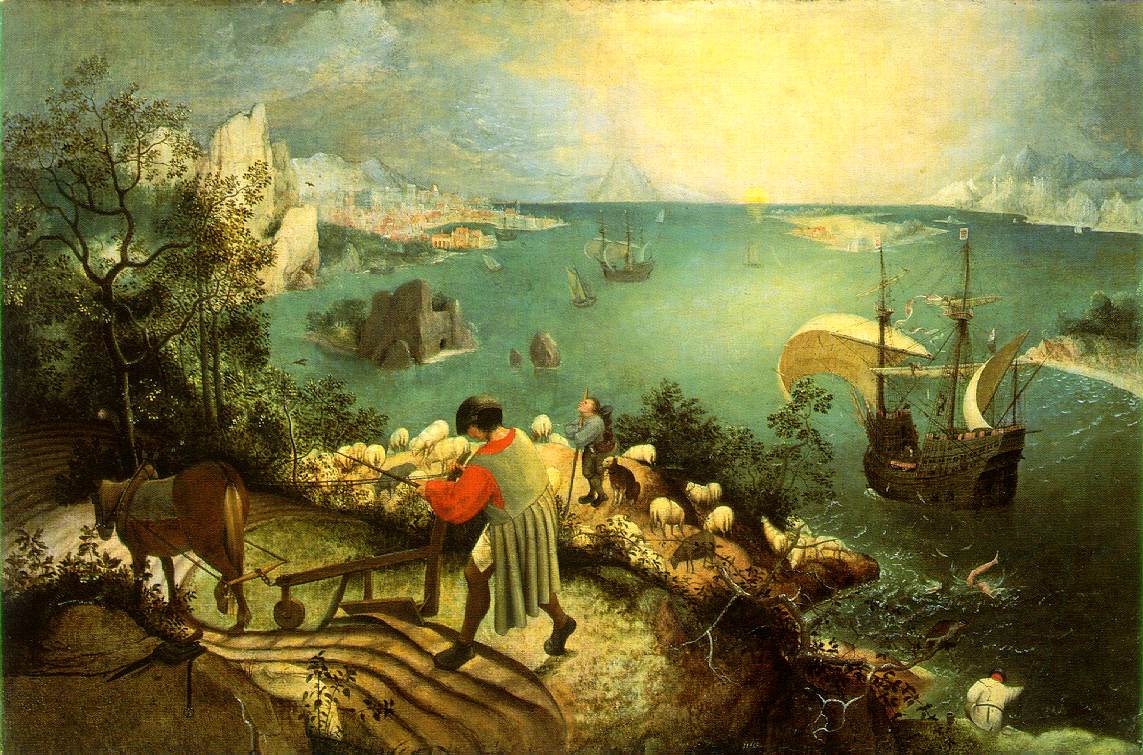 The only certain thing is that the poem does not reply. It ends with a recurrence of that opening yearning – now it’s read as a more obviously grieving voice – though it’s not necessarily to be read as the young man’s voice. It’s the ballad voice, the one I took so long to really grasp in Lorca’s work. It is a voice involved and passionate but with wider geographical, political and historical horizons beyond the individual incident. Like Auden’s ploughman in ‘Musee des Beaux Arts’, glimpsing Icarus’ fall from the sky, yet he must get on with his work, ‘Sleepingwalking Ballad’ returns us in its final lines to the wider world: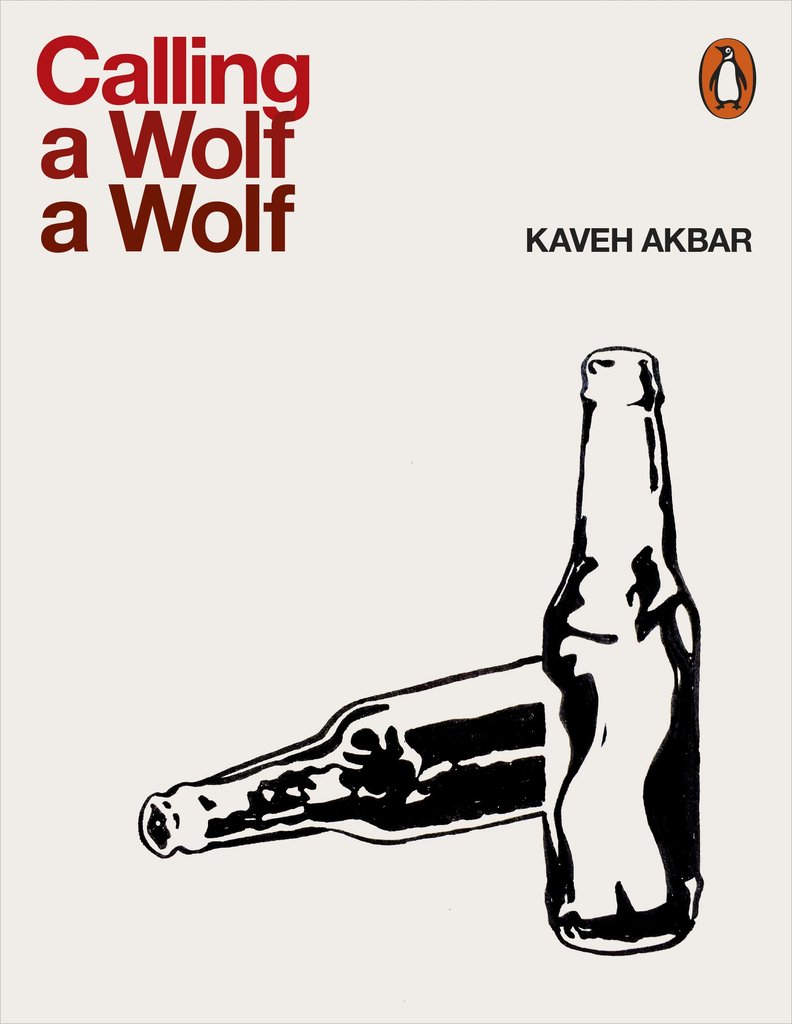
 Akbar doesn’t generally do the more familiar, simply focused poem. There are a few in the book like ‘Learning to Pray’, in scattered unrhymed triplets, in which a young boy (Akbar allows a straight autobiographical reading usually) watches his father pray, “kneeling on a janamaz” or prayer mat. The wish to emulate the admired father is conveyed pin-sharp. A later poem also starts from childhood and (mostly in loose unrhymed couplets) traces the boy’s later maturing in an America “filled with wooden churches / in which I have never been baptized” (‘Personal Inventory: Fearless (Temporis Fila)’). This poem also attracts threads of two of Akbar’s other main themes: his personal addictions and the ubiquitous sense of living in a fallen world.
 One of the main elements of this fallen state (again Akbar allows a simple autobiographical interpretation) is the damage caused by his past addictions, especially to alcohol. This is the main hook Penguin hang the book on (a cover of empty beer bottles, for example). Poems styled ‘Portrait of the Alcoholic …’ recur throughout the book, but the first section is most focused on this. A familiar comment from W.H. Auden is used to firmly yoke spirit to bottle: “All sins tend to be addictive, and the terminal point of addiction is damnation”. Many of the poems then have this sense of inebriation, muddling, confusion which Akbar’s style of writing is very at home with. ‘Portrait of the Alcoholic with Home Invader and Housefly’ presents the drinker waking up, seemingly attacked by a home invader with a knife. Memories of keeping a housefly on a string intervene, perhaps because in the fly’s death the young boy confronted the idea of death: “I opened myself to death, the way a fallen tree // opens itself to the wild”. The poem returns to the threatening situation, then to more abstract thoughts of scale, a TV programme and the speaker passively returns to sleep. This is a great poem of the self as both endangered and paranoid, distanced from danger, the blurring of perception, thought and memory.
 But when it works, these are marvellous poems – and, for my money, this book would make a worthy winner of the 2018 Felix Dennis Prize. ‘Wild Pear Tree’ – as if in one breath – conveys a wintry scene/mental state, recalls halcyon days (of spring) and ends lamenting the forgetting of an “easy prayer” intended for emergencies: “something something I was not / born here I was not born here I was not”. ‘Exciting the Canvas’ is much more risky in its jig-sawing together of disparate elements – a bit of Rumi, the sea, a child’s drawing, a drunken accident, the Model T Ford, crickets, snakes – but somehow manages to hold it all together to make a snap-shot of a troubled, curious, still-open consciousness. And finally, ‘So Often the Body Becomes a Distraction’, dallies with the Rilkean idea of dying young, alludes to recovery from addiction, then grasshoppers, ice-cubes, personal ambitions and the self-image of “rosejuice and wonderdrunk” (which is merely one side of Akbar’s work). This one ends with the not-infrequent trope of a re-birth from burial in the earth. I like these images, suggesting that, for all the fretting about lost paradise, the absence of God, the self-destructiveness of the individual, whatever redemptive re-birth may be possible is only likely to come from our closeness and attentiveness to things about us, an eschewing of the “self-love” Akbar struggles to free himself from in ‘Prayer’: in a lovely phrase –though I’m still figuring it – he concludes, “it is not God but the flower behind God I treasure”.

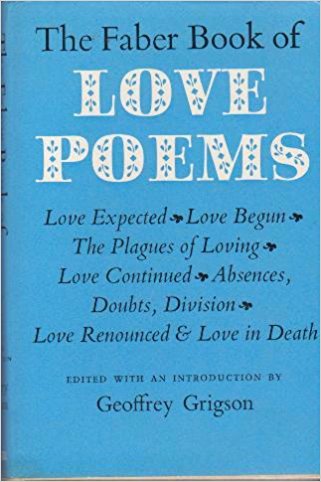
 *As a labouring translator myself, I have long remembered Grigson’s brilliant put-down in his Introduction to the Faber Book of Love Poems (1973). Explaining why he has not included any translations at all, he declares that their “unmeasured, thin-rolled short crust” would prove detrimental to the health of the nation’s poetic taste. Times have changed, thank goodness.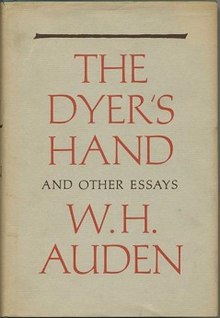




 Martyn Crucefix