It has been a long time since I last posted anything substantial on my blog. In the great scheme of things pandemic, this will not have been remarked upon; though for anybody out there who has noticed, I send my apologies. A particular disappointment is that I have not been able to review this year’s shortlisted Forward First Collections (and the announcement of the winner is almost upon us). For what it’s worth, I think Caleb Femi will win with his Penguin collection, Poor. I still hope to review some of the shortlist, in the near future.
Though I have managed a couple of book reviews (on Pia Tafdrup’s new Bloodaxe collection, on Charlie Louth’s excellent book about Rilke) to be published elsewhere, alongside this blogging drought there has been a more significant one (for me at least): I have hardly managed to write any poetry of my own for well over nine months now. Even the few things I managed to draft (especially at the height of the Covid second wave (last January)), I have signally failed to return to and they may all now fall by the wayside. In moments, it is as if I have forgotten HOW to write a poem; a questioning of the importance of this solitary business; a simple lack of external stimulation perhaps. The one thing I have been able to do during this awful period is more translation. I have (happily) been commissioned to complete exciting projects for two publishers (publication dates off into 2023 in both cases) and I hope to say more about these in later blogs. Yes, my intention is to get back to blogging more regularly.
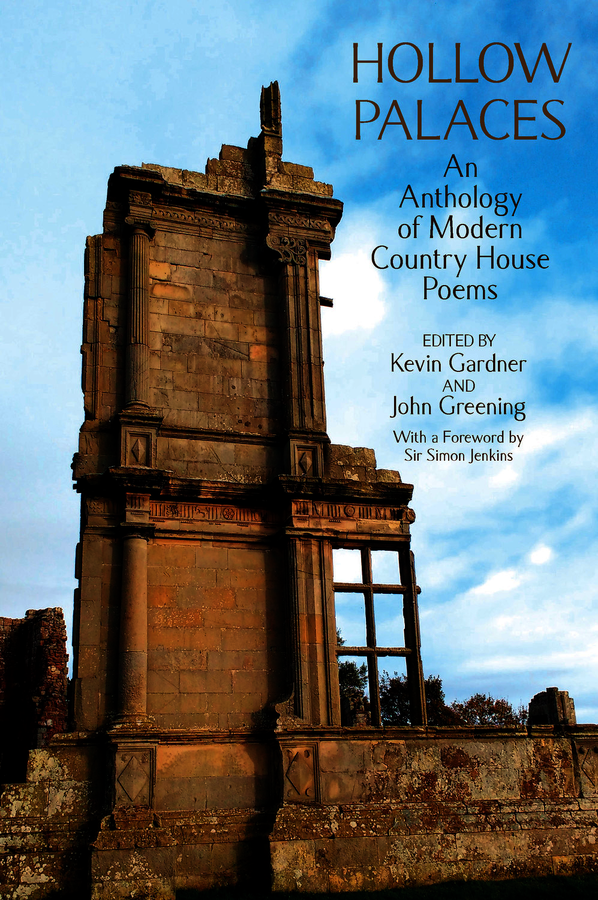
It has also been a long time since I gave anything resembling a public reading. But last Sunday afternoon I travelled with poet, Hilary Davies, out of London to Kimbolton School, north of Bedford for an actual in person book launch! The book was the sumptuous new anthology, Hollow Palaces, published by Liverpool University press and edited by John Greening and Kevin Gardner from Baylor University in the USA. The book is the first complete anthology of modern country house poems, including over 160 poets from Yeats and Betjeman to Heaney, Boland, Armitage and Evaristo.

The venue was fittingly grand. Kimbolton Castle is a country house in the little town of Kimbolton, Huntingdonshire and it was the final home of King Henry VIII’s first wife, Catherine of Aragon. Originally a medieval castle, it was later converted into a stately palace and was the family seat of the Dukes of Manchester from 1615 until 1950. It now houses Kimbolton School and this is where John Greening taught for a number of years (alongside Stuart Henson, another poet represented in the anthology).
With the declining sun streaming in through the opened French windows, looking out across the school playing fields, after an introduction from Kevin Gardner, we each read a couple of poems from the anthology. So – amongst others – John Greening read ‘A Huntingdonshire Nocturne’ about the very room we were assembled in, a subtle take on English history and education, Ulster and Drogheda. Hilary Davies’s poem rooted in Old Gwernyfed Manor in Wales, was a fantasy of lust, sacrifice, murder and hauntings. Stuart Henson’s compressed novelistic piece mysteriously described the murder or suicide of a Fourteenth Earl. Anne Berkeley remembered childhood isolation and bullying at a dilapidated Revesby Abbey. Rory Waterman re-visited the ruins of an old, tied lodge-house his grandmother once lived in. Lisa Kelly’s chewy foregrounded language (‘O drear, o dreary dreary dirge for this deer’) shaped itself into a sonnet. Rebecca Watts looked slant and briefly at Ickworth House, a glimpse of bees in lavender. Robert Selby was at Chevening, considering the clash of perspectives between the tourist’s casual gaze and the realities of tombs, time and history.
I chose to read Louis MacNeice’s brilliant, late poem ‘Soap Suds’. Written in 1961, he is remembering the grand house called Seapark which overlooks Belfast Lough. Jon Stallworthy has called the poem a ‘Proustian daydream’, the simple act of washing one’s hands acting as the trigger for remembrance of time past. What appeals to me about the poems is its subtle handling of several times periods: the ageing man washing his hands, looking back to idyllic occasional visits to the house, as well as later, less happy times there (the house belonged to Thomas Macgregor Greer, only brother of MacNeice’s step-mother), the imagery beginning to verge on the nightmarish. (For another blog on MacNeice’s work click here.)
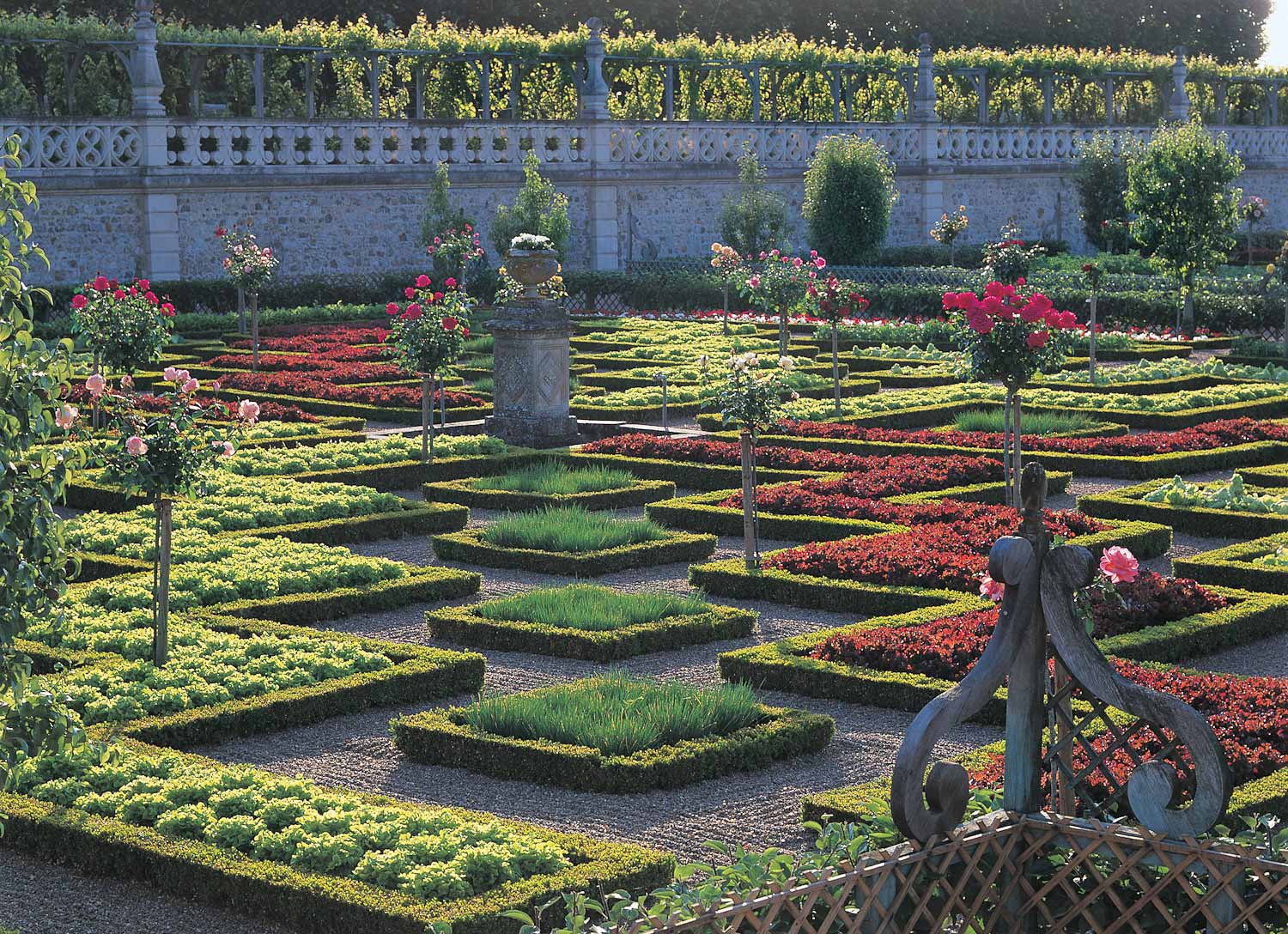
My own poem in the book, as yet unpublished elsewhere, is called ‘Our Weird Regiment’. The poems remembers a compilation of country house visits over the years. One was a visit to the French chateau at Villandry where the formal gardens, I remember, were not conventionally planted with flowers but with vegetables and herbs. I’m posting the text to MacNeice’s as well as my own poem, alongside the phone video (made by Jane Greening) of the 5/6 minute reading I gave at Kimbolton.
Soap Suds by Louis MacNeice
This brand of soap has the same smell as once in the big
House he visited when he was eight: the walls of the bathroom open
To reveal a lawn where a great yellow ball rolls back through a hoop
To rest at the head of a mallet held in the hands of a child.
And these were the joys of that house: a tower with a telescope;
Two great faded globes, one of the earth, one of the stars;
A stuffed black dog in the hall; a walled garden with bees;
A rabbit warren; a rockery; a vine under glass; the sea.
To which he has now returned. The day of course is fine
And a grown-up voice, cries Play! The mallet slowly swings,
Then crack, a great gong booms from the dog-dark hall and the ball
Skims forward through the hoop and then through the next and then
Through hoops where no hoops were and each dissolves in turn
And the grass has grown head-high and an angry voice cries Play!
But the ball is lost and the mallet slipped long since from the hands
Under the running tap that are not the hands of a child.
x
Our weird regiment by Martyn Crucefix
How the rich impress us
with what they own
displaying family photos
on the piano lid
as if no different
x
to those of us who shuffle
through elaborate rooms
or glance aside
through leaded glass
x
into formal gardens
where cabbage
potato and mint perhaps
chive and marjoram
x
are elegantly deployed
to be admired
not cooked or eaten
our guide explains
x
the farmlands purchased
to the churchyard wall
and then beyond it
every mound ploughed
x
and levelled in accord
with his lordship’s
goose-feathered whim
yet a scattering of bones
x
has assembled itself
in a heap at the gate
now beyond the gate
x
our weird regiment
lurches into the road
a swaying of skulls
and whitened knucklebones




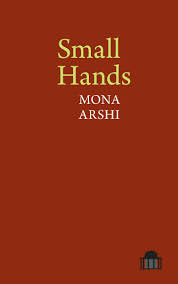
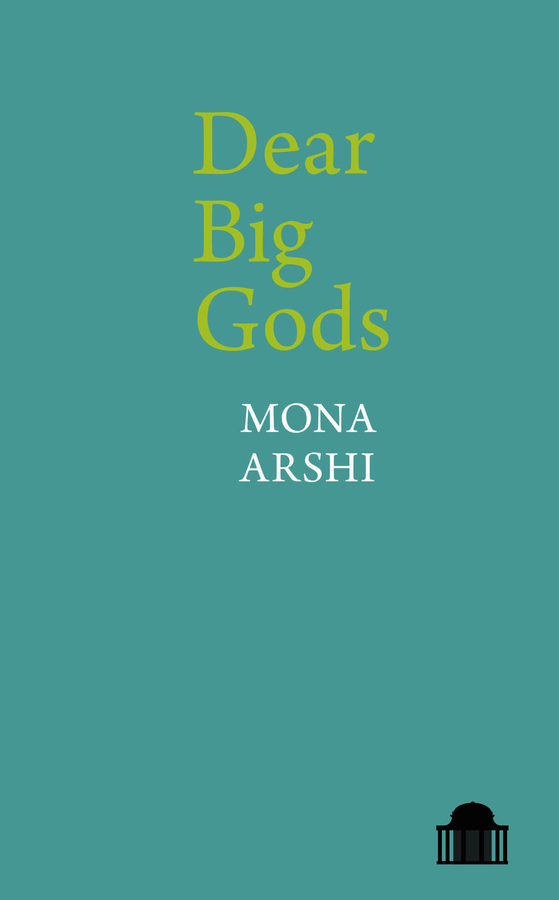 In a recent launch reading for her second collection, Dear Big Gods (Pavilion Poetry/Liverpool University Press, 2019), Mona Arshi suggested
 As the blurb suggests, these poems are indeed “lyrical and exact exploration[s] of the aftershocks of grief”. But ‘Everywhere’ adopts a little more distance and develops the kind of floating and delicate lyricism that Arshi does so well. The absent brother/uncle is still alluded to: “We tell the children, we should not / look for him. He is everywhere”. As that final phrase suggests, the rawness of the grief is being transmuted into a sense of otherness, beyond the quotidian and material. It’s when Arshi takes her brother’s advice and lets go of “definitive knowledge” that her poems promise so much. ‘Little Prayer’ might be spoken by the dead or the living, left abandoned, but either way it argues a stoical resistance: “I am still here // hunkered down”. In a more conventional mode, ‘The Lilies’ develops the objective correlative of the flowers suffering from blight as an image of a spoliation that hurts and reminds, yet is allowed to persist: “I let them live on / beauty-drained / in their altar beds”.
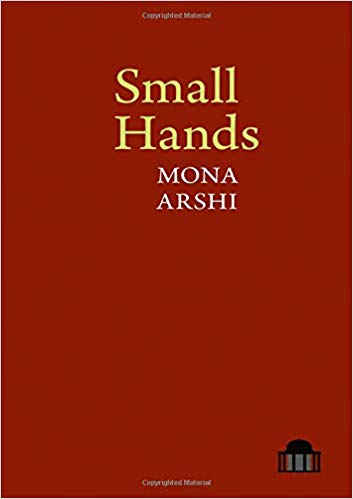 Arshi’s continuing love affair with ghazals also seems to me to be an aspect of this same search for a form that holds both the connected and the stand-alone in a creative tension. ‘Ghazal: Darkness’ is very successful with the second line of each couplet returning to the refrain word, “darkness”, while the connective tissue of the poem allows a roaming through woods, soil, mushrooms and a mother’s praise of her daughters. Poems based on – or at least with the qualities of – dreams also stand out. The doctor in ‘Delivery Room’ asks the mother in the midst of her contractions, “Do you prefer the geometric or lyrical approach?” In ‘The Sisters’ the narrator dreams of “all the sisters I never had” and within 10 lines Arshi has expressed complex yearnings about loneliness and protectiveness in relation to siblings and self.
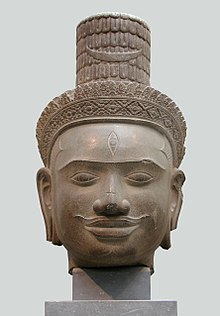 So, in ‘My Third Eye’, the narrator is “more perplexed than annoyed” that her own third eye – the mystical and esoteric belief in a speculative, spiritual perception – has not yet “opened”. The poem’s mode and tone is comic for the most part; there is a childish impatience in the voice, asking “Am I not as worthy as the buffalo, the ferryman, / the cook and the Dalit?”. But in the final lines, the holy man she visits is given more gravitas. He touches the narrator’s head “and with that my eyes suddenly watered, widened and / he sent me on my way as I was forever open open open”. The book also closes with the title poem, ‘Dear Big Gods’, which takes the form of a prayer: “all you have to do / is show yourself”, it pleads. The delicate probing of Arshi’s best poems, their stretching of perception and openness to unusual states of emotion are driven by this sort of spiritual quest. Personal tragedy has no doubt fed this creative drive but – as the poet seems to be aware – such grief is only an aspect of her vision and not the whole of it.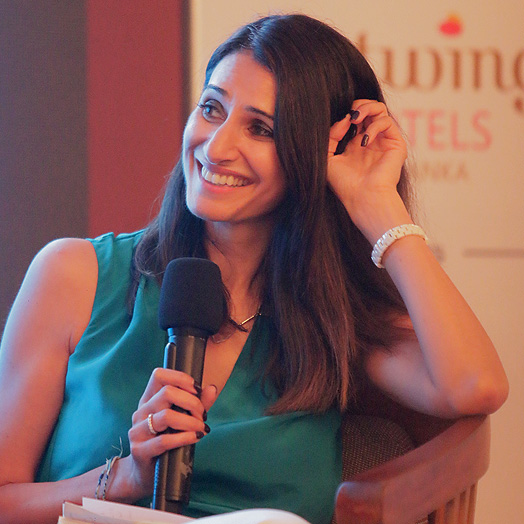
 Lieke Marsman’s The Following Scan Will Last Five Minutes (Pavilion Poetry/Liverpool University Press, 2019) is an unlikely little gem of a book about cancer, language, poetry, Dutch politics, philosophy, the environment, the art of translation and friendship – all bound together by a burning desire (in both original author and her translator, Sophie Collins) to advocate the virtues of empathy. The PBS have chosen it as their Summer 2019 Recommended Translation.
 The sort of silence Lorde fears is evoked in the monitory opening poem. Its unusual, impersonal narration is acutely aware of the lure of sinking away into the “morphinesweet unreality of the everyday”, of the allure of self-imposed isolation (“unplugg[ing] your router”) in the face of the diagnosis of disease. What the voice advises is the recognition that freedom consists not in denial, in being free of pain or need, but in being able to recognise our needs and satisfy them: “to be able to get up and go outside”. It’s this continuing self-awareness and the drive to try to achieve it that Marsman hopes for and (happily) comes to embody. But it was never going to be easy and towards the end of the poem sequence, these needs are honed to the bone:
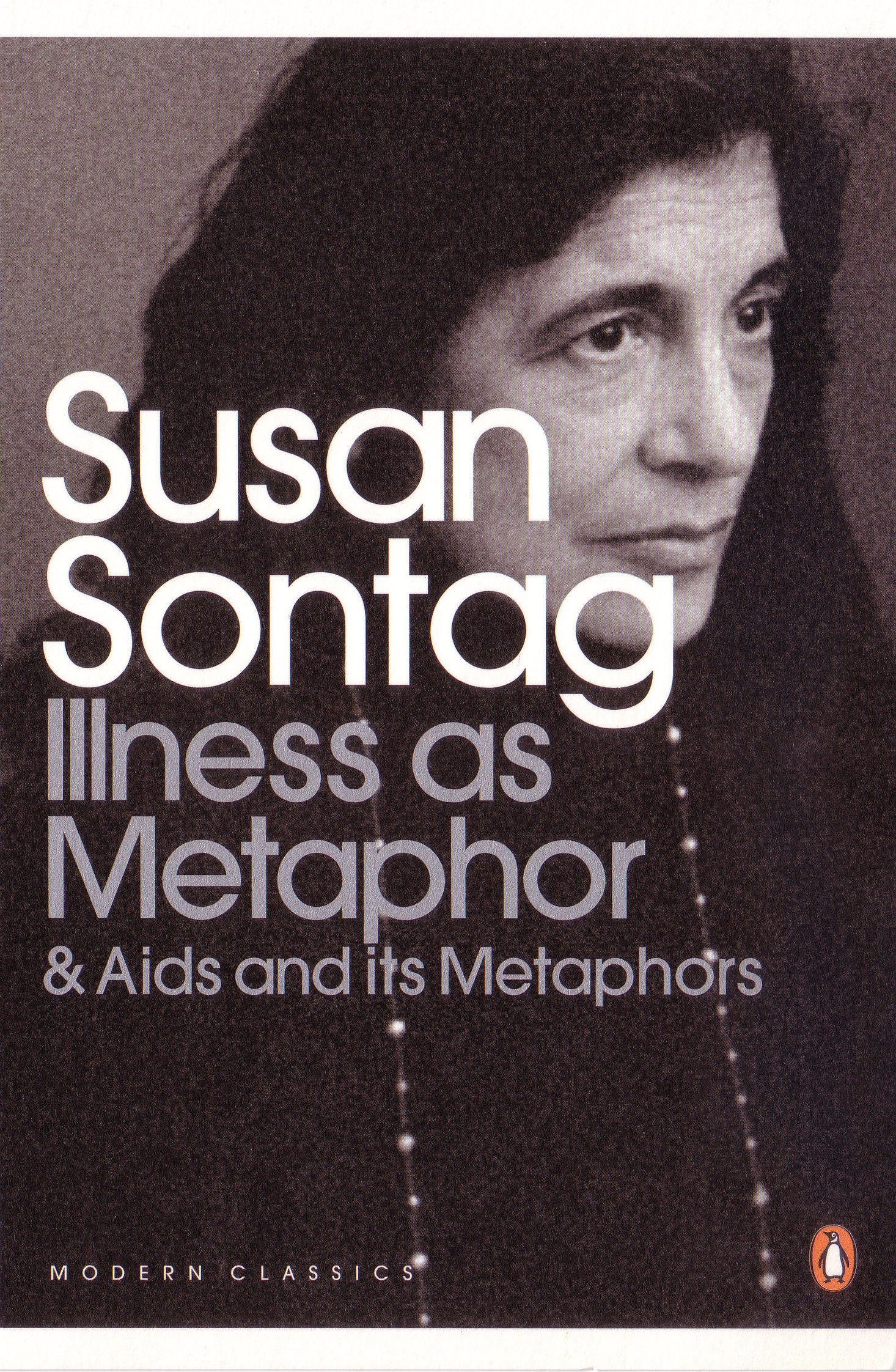 Marsman tells us she read Audre Lorde and Susan Sontag’s Illness as Metaphor after her operation and discharge from hospital. It’s Sontag who draws attention to the role of language in the way patients themselves and other people respond to cancer. Marsman asks herself: “Am I experiencing this cancer as an Actual Hell [. . .] or because that is the common perception of cancer?” The implied failure to achieve truly empathetic perception of the role and nature of the disease is echoed horribly in the empathetic failures and hypocrisies of Dutch politicians (UK readers will find this stuff all too familiar in our own politics). Prime Minister, Mark Rutte, blithely allocates billions of euros to multinationals like Shell and Unilever (on no valid basis) while overseeing cuts in health services. Marsman reads this as a failure to empathise with the ill. Another politician, Klaas Dijkhoff, reduces benefits on the basis that people encountering “bad luck” need to get themselves back on their own two feet. Bad luck here includes illness, disability, being born into poverty or abusive families, being compelled to flee your own country. Marsman’s own encounter with such ‘bad luck’ makes her rage all the more incandescent.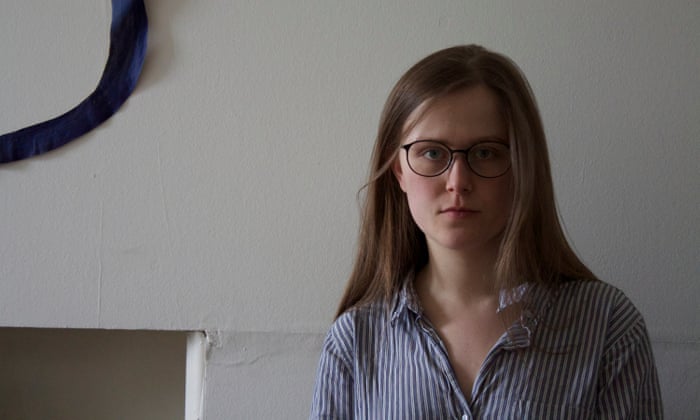







 Martyn Crucefix