Two Poems by the late Jürgen Becker

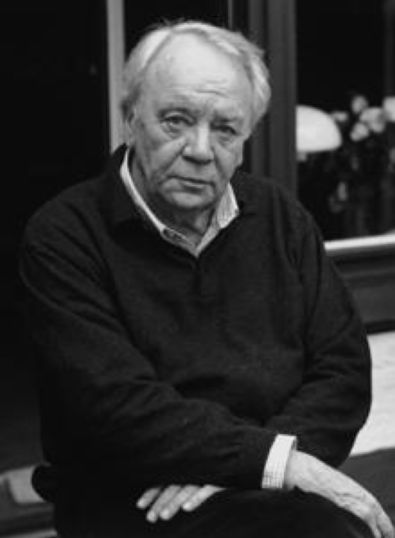
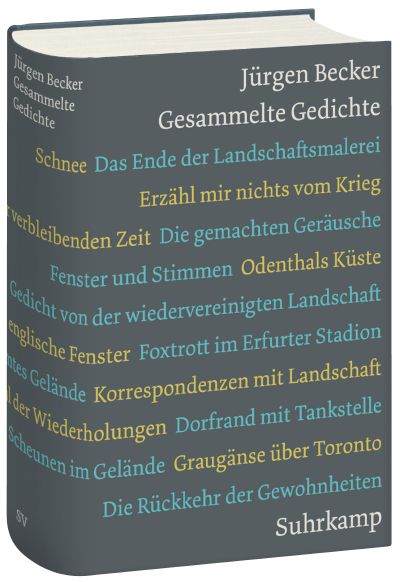
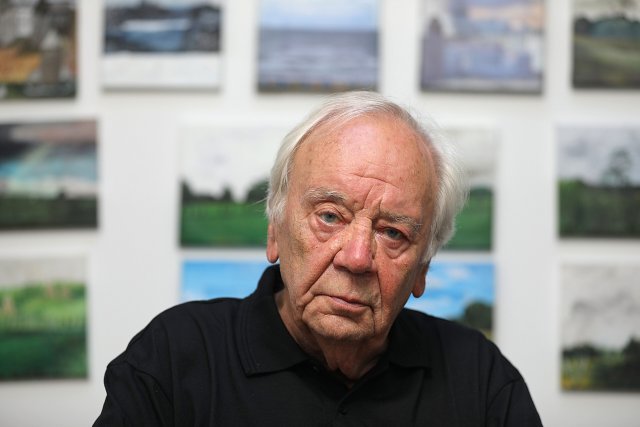
The sad news that Jürgen Becker (1932-2024) died recently at the age of 92 was particularly poignant as I have been translating his work for the past 3 years. I first read about his poetry in an essay I was translating by Lutz Seiler (published in In Case of Loss (And Other Stories, 2024)). There, Seiler characterises Becker’s work as ‘a process that integrate[s] both immediate and more distant modalities of language, his own voice as well as materials drawn from other sources such as events, photos, maps as well as interjections from neighbouring rooms, from the mail, the news, weather conditions and whatever else stray[s] within range’ (my translation). History, politics, the importance of recording ‘small things’, an extraordinarly porous kind of poetry – these were the aspects that drew me to his work (as a writer of my own poems as much as translator).

Becker’s ‘typical’ poem works at length, resembling a stream-of-consciousness, but better thought of as a kind of collage or montage. His effects are slow-burning, allusive, even elusive, and I don’t think his work is likely to top any UK chart of popular poetry any time soon. But his revered status in Germany is remarkable and I have actually had a couple of successes recently with my translations: a Highly Commended in the 2024 Stephen Spender Trust Translation Competition, judged by Taher Adel and Jennifer Wong (with the poem ‘Meanwhile in the Ore Mountains’), and one of Becker’s longer poems in translation being published (‘Travel film; re-runs’ – see below).

Becker grew up in the German region of Thuringia which, after World War II, was in the Soviet occupation zone, later the GDR. By then, his family had moved to West Germany and, after the fall of the Berlin Wall in 1990, the writer often returned to his childhood landscape. I have concentrated my translation efforts on Becker’s 1993 poems in Foxtrot in the Erfurt Stadium, published by Suhrkamp. The full translation is due to be published by Shearsman Books in 2025. The Spender Trust Competition poem is a short piece which I can quote in full. The Competition requires entrants to say a few words about the poem and the translation process. Here is a video of the Intro and Reading of the poem for the prize event, and (alongside) the text that I originally submitted:

Commentary – The Ore Mountains lie along the Czech-German border. Borders are important in this poem. Born in the East German region, brought up in West Germany, after the fall of the Wall in 1990, Becker often returned to his childhood landscape. Though relatively brief, this poem is just one sentence, woven together with the conjunction ‘wie’ (translated here both as ‘how’ and ‘the way’). The weave is dense and it’s not possible to tell whether what is observed – the children, the oil spill, the tree stump (resembling a body) – are contemporaneous or from different eras. My translation keeps these possibilities open: borders here are temporal, as well as geographical. The German word ‘Avantgarde’ has artistic as well as political implications, but my choice of ‘vanguard’ also brings out the militaristic connotations which are reinforced by the ‘spitzen, grünen Lanzen’ (‘sharp, green spears’) which are swiftly transformed into a bunch of sprouting snowdrops. These flowers of Spring are referred to as a ‘Konvention’ and I retained the English equivalent, intending to suggest both a performance (something conventional, perhaps not genuine), as well as a political gathering or agreement (like the Convention on Human Rights). The ambiguity felt relevant. The final vivid, visual images – a TV screen seen through a window, a script on the screen, a woman talking, but inaudible to the observer – sum up Becker’s concerns about the media, political and historical change, borders real and imagined, exclusion, and the need to ask questions of those in power. Issues as real today as when the poem was written.

Sitting still, watching how the afternoon below

waits for the dusk, the way snipers vanish

behind the remains of a wall and children run

after a white, armoured vehicle, the way a line

of hills, which marks a boundary, divides

the nothingness of snow from the nothingness of sky,

and along the frontier, one this side, another

along the other, fly the only two crows

to be found in this treeless landscape, the way

the iridescent pattern of an oil spill develops

with darkening edges, the way a tree stump

in the field becomes the shape of a body with

severed arms and legs, how, under the cherry,

the vanguard shows with sharp, green spears,

which later, over the next few days, assumes

the convention of snowdrops, how dark windows

are lit by screens, and on each screen appears,

at first, lettering, and then the face of

a woman who is soundlessly moving her lips.

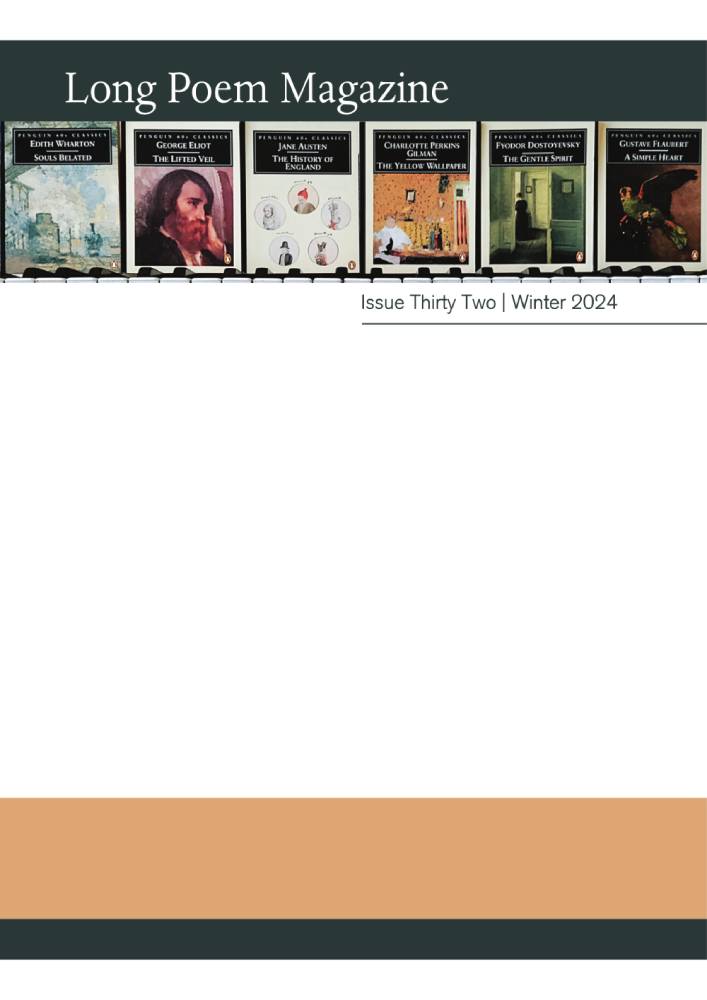
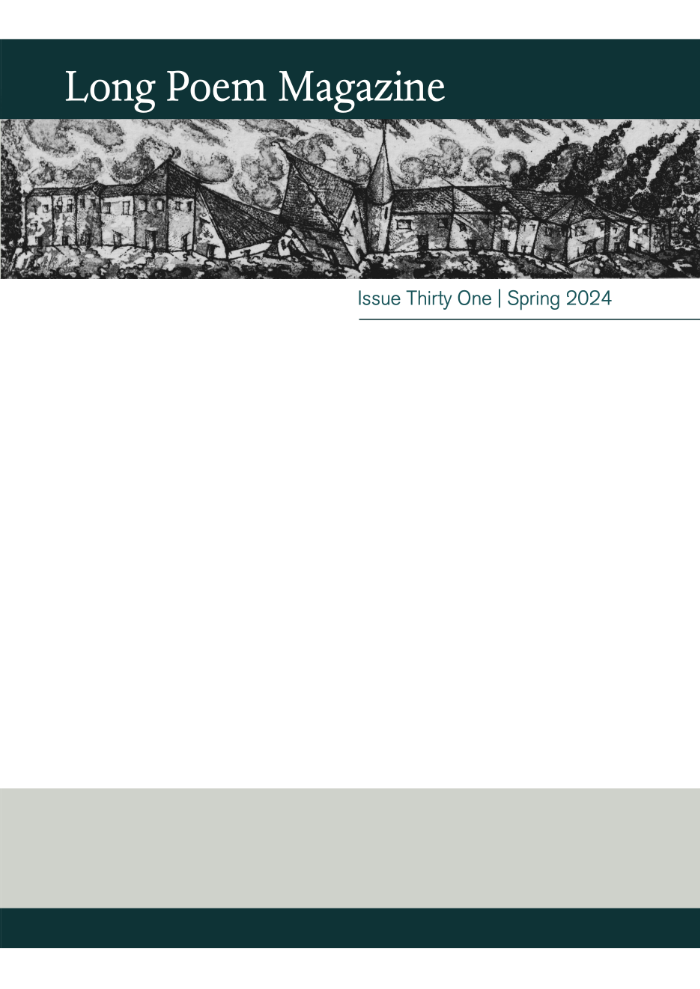
The longer poem – ‘Travel film; re-runs’ – which does indeed run to over 100 lines in full – has just appeared in The Long Poem Magazine, Issue 32, eds. Linda Black and Claire Crowther. This brilliant magazine is one of the few outlets for poems stretching beyond the ‘competition’ mark of 40/50 lines only. Poets/translators again have the opportunity to comment on the work being published. This was my Introductory paragraph:

Given his 1000 page Collected Poems (Suhrkamp, 2022), it’s remarkable that Jürgen Becker’s work has been so little translated into English.  This poem, published in his 1993 collection, Foxtrot in the Erfurt Stadium, is imbued with Becker’s sense of the changes in this particular part of Europe. The interleaving of the child’s and returning adult’s vision is what yields Becker’s characteristic poetic mode: a flickering between past and present, often without warning to the reader, a past frequently oppressed by the rise of fascism in the 1930s. The translator’s difficulties lie not in his word choices (Becker plainly describes, he states), but, to some degree, in his cultural references (here, the allusion to pimpf kids (cub, little rascal, little fart) is to members of the Hitler Youth), and, primarily, in dealing with his style of montage-composition, his commitment to ‘the apparently incidental’. Becker’s porous verse contains multitudes of perspectives, voices, inner and outer events, photos, maps, postcards, news, weather reports. In translation, it’s hard to flex, to permit these into English, and I have had to learn to trust Becker’s arrangements of them into long, semi-colon linked passages, utterly remote from conventional ‘lyric’. The opening 24 lines here elide landscape, weather, employment, domesticity, and history, then on to the natural world, compositional ideas, back to history. Becker is a great poet of the present moment and of the past. He grew up in Thuringia which, following World War II, lay in the Soviet occupation zone, later the GDR. By then, Becker’s family had moved to West Germany, and, after 1990, he often returned to these childhood landscapes. This poem was published in his 1993 collection, Foxtrot in the Erfurt Stadium. Becker worked for many years in German radio, and, in this poem, we might imagine a small production team visiting an un/familiar landscape in the East, perhaps where a childhood was spent, a place later abandoned.

Travel film; re-runs (extract)

the landscape: like corrugated cardboard, an enduring, fixed

motion, on a smoky grey day. The wind came

somewhere from below, from a region beneath

the weather chart; in the evening, we could no longer

reach our correspondents. We drove out

to the country house; we ate

Spanish green asparagus. It was a moment

from yesterday that rolled slowly past the shelf        

with its yellow calendars and diaries and pictures;

something had begun,

the sound of that reiteration. You can … and

you allow it … push the off button; outside the window,

the blackbird flutters up, simply waiting

to be mentioned. Now you notice the way the paint

has peeled from the window frame, and where

the ants are coming from, in January the only

living creatures in the house. Perseverance pays off

at some point, even if you have little alternative

but to gather piece after piece together. Paint pots

in the shed, shades of green and white, but

we are waiting for a consistent light,

on either side of the house. Is it too late now,

to leave again

        … lake shores, before they are all

accounted for, can still be appreciated, with sandy paths

reaching the purple horizon … subjunctive, without end;

a game of evasion that you can watch until you

whistle, or shout, and it’s nothing like awakening

from a dream. In the evening, we light a fire; it’s

a sudden, impromptu decision; then follows

the next draft of the letter: your sketches litter the table

… you no longer need a pass; highways,

the middle of the village … standing beside you

on the jetty; on the opposite side, the yellow ribbon

of the shoreline

      clips from the travel film just now

set going in the blink of an eye; then the meadow

is mown; there are a few old clumps of snowdrops

we leave standing. The fact is, we have missed out

on the moment of adulthood, even if, in the evening,

you say: never, not once, did the door open, from

which a little something left, and what you are now

entered in. The contrast, the changes … the fear has

been networked, so many of these shortcomings went

into production. Piano, from beyond French windows,

Shostakovich plays Shostakovich, and the life story

draws a curve out towards the northeast. Ice floes,

accumulating along the coast; in boots and furs,

walking over the frozen river, passing pimpf kids,

and old men, and a young woman who’s most likely

Polish, and you’re not going to stop staring at her

any time soon; freezing cold on the sledge back home,

your mother doesn’t live here anymore; the whole scene

darkens under the smoke of an engine pulling

A Run of Readings in October/November

Talk to whomsoever (among the poets you may know) and a common theme is just how hard it can be to get invitations to read. It really is hard going and for those of us – most of us – who have an aversion to the push and flaunt that is required – it can even feel quite painful. But do it we must. So it’s really nice when it produces a few results. This, by way of saying that I have a few appearances – brief in the main – not as headline reader – coming up at the end of this month and the opening of November. A couple of these readings are translation-related, two others are to mark the publication of extracts from some more experimental work (in original poetry) that I have been pursuing in the last couple of years. I’m particularly happy that these more ‘odd’ compositions have found such warm responses and it makes me think I ought to be looking to publish them in full. Though I have another, other book sitting ready to go… publishers??

Some more event details….

On 26th October, 2pm, at The Library, Conway Hall, London, as part of the Small Publishers Fair, Wivenhoe-based Dunlin Press will be launching four new pamphlets of writing: Kathmandu by Andrew Shaw, Bomb by Samuel Reid, From Stone to Clay to Butter by Lily Petch, and A Raven on a Writing Desk by Julie Hogg. These talented people were the winners of the Press’ 2024 competition for experimental writing. Sad to say, I’ll not actually be reading here, but some of my work is included in the accompanying anthology (those who just missed out I like to think!). My contribution is an extract from A Shout Across Dursey Sound, a sequence of poems set on the Beara Peninsula in Ireland. The anthology’s title is Objects (buy it here) and it includes work by Galia Admoni, MW Bewick ,Emma Bolland, Richard Capener, Tessa Foley, Anthony Ogbonnaya Chukwu, Richard Skinner, Isabella Streffen, and others.

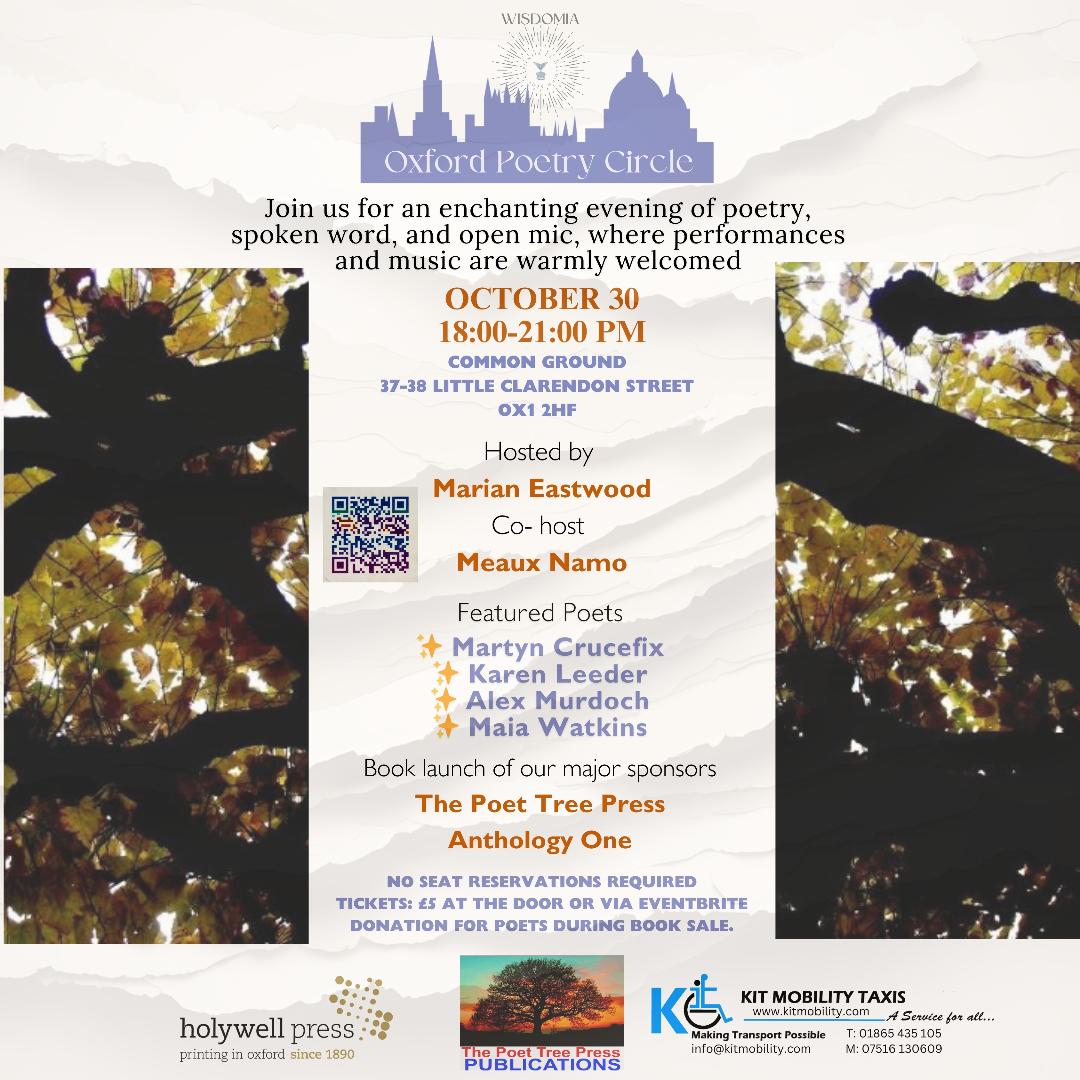
Then, on Wednesday, 30th October, 6pm-9pm, I’m off to Oxford to read for the Oxford Poetry Circle, as announced in a previous post. This is taking place at Common Ground, on Little Clarendon Street, Oxford. There, I’ll be reading work in translation only – from my recent Rilke book published by Pushkin Press (reviewed here on The Friday Poem by Victoria Moul) and from my 2019 Shearsman Books collection of poems by Peter Huchel. I’m particularly pleased to be reading on this occasion with the brilliant and super-industrious translator, academic and friend, Karen Leeder. Other readers are Alex Murdoch and Laia Watkins – and there will be readers from the floor.

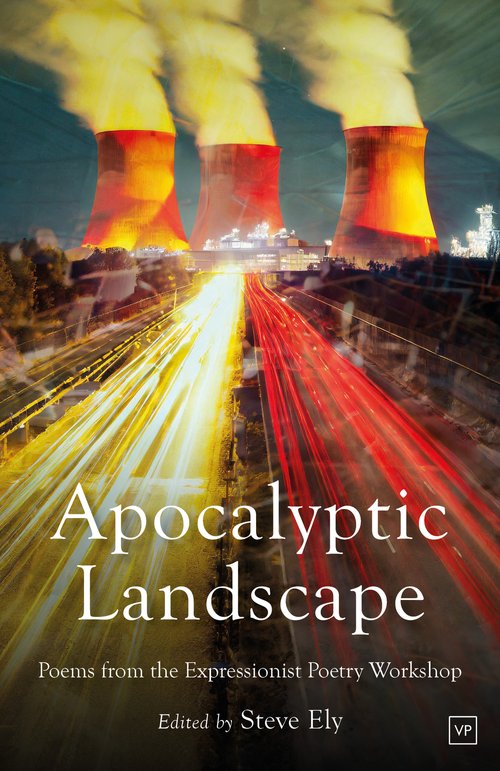
A couple of days later, the evening of Friday 1st November, I will be reading from a second experimental sequence of my own poems at the launch reading for Steve Ely’s anthology called Apocalyptic Landscape (Valley Press). My poems, a sequence called Olga Liking Sunflowers, roam through the pandemic experience, the work of David Jones, my local landscape and the delights (or otherwise) of social media. Contributors were encouraged to generate visionary responses to the crisis of the Anthropocene in the context of landscapes important to them. I will be reading alongside Steve, Jill Abram (who is organising the London launch for the book), as well as Katy Evans-Bush, JP Seabright, Anita Pati, and Caroline Maldonado. Steve Ely is also reading from his book Orasaigh, a collaboration between Steve and photographer Michael Faint, inspired by the landscape around the tidal island of Orasaigh, located on the coast of South Uist at Boisdale. This event will take place upstairs at the Devereux pub, 20 Devereux Ct, London WC2R 3JJ. Doors open 6:30, Poetry starts 7pm FREE event.

Finally, I have also been lucky enough to have a translated longer poem (by the contemporary German poet Jürgen Becker) accepted to appear in Issue 32 of The Long Poem Magazine and I will be reading ‘Travel film: re-runs’ at their launch event in the afternoon of Saturday 16th November 1.30 to 3.45, at the Barbican Library, Barbican Centre, Silk Street, London, EC2 8DS. Other readers will be: Angela Gardner, Charlie Baylis, Sue Burge, Sharon Holm, Claire Cox, Sian Thomas, Peter RobinsonKhaled HakimTimothy AdesJulian Stannard. FREE ENTRY and there will be a short interval for sales and chats. Refreshments are available downstairs from the Barbican Cafe and Bar. I hope to see you at one or another of these events. I’ll leave you with a few lines from my sequence in Steve Ely’s apocalyptic anthology:

Olga likes my post of the tall sunflowers in the square.

Through google translate, her post in Russian reads: adrenaline is my doping.

I draw for the soul.

There are hundreds of images of herself. Some with wild animals.

Surely, they’re not really wild.

In a zoo. Under lock and key.

Others touch the hem of the pornographic.

Others look like cheap advertisements for luxury cars.

The kind of posts, I wonder, that end with an offer of marriage from the viewer.

Another shows her bald headed, holding a snake, just weeks after the remission of her illness.

I want to ask her: what was the exact nature of the disease?

I want to ask her.

What mark will this make in history?

I want to ask her. When will this stop?


Reading in Oxford 30th October

I will be reading from my German translations – Peter Huchel and Rainer Maria Rilke. NB the best german translator currently at work in the UK – Karen Leeder, of Queens’ College, Oxford – will also be reading. Not to be missed!!

New Review of ‘Between a Drowning Man’ – from Shanta Acharya

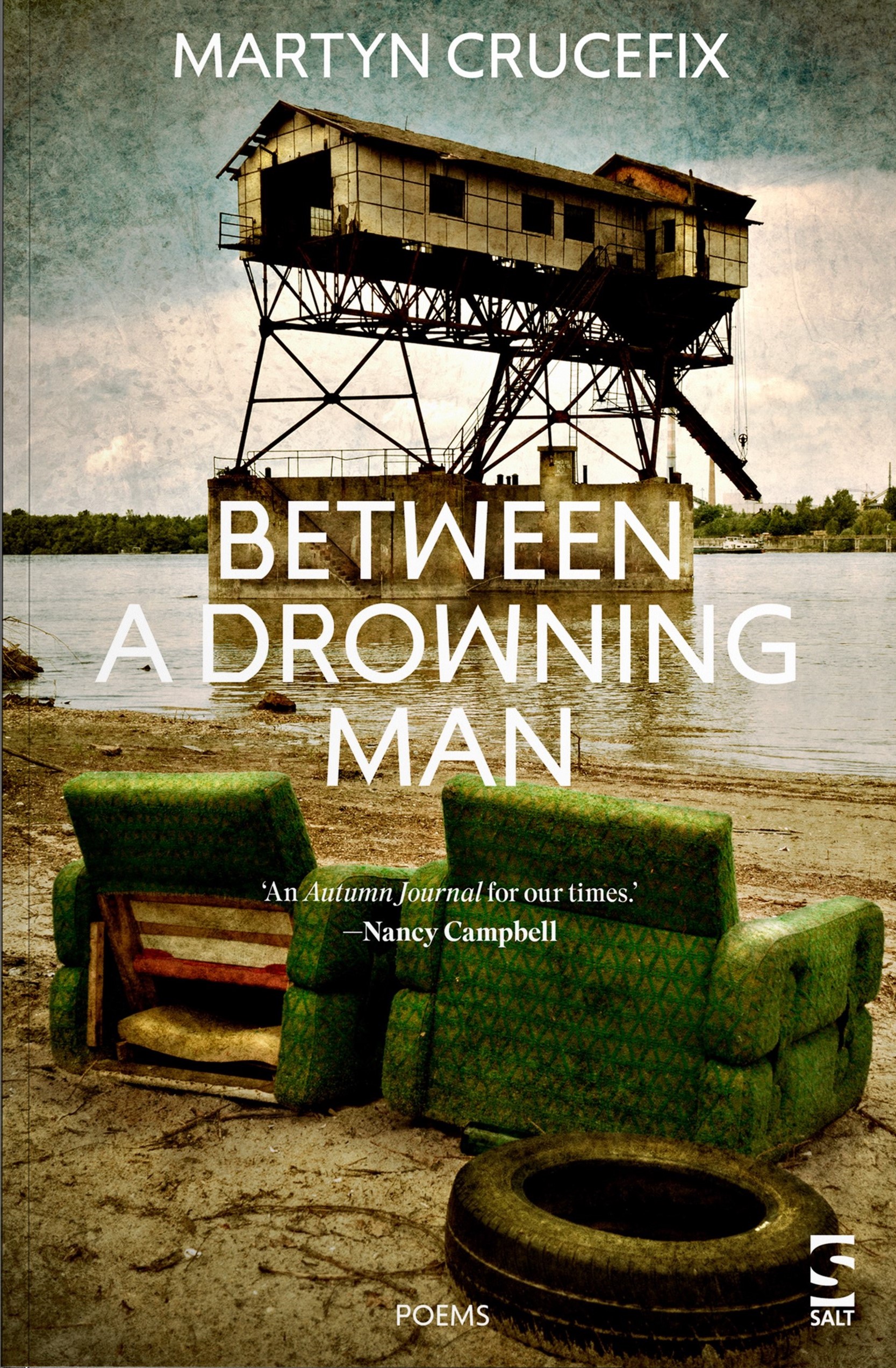
We all know that reviews of poetry books can take a long time to filter through whatever system they do come through. But then they always come as a pleasant surprise (if that’s not making too many assumptions about their likely contents). Any way – almost 12 months after the appearance of my most recent full collection, Between a Drowning Man (Salt, 2023), the ever-lively site, Everybody’s Reviewing, has just posted a detailed and insightful commentary on the book by poet and novelist, Shanta Acharya.

Amongst other things, the review comments: ‘A poet, translator, reviewer and poetry blogger, Martyn Crucefix has won prizes for his poetry and translation. As a translator of Rilke’s Duino ElegiesThe Sonnets to Orpheus, Laozi’s Daodejing, Huchel’s These Numbered Days, among others, Crucefix has been building bridges for those who want to cross the divide between cultures, countries, ways of seeing the world and each other. Words are bridges, language itself a bridge – yet we inhabit an increasingly complex world where loneliness and isolation are on the rise. In ‘fifteen kilometres of traffic’ an acceptance of this isolation is disconcerting: ‘you make a choice you go your own way … / because all the bridges are down.’ His understanding of the central role language plays in our lives, that creation of bridges between humans, is a fundamental aspect of his work’.

Here’s a link to the full review

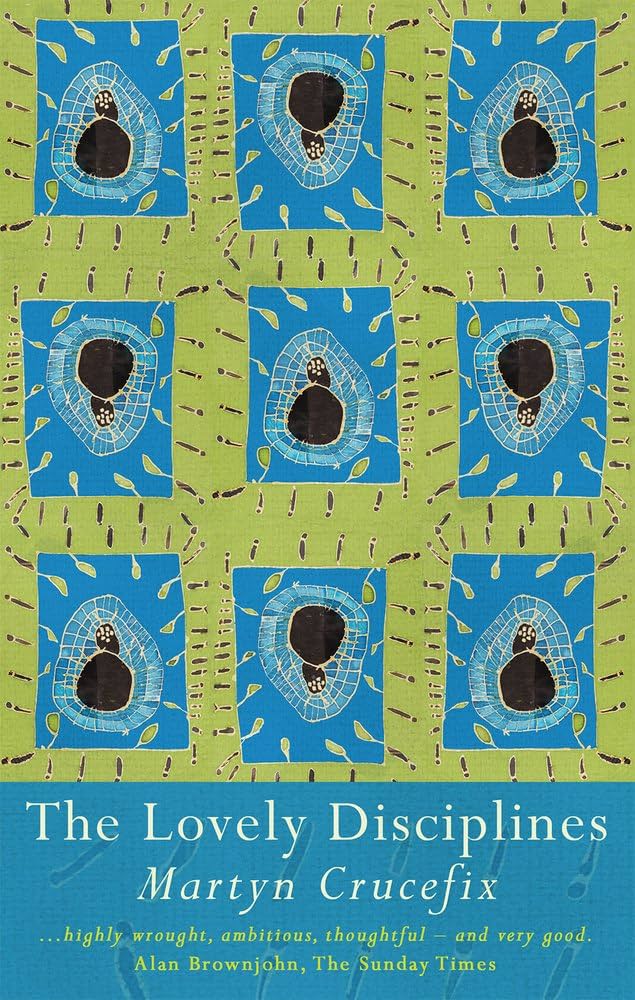
And coincidentally, Seren Books have also just recently posted a rather older poem of mine in their Poem of the Week slot. This is from my 2017 collection with Seren, The Lovely Disciplines. It’s about visiting the opticians for a check-up – though also about the desire (my desire) for clarity and absoluteness (if there is such a word), a desire, of course, never to be fulfilled. Read the full poem here.

Reading Rilke’s poems – 6pm this Saturday in Bristol

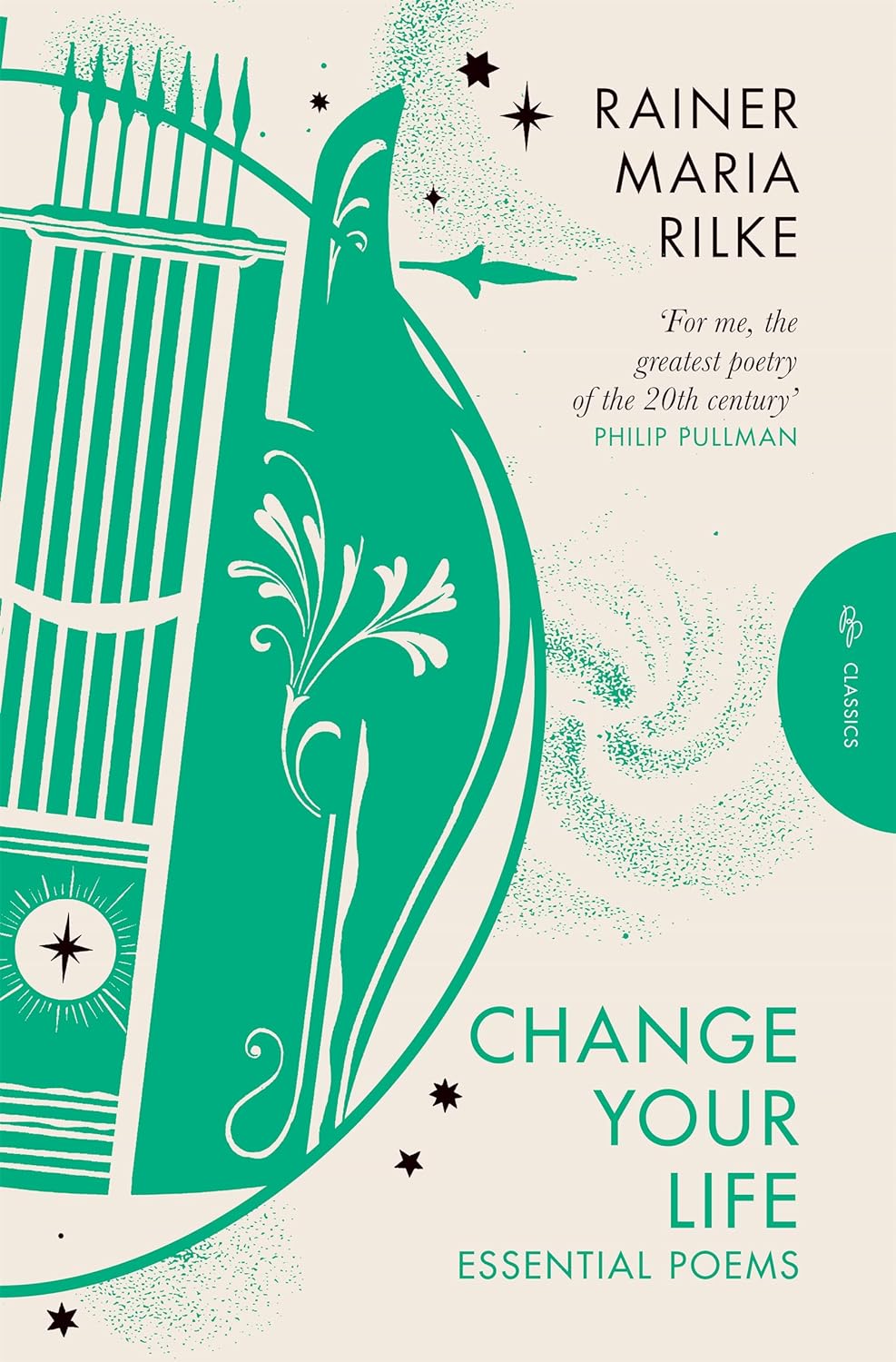
I will be giving a reading from this year’s Pushkin Press publication, Change Your Life: Essential Poems of Rainer Maria Rilke. The reading is being organised, and taking place at Heron Books in Bristol as follows:

Heron Books Unit 5, The Clifton Arcade
Bristol, BS8 4AA United Kingdom + Google Map

Join us for Poetry In Herons with Martyn Crucefix

Join us in the Arcade after hours for our monthly poetry series. 6pm, Saturday 17th August. We will be celebrating the publication of Martyn’s translation of Rainer Maria Rilke’s poetry, Change Your Life

You can buy tickets in advance online or in the shop. For more details and booking click here
Tickets are £4 or free with the purchase of Change Your Life. All tickets include a glass of something sparkling on arrival.

Tickets are fully redeemable against buying the books on the night.
Book orders will be ready for you to pick up and get signed at the event.

And here’s a taster poem – an unusual one from Rilke which perhaps we read these days with an ecopoetic slant – a translation of a poem in German by Rainer Maria Rilke (from New Poems II; The Other Part (1908)

to thrive, content that they lived anywhere,

sharing a sense of kinship, they found signs

of their peers in the ocean’s fluid empire,

which the old sea god, with dripping tritons,

would sometimes stir to tempest and flood;

for there surfaced the creature that showed

itself to be far more than the dumb,

dull-witted breed of fish: blood of their blood,

and distantly inclined to the human.

A school of them, rolling, leaping, appeared,

seeming conscious of the glittering sea:

joyful, trusting, warm-blooded, they wreathed

the sea voyage with their brave assembly

and would sport round the ship’s prow with ease,

as if tracing the curved outlines of a vase,

heedless, blessed, never fearing injury,

now enraptured, breaching, speeding along

and diving deep as if to exchange places

with the waves that calmly bore the trireme on.

And the sailors took these newly discovered

friends into their lives of lonely hazard

and they contrived for these companions—

and believed it true—a world of gratitude,

in which they loved gods and music and gardens

and the year’s silent, deep constellations.

Remembering John Burnside

With yesterday’s announcement of John Burnside’s death, I thought of this review that I wrote in 2006 of his Selected Poems, published by Cape Poetry. His work meant a lot to me around that time and I enjoyed the chance to try to articulate what I found fascinating in it.

John Burnside’s poetry has, for some years now, been offering us a modern egotistical sublime. With Wordsworth, he shares a responsive delight in nature and daunting powers of self-analysis; also similarly, he can slip towards the prolix and portentous and there is something of the same difficulty with projection into another’s experience. But Burnside’s work frequently achieves a moving sublimity without loosening its grip on reality. He is the only contemporary poet who consistently demonstrates the power of a poetic form that is something other than mini fictional narrative, raw confessional, or condensed dramatic monologue. That he is also successful in writing prose makes his achievement all the more impressive.

His work was recognised in the early 1990s despite bucking the trends of secularism, formalism, and plain/street language. His poetry’s brooding intensity lacked laddish brouhaha. The palette was never broad – rural twilights, leaf litter, owls hunting, tracks across snow – but his eye was always on the margins of such things, where the human and the natural met and negotiated. It felt like something spiritual was about to be said or had been articulated and just missed. This was twinned with the powerfully felt absence of fixed personal identity that has remained so deeply engrained in his work. In poems that in many ways were hardly radical, it was this element that made Burnside feel modern. In a self-regarding culture ever more attached to the teats of mobility, individuality, celebrity and fashion, his relentless worrying away at the obscurity of the self, his flirting with its non-existence, struck dissonant but resonating chords.

Burnside’s themes are frequently disturbing. But in a poem like ‘Halloween’ (from The Myth of the Twin, published in 1994) his exquisite ability to conjure up the British countryside proves to be an essential part of the pleasure of reading him. As often, the season is autumn – cold, mostly deserted, snow, rain, “the fernwork of ice and water”. The narrator peels bark from a tree to smell “its ghost” in a characteristic movement from the precisely evoked physical to the almost casually implied spiritual. What the figure in the landscape is trying to do is to “define my place”. Even scraping down in the leaf mould, he finds fungal traces that look “like the first elusive threads / of unmade souls”. Nearby village bells provide “nothing” and the poem typically ends with the figure’s sense of “other versions of myself” on the periphery of vision and these can be taken to imply other futures, untaken pasts, other roles familiarly adopted, even selves beyond the physical – the inconclusiveness is the point.

Burnside has pursued experiments with differing perspectives that were first signalled by the opening and closing poems of The Myth of the Twin. For example, though in the end less successful than its predecessor, Swimming in the Flood (1995)dramatically broadened his poetry’s reach to include the experience of others, often in more extended form and in dramatic monologues. Persecutors and victims inhabit these poems and speak disturbingly of abuse and “the inexplicable / malice of being” (‘Schadenfreude’). This was a turning point in Burnside’s development as what now flooded into the poetry was what had lain buried in the delicacy and tentativeness of the earlier work. In the ‘The Old Gods’ he declares their power is strongest “when anger or fear / is fuzzing the surface, / making us dizzy and whole”. The process of uncovering is shown to be one of healing and this selection includes the sequence called ‘Burning a Woman’ which seems nakedly to speak of the poet’s mother and father. Equally, the ‘Parousia’ sequence (not included in this Selected) ends with what appear to be sceptical reflections on his earlier inquisition beyond the merely physical: “All resurrections are local . . ./ the sign I have waited to see / is happening now / and always”. Here Burnside seems to arrive at a sense of secular miracle (a version of Rilke’s “Hiersein ist herrlich”) less concerned with the reality of religious presence than with the individual’s response to its possibility.

And yet, the dramatic monologues proved something of a cul de sac. With his subsequent work, Burnside has returned to his best subject: himself. Partly what makes the award-winning The Asylum Dance such a magnificent achievement is the development of the fluid poetic form he combines with a second person plural address that achieves the universal without being either hectoring or twee. The influence of William Carlos Williams is obvious, but Burnside extends this beyond a fluent impressionism concerned with the truth of things to encompass a philosophical musing, the lines flickering across the page as if viewed through water. This new selection is too brief to achieve the full sense of his development, but one of the marvels of Burnside’s work is its continuing delivery of extraordinary evocations of the natural world that have become gradually melded with an introspective depth that does not merely offer insight, but sustained meditation. The four long sequences from The Asylum Dance are rightly given space here and constitute a masterpiece in which the poems offer up rich, disturbing, beautiful, precise, profound, and sustained experiences undergone in the act of reading, rather than a lesser poetry’s marshalling of moments of insight and feeling. Burnside’s career already provides ample proof of a fascinating and significant artistic development, and this selection will prove a good starting point for anyone not yet following it.

Poetry in Translation Reading – Crouch End Literary Festival

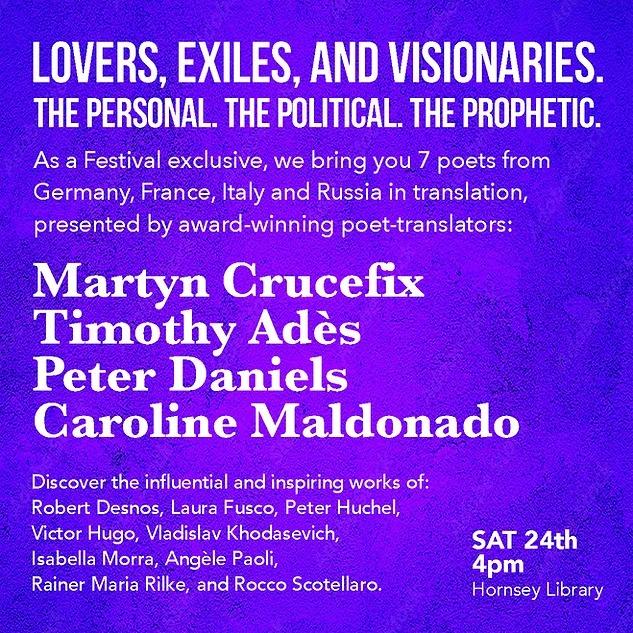
Rather late notice – not wholly down to my own tardiness – but I will be reading work in translation at the inaugural Crouch End Literary Festival this weekend. Do come along if you can. There are plenty of other events scheduled in the Festival, but this one is at 4pm on Saturday 24th February in the Gallery upstairs at the Hornsey Library Haringey Park, London N8 9JA (see map on location and how to get there). The event is free to attend and as you’ll see I am reading alongside poet/translator friends Timothy Ades, Caroline Maldonado and Peter Daniels. The poster, left, is not wholly accurate as I’ll be reading work by Rilke (Pushkin Press) and Peter Huchel (Shearsman Books) and not from my translations of Angele Paoli (that chapbook has been delayed at present). Tim will be reading from his Robert Desnos (Arc) and Victor Hugo; Peter is reading from his Vladislav Khodasevich and Caroline will (I think) be reading from her Smokestack books of work by Scotellaro and Laura Fusco.

Here are more details about the 4 of us:

Timothy Adès is a rhyming translator-poet with awards for, among others, the French poets – Victor Hugo (1802-1885) and Robert Desnos (1900-1945). Both were enormously prolific and engaged passionately with the issues of their times. Timothy is a much-praised translator with further published books from Spanish, French, and (coming soon) the German of Ricarda Huch. He runs a bookstall of translated poetry and is a member of the Royal Society of Literature and a Trustee of Agenda poetry magazine. His translations have won the John Dryden prize and the TLS Premio Valle Inclán prize. Find him on Facebook and YouTube and his website is http://www.timothyades.com

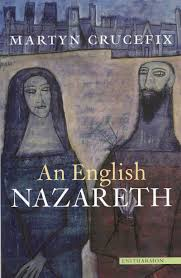
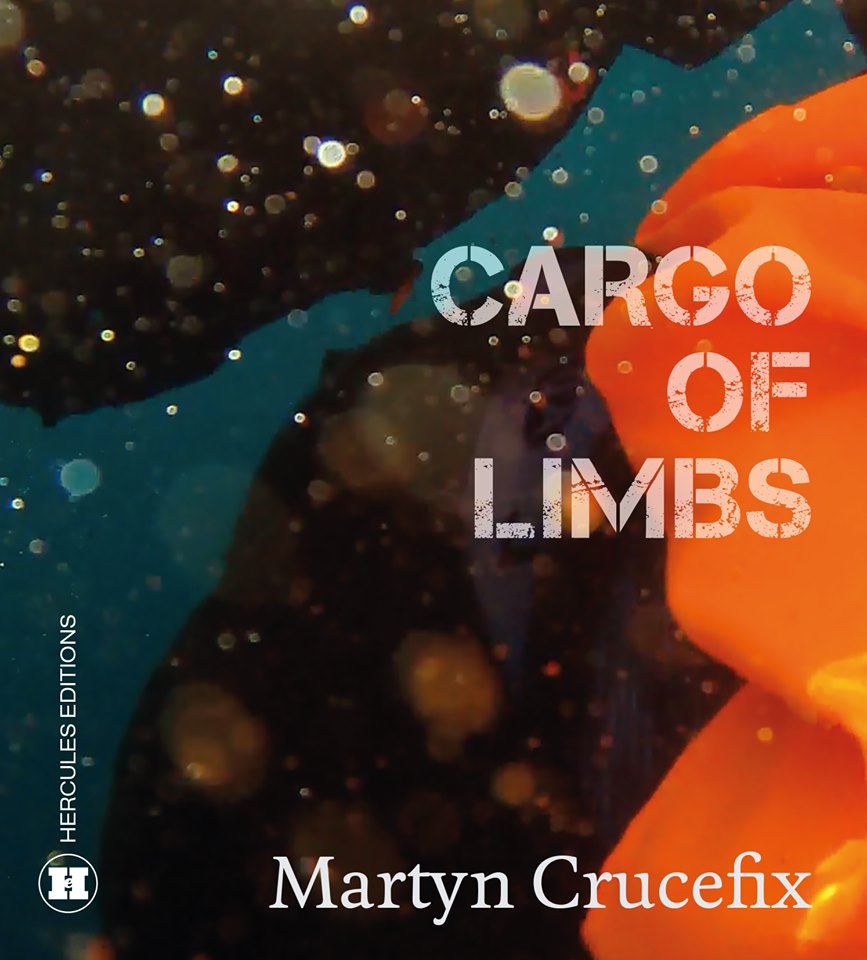
Martyn Crucefix is the author of seven original collections of poetry, most recently Between a Drowning Man (Salt, 2023) and Cargo of Limbs (Hercules Editions, 2019). Awards include an Eric Gregory award, a Hawthornden Fellowship, and the Schlegel-Tieck Prize for translations (from the German) of the poems of Peter Huchel. His translation of Rainer Maria Rilke’s Duino Elegies (Enitharmon, 2006) was shortlisted for the Popescu Prize for Poetry Translation. A major Rilke selected poems, Change Your Life, will be published by Pushkin Press in 2024. Till recently a Royal Literary Fund Fellow at The British Library, he also edits the Acumen Poetry Magazine Young Poets web page. Website at http://www.martyncrucefix.com

Peter Daniels’ most recent original books of poetry are Old Men (forthcoming, Salt 2024) and My Tin Watermelon (Salt, 2019). His acclaimed translations from the Russian of Vladislav Khodasevich appeared in 2023 from Angel Classics and was a Poetry Book Society Recommended Translation. Other publications include Counting Eggs (Mulfran Press, 2012) and the pamphlets Mr. Luczinski Makes a Move (HappenStance, 2011) and The Ballad of Captain Rigby (Personal Pronoun, 2013). Peter has won first prizes in the 2010 TLS Poetry Competition, the 2010 Ver Poets Competition, the 2008 Arvon competition, the 2002 Ledbury competition, and has twice been a winner in the Poetry Business pamphlet competition. Website at https://www.peterdaniels.org.uk

Caroline Maldonado is a poet and translator living in London and Italy. She has worked in community regeneration, in law centres and with migrants and refugees in London. She chaired the Board of Trustees of Modern Poetry in Translation until 2016. Publications of her own work include the pamphlet What they say in Avenale (Indigo Dreams Publishing, 2014) and a full collection Faultlines (Vole Books, 2022). Translations include Isabella (Smokestack Books, 2019). Other translations (all published by Smokestack Books) are poems by Rocco ScotellaroYour call keeps us awake (2013), co-translated with Allen Prowle, and two collections of poems by Laura FuscoLiminal (2020), which received a PEN (UK) Translates award, and Nadir (2022). More at http://www.poetrypf.co.uk/carolinemaldonadobiog.shtml

Ian Brinton reviews ‘Between a Drowning Man’

Here is Ian Brinton‘s recent review of my new Salt collection, Between a Drowning Man. It was first published by Litter Magazine in January 2024.

The invitation at the opening of these two remarkable sequences of poems by Martyn Crucefix emphasises both ‘difference’ and ‘ambiguity’, an ‘othering’ which hones attention rather than dulling it.

Divided into two sections, Works and Days (forty-nine poems) and O, at the Edge of the Gorge (fourteen poems) the two landscapes bring into focus a post-2016 Britain and the countryside of the Marche in central, eastern Italy. The leitmotif which threads its pathway, its recurring echo, through the first section is of ‘all the bridges’ being ‘down’ and the epigraph to section two is a quotation from Canto 16 of Dante’s Paradiso in which cities pass out of existence through warfare or disease and that which may have seemed permanent is continuously in movement. That second section of poems is a sequence of sonnets and in the final one the hawk’s resting place in the ‘shivering of poplars’ sways so that he is neither falling nor at ease

with these thinnest of airs beneath him

these shapes of loose knotted mesh

these whisperings that cradle him on a whim

That ‘othering’ prompts the poet to see the differences that are ‘like crimes woven into the weft’ and, in a way that William Blake would have recognised in his ‘A Poison Tree’, envy can be ‘buried long years in the black heart / of expressed admiration’ and ‘sunshine’ can be ‘really the withering of night’ which is ‘poured into soil where wheat grows’. And so it is—‘in and around and over and above’ because ‘all the bridges are down’. 

In April 2007 Jeremy Prynne wrote some notes for students about poems and translation:

Translation is for sure a noble art, making bridges for readers who want to cross the divide between their own culture and those cultures which are situated in other parts of the world; and yet a material bridge is passive and inert, without any life of its own, whereas a poetic translator must try to make a living construction with its own energy and powers of expression, to convey the active experience of a foreign original text.

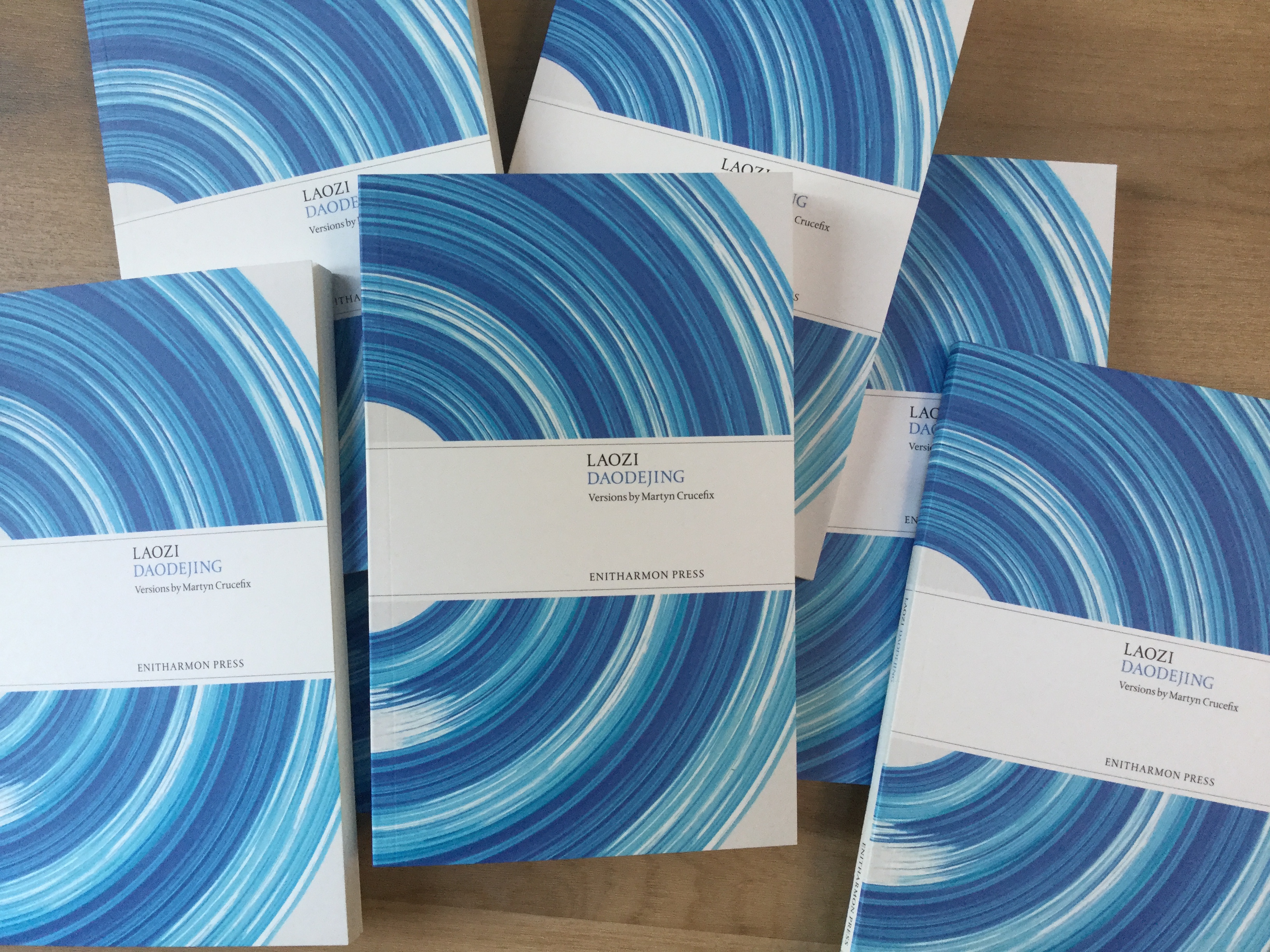
As a translator of real distinction (Rilke’s Duino Elegies and The Sonnets to Orpheus) Crucefix has for many years made these living constructions offering readers a gateway into new experiences whether it be through the world of Laozi’s Daodejing (Enitharmon Press, 2016) or through these new poems which offer echoes both of Hesiod’s Work and Days and the poems known as a vacanna which originated in the bhakti religious protest movements in 10-12th century India. His understanding of the central role language plays in our lives, that creation of bridges between humans, was one of the deeply moving and memorable moments in his collection from Seren in 2017, The Lovely Disciplines. There the poem ‘Words and things’ presented an elderly individual who discovered ‘too late this absence of words’ which now ‘builds a prison’ and Crucefix recognised that ‘a man without language is no man’: as the world of objects becomes too difficult to dominate he can only have knowledge of a world which ‘turns in your loosening grip’. The echo of Yeats’s ‘The Second Coming’ is surely no accidental one!

Translations are bridges, language is a bridge, and the distressing recognition of isolation within numbers is the dominant image in ‘fifteen kilometres of traffic’ from the first section of this new book:

fifteen kilometres of traffic wait before us

behind us the infinite tail

we are offered Google Map options

yet those trumpeted ten minute economies

are nothing till they can be proved

you make a choice you go your own way –

this has been better said before of course –

you cannot take the other way

and remain a unitary being on two paths

or perhaps sane – all roads crawl north

because multiple millions of cars crawl north

because all the bridges are down

Those ten minute trumpetings bring the world of Orwell’s 1984 to my mind as loud announcements of positive news seem to possess a tinny emptiness to the understanding of the isolated human who exists in a world of no bridges.

However, in contrast to this wave of uniformity one reads moments of ‘othering’ in the second section of this book as in ‘sharpening gusts along the valley floor’ a scrap of air was birthed

whirling inches above a littered drain

in a back street of some hilltop town

like Urbisaglia or some place that has seen

and has survived change of use

from sacred temple to church to slaughterhouse

and no gully nor hill can stop it

In this moving world ‘great swathes of air’ gather strength to flex ‘all things to a scurrying to keep up / and the truth is some will and some will fail’.

In a poem titled ‘can you imagine’ (for my children) from the first section of Between a Drowning Man the power of language to translate the invisible onto the page is presented with an unerring eye focussed upon reality. In a world in which he no longer shares the companionship of others the poet is carried safely because although ‘you find the bridges between us fallen down’ and although ‘you mourn’ you can still ‘imagine’. That sense of continuity held in the imagination is far from the image of Alan Kurdi, the three-year-old Syrian boy drowned on the beach near Bodrum, Turkey, in 2015 whose death was recorded by Crucefix’s earlier book, Cargo of Limbs, from Hercules Editions in 2019. The boy’s family had fled from the war engulfing Syria in the hope of joining relatives in the safety of Canada and became ‘part of the historic movement of refugees from the Middle East to Europe at that time’:

In the early hours of September 2nd, the family crowded onto a small inflatable boat on a Turkish beach. After only a few minutes, the dinghy capsized. Alan, his older brother, Ghalib, and his mother, Rihanna, were all drowned. They joined more than 3,600 other refugees who died in the eastern Mediterranean that year.

In this new book that ‘whim’ of a resting place for the hawk, those ‘whisperings’ prompt the bird, the poet, ‘to call it yet more steady perhaps’:

this whim—this wish—this risky flight

in the fleeting black wake of the carpenter bees

Mat Riches reviews ‘Between a Drowning Man’

Many thanks to Mat Riches for this fulsome and acute reading of my recent collection from Salt Publishing. The review first appeared on The High Window – Jan 2024

The introduction to the first section of Between a Drowning Man states that it draws on two texts. The first is Hesiod’s Works and Days, and the second of which is described as

the type of poem known as a vacanna originated in the bhakti religious protest movements in 10-12th century India. using plain language, repetition and refrain they were written to praise the god, Siva, though also expressed a great deal of personal anger, puzzlement, even despair about the human condition […]

This helped put everything into context for what followed. One third of the way in I started to think of it as a man shouting at clouds in book form, of someone railing at things in the world that are beyond our control. And maybe it is all of this, but it also much more than this. I think it becomes a lesson in acceptance.

In a post on his own Blog, Crucefix describes these poems as starting to arrive after reading the vacanna poems in 2016, and how the poems began to accumulate after that while ‘staying in Keswick at the time and I vividly remember scribbling down brief pieces at all times of the day and night’ and of having been influenced by Brexit (the bridges are down indeed). However, he also describes in a follow up post that:

I thought of the poetry I was writing as a quite narrowly focused topical intervention, but in the last 4 or 5 years …the poems have come to seem less dependent on their times and more capable of being read as a series of observations – and passionate pleas – for a more generous, open-minded, less extremist, less egotistical UK culture.

And while the Brexit reading is there, these poems speak more to grounding a modern and disconnected world (despite plenty of references to devices for and modes of communication—we’ll come back to that shortly) in timeless themes like love and desire, parenting, ageing, joy in nature, false idols, and much more, and this is just in the first twenty or so pages.

Picking one of those themes at random, we can see how false idols are covered, but also how deftly he weaves in modern references to something that is both timeless, and of its time, and with that very human. In ‘the six pack on the side’ we are told:

the clock is a sinister and impassive god
for the ancients rumour was a kind of god

the god of WiFi when we curse its absence
and when did difference become a god

We have always been a narcissistic species that pays attention to gossip (‘rumour was a kind of god’), but while our gods have changed as the centuries have passed, we still curse our gods when they forsake us. Not a bad return for a 19-line poem in my opinion.

In order to achieve the ‘more generous, open-minded, less extremist, less egotistical UK culture’ we can see several pleas for more open lines of communication throughout the poems. Some are located in the specific and familial, as in ‘watch the child’ and its discussion of a child chattering away to herself in a coffee shop with her ‘bright picture book’ juxtaposed with ‘her mother at her cooling latte / at her macchiato / at her cooling skinny medium cappuccino // […] her mother’s ears wired casually // with two scarlet buds.

The child is broadcasting and communicating in a carefree way vs the mother’s more deliberate inward-looking approach, a shutting the world out for some respite. And while this could be a judgmental poem; it’s not. It feels like an invitation to consider both sides, both needs here. The refrain of ‘all the bridges are down’ lands particularly well here, both for the protagonists of the poem, but also for the reader.

However, while some pleas are located in the specific there are some more general ones to be found. In ‘he thought of this time’ one man recounts a litany of disappointments and emotions from his father. The poem draws from Hesiod and his idea of the fifth age where modern man was created by Zeus to be evil, selfish, weary, and burdened with sorrow. It’s a two-footed tackle on humanity from the whistle:

he thought of this time as a fifth age
that he’d be better off dead or not yet born
working all day he would fear the night
had heard of children born prematurely grey
and the fraying bond between fathers
and sons between mothers and daughters
between host and guest between different races

It continues without reprieve about a world where:

[…]the hopeless
are advanced and further advancement
lavished for no more than just chancing it
respect a word more spoken than heard
the educated full of corrosive cleverness
and compassion the greatest of virtues
an ebbing tide you see where it glints
on the horizon

At the time of writing, it’s easy to feel like these lines are as contemporary as it’s possible to be, and yet it’s arguable they are evergreen observations about humanity. However, I suspect that’s the point.

We’ve touched upon references to modern-day totems like WiFi, coffee types and headphones already, but this section is filled with them. Further examples include references to Google Maps and ‘five-star online reviews’ in ‘fifteen kilometres of traffic’ and ‘stoke a fire under your silk blouse’ respectively.

This all reaches its zenith in the final poem of the section, ‘this morning round noon’. The poem moves from personal notes about scattering ashes, a son’s birthday (and him being in huge debt at 21, one presumes from being at university) through to:

an American punk band form Nashville
posting abuse about a young Buddhist woman
refusing anaesthetic

The lines are punctuated by phrases like ‘likesharelike’ or ‘likeclicklike’ or ‘smileyfaceicon’. It’s the diaristic nature of the whole section writ large and transmitting thoughts to the page (albeit the printed page, not the Facebook page) as they occur. As an aside, this running together of words, coupled with the entire book’s distinct and clearly deliberate lack of punctuation (save a few dashes here and there) add to the observational nature of the poems, of thoughts being pulled from the ether. However, this is very much not to say that these poems aren’t considered and crafted—they very much are.

The final line of the poem and section is ‘I say the Pantone chart is one of my favourite things’, and while the poem that proceeds this line could be read as a darker version of the Sound of Music classic, less Raindrops on roses and more ‘I was hit by a car likeshare’, but I prefer to take it as a sign that the poem end on acceptance of nuance, variation and being able to communicate the same needs.

As the first section comes to an end there are two poems where the last line of one resurfaces as the start of the next, and it feels like a teaser for what follows in the second section, O. at the Edge of the Gorge.

This was previously published as a pamphlet by Guillemot Press in 2017 and is a crown of sonnets. After the hectic modernity of the first section, there is much to be said for the relative calm of following a traveller, Orpheus, on a journey through Italian countryside observing ‘Glossy fleet black clods of carpenter bees / swirl at the corner of the house / then sink onto spindly lavender stems / alight on blooms stooped // with the weight of insect lives’.

It’s a beautiful opening and a beautiful image that should perhaps be filmed and used as a fine example of what was briefly known as slow TV and shown on BBC4, but in the second poem he describes ‘astronomical time marked by light’ as the sun descends the gorge and church bells tolling, but:

yet come nightfall a different sense
these same sounds sound notes more chilling…

A very real sense of for whom the bell tolls, indeed. As the traveller wends their way round the area, taking notes and sketches of birds, a ‘flock of white doves’, that darkness returns in the form of a buzzard in the eighth sonnet, and gets deeper still in the ninth where he mentions:

like Urbisaglia or some place has seen
and survived change of use
from sacred temple to church to slaughterhouse
and no gully nor hill can stop it

Urbisaglia is an ancient town in Mid-East Italy that became the site of an internment camp during the second world war, and that knowledge adds further weight to the stanza that begins sonnet ten:

The truth is some survive a while most fail
to conceive the scale of paperwork
to follow change of use from church to temple
next to slaughterhouse.

The cruelty of humanity to itself is mirrored in the “bloody festival / of the bird” in sonnet thirteen as it discusses a raptor above the gorge, and the final sonnet off this crown muses on the fragility of life:

All creatures die sooner blind to the hawk—
left clutching no more than this
as if the hammock he occupies each
and all night too as if strung out

[…]
not falling yet not ever at ease

‘not ever at ease’ could so easily be a final motif for the whole collection. There is a sense that the learnings of this collection are hard won, but there is a connection to the wider world to be had, and that we can find comfort in travelling through it. The final lines of ‘you are not in search of’ in the first section seem apt as a place to leave it:

you might say this aloud—by way of ritual—
there goes one who thought much of life

who found joy in return for a little gratitude.

Mat Riches is ITV’s unofficial poet-in-residence. Recent work has been in Wild Court, The New Statesman, The Friday Poem, Bad Lilies, Frogmore Papers and Finished Creatures. He co-runs Rogue Strands poetry evenings. A pamphlet called Collecting the Data is out via Red Squirrel Press. Twitter @matriches Blog: Wear The Fox Hat

Two new prose poems at Black Nore Review

Many thanks to Ben Banyard for accepting these two recent experiments in prose poetry. Do check out other postings on Ben’s site at Black Nore Review. Click on Martyn Crucefix – two poems below to read the pieces.

Ben’s details are as follows: Ben Banyard lives in Portishead, near Bristol. His three collections to date are Hi-Viz (Yaffle Press, 2021), We Are All Lucky (Indigo Dreams, 2018) and Communing (Indigo Dreams, 2016). He blogs at https://benbanyard.wordpress.com