It has been a long time since I last posted anything substantial on my blog. In the great scheme of things pandemic, this will not have been remarked upon; though for anybody out there who has noticed, I send my apologies. A particular disappointment is that I have not been able to review this year’s shortlisted Forward First Collections (and the announcement of the winner is almost upon us). For what it’s worth, I think Caleb Femi will win with his Penguin collection, Poor. I still hope to review some of the shortlist, in the near future.
Though I have managed a couple of book reviews (on Pia Tafdrup’s new Bloodaxe collection, on Charlie Louth’s excellent book about Rilke) to be published elsewhere, alongside this blogging drought there has been a more significant one (for me at least): I have hardly managed to write any poetry of my own for well over nine months now. Even the few things I managed to draft (especially at the height of the Covid second wave (last January)), I have signally failed to return to and they may all now fall by the wayside. In moments, it is as if I have forgotten HOW to write a poem; a questioning of the importance of this solitary business; a simple lack of external stimulation perhaps. The one thing I have been able to do during this awful period is more translation. I have (happily) been commissioned to complete exciting projects for two publishers (publication dates off into 2023 in both cases) and I hope to say more about these in later blogs. Yes, my intention is to get back to blogging more regularly.
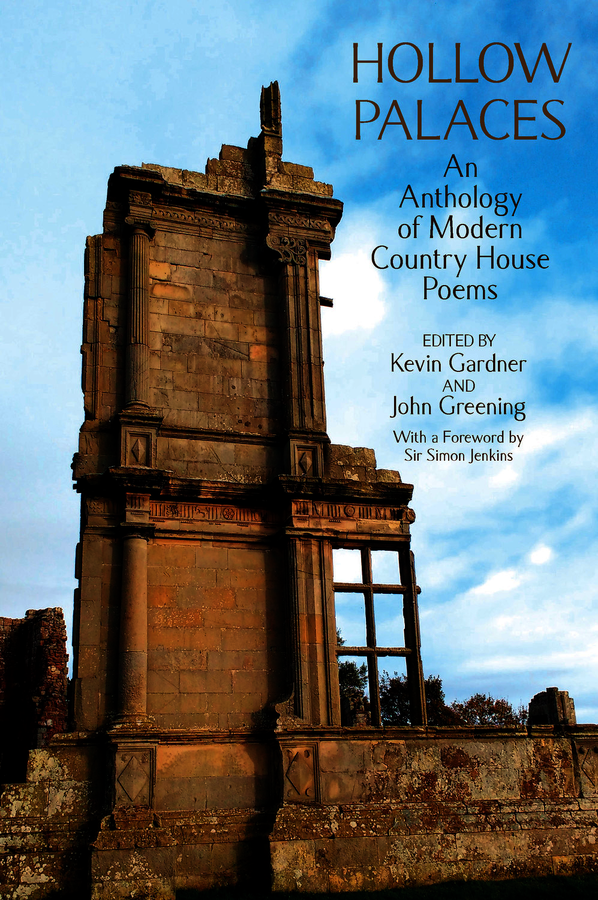
It has also been a long time since I gave anything resembling a public reading. But last Sunday afternoon I travelled with poet, Hilary Davies, out of London to Kimbolton School, north of Bedford for an actual in person book launch! The book was the sumptuous new anthology, Hollow Palaces, published by Liverpool University press and edited by John Greening and Kevin Gardner from Baylor University in the USA. The book is the first complete anthology of modern country house poems, including over 160 poets from Yeats and Betjeman to Heaney, Boland, Armitage and Evaristo.

The venue was fittingly grand. Kimbolton Castle is a country house in the little town of Kimbolton, Huntingdonshire and it was the final home of King Henry VIII’s first wife, Catherine of Aragon. Originally a medieval castle, it was later converted into a stately palace and was the family seat of the Dukes of Manchester from 1615 until 1950. It now houses Kimbolton School and this is where John Greening taught for a number of years (alongside Stuart Henson, another poet represented in the anthology).
With the declining sun streaming in through the opened French windows, looking out across the school playing fields, after an introduction from Kevin Gardner, we each read a couple of poems from the anthology. So – amongst others – John Greening read ‘A Huntingdonshire Nocturne’ about the very room we were assembled in, a subtle take on English history and education, Ulster and Drogheda. Hilary Davies’s poem rooted in Old Gwernyfed Manor in Wales, was a fantasy of lust, sacrifice, murder and hauntings. Stuart Henson’s compressed novelistic piece mysteriously described the murder or suicide of a Fourteenth Earl. Anne Berkeley remembered childhood isolation and bullying at a dilapidated Revesby Abbey. Rory Waterman re-visited the ruins of an old, tied lodge-house his grandmother once lived in. Lisa Kelly’s chewy foregrounded language (‘O drear, o dreary dreary dirge for this deer’) shaped itself into a sonnet. Rebecca Watts looked slant and briefly at Ickworth House, a glimpse of bees in lavender. Robert Selby was at Chevening, considering the clash of perspectives between the tourist’s casual gaze and the realities of tombs, time and history.
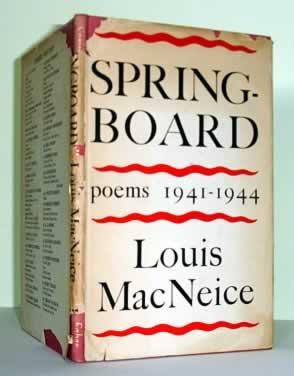
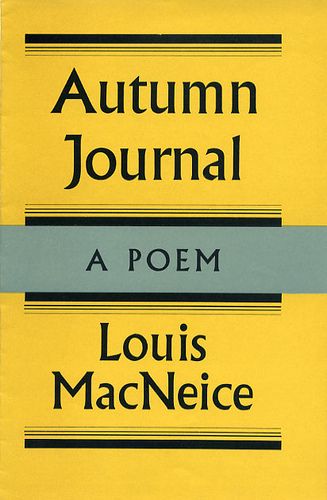
I chose to read Louis MacNeice’s brilliant, late poem ‘Soap Suds’. Written in 1961, he is remembering the grand house called Seapark which overlooks Belfast Lough. Jon Stallworthy has called the poem a ‘Proustian daydream’, the simple act of washing one’s hands acting as the trigger for remembrance of time past. What appeals to me about the poems is its subtle handling of several times periods: the ageing man washing his hands, looking back to idyllic occasional visits to the house, as well as later, less happy times there (the house belonged to Thomas Macgregor Greer, only brother of MacNeice’s step-mother), the imagery beginning to verge on the nightmarish. (For another blog on MacNeice’s work click here.)
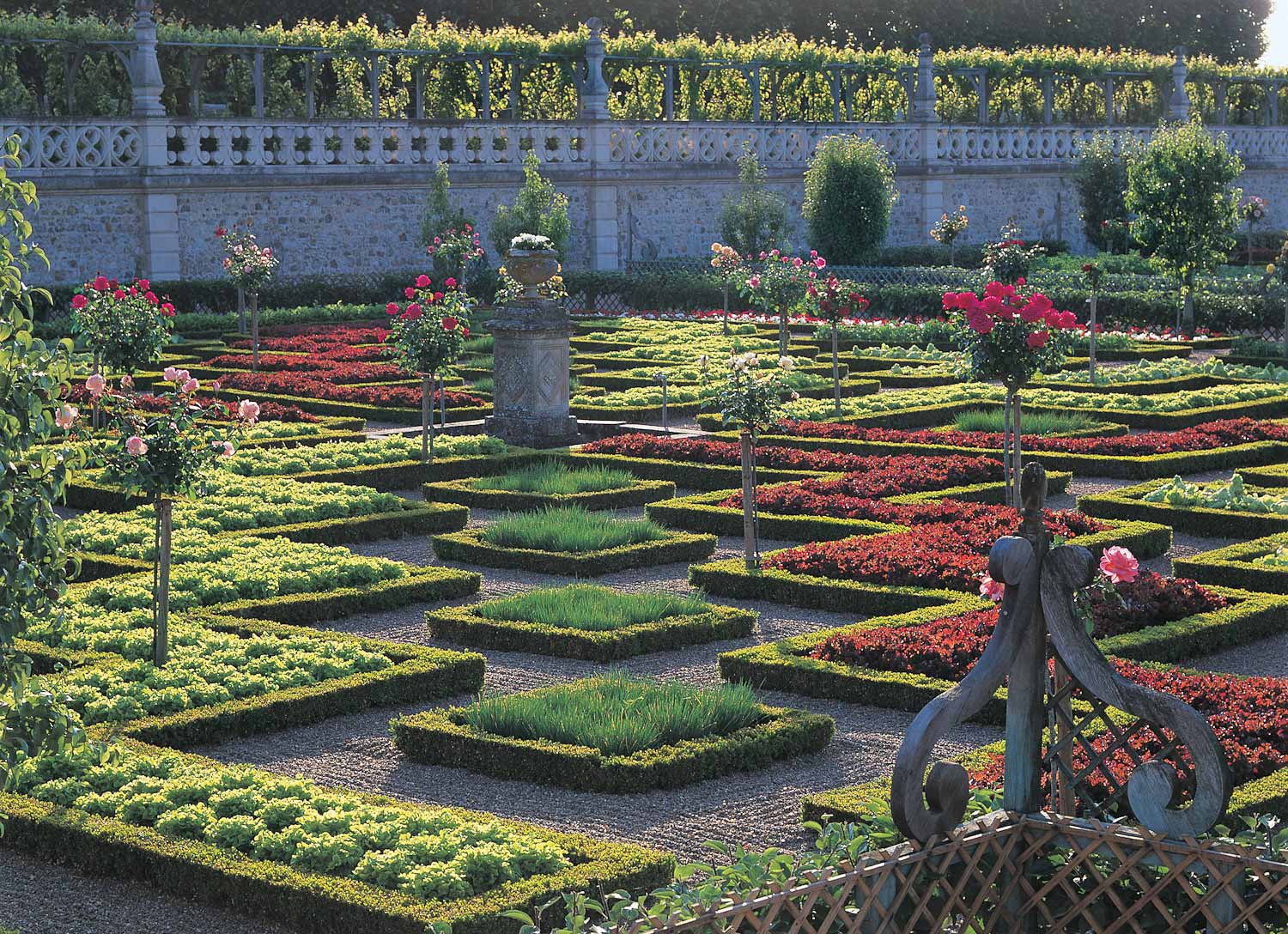
My own poem in the book, as yet unpublished elsewhere, is called ‘Our Weird Regiment’. The poems remembers a compilation of country house visits over the years. One was a visit to the French chateau at Villandry where the formal gardens, I remember, were not conventionally planted with flowers but with vegetables and herbs. I’m posting the text to MacNeice’s as well as my own poem, alongside the phone video (made by Jane Greening) of the 5/6 minute reading I gave at Kimbolton.
Soap Suds by Louis MacNeice
This brand of soap has the same smell as once in the big
House he visited when he was eight: the walls of the bathroom open
To reveal a lawn where a great yellow ball rolls back through a hoop
To rest at the head of a mallet held in the hands of a child.
And these were the joys of that house: a tower with a telescope;
Two great faded globes, one of the earth, one of the stars;
A stuffed black dog in the hall; a walled garden with bees;
A rabbit warren; a rockery; a vine under glass; the sea.
To which he has now returned. The day of course is fine
And a grown-up voice, cries Play! The mallet slowly swings,
Then crack, a great gong booms from the dog-dark hall and the ball
Skims forward through the hoop and then through the next and then
Through hoops where no hoops were and each dissolves in turn
And the grass has grown head-high and an angry voice cries Play!
But the ball is lost and the mallet slipped long since from the hands
Under the running tap that are not the hands of a child.
x
Our weird regiment by Martyn Crucefix
How the rich impress us
with what they own
displaying family photos
on the piano lid
as if no different
x
to those of us who shuffle
through elaborate rooms
or glance aside
through leaded glass
x
into formal gardens
where cabbage
potato and mint perhaps
chive and marjoram
x
are elegantly deployed
to be admired
not cooked or eaten
our guide explains
x
the farmlands purchased
to the churchyard wall
and then beyond it
every mound ploughed
x
and levelled in accord
with his lordship’s
goose-feathered whim
yet a scattering of bones
x
has assembled itself
in a heap at the gate
now beyond the gate
x
our weird regiment
lurches into the road
a swaying of skulls
and whitened knucklebones


 Some films stick in the mind for reasons beyond the cinematic, don’t they? In the 2003 comedy Bruce Almighty, Jim Carey plays the character of God and, along with more obviously useful powers, he has to respond to the prayers of the world. But people are always praying! He rapidly approaches a kind of madness as voices swim around him, clamouring for attention. He takes to reading the prayers in the form of e-mails. He tries to answer them individually but is receiving them faster than he can possibly respond. He decides to set his e-mail account to automatically answer “yes” to all, assuming that this will make everybody happy. Of course, it does not.

 Perhaps one explanation of why the question ‘what is poetry?’ is so difficult to answer is because it is, to a large extent, an art of the negative, of avoidance.
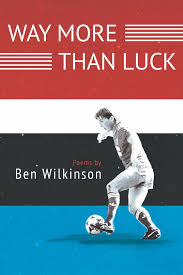 I’m not proud to admit that Way More Than Luck passed me by when it was first published. As you are probably aware, Wilkinson reviews poetry regularly for The Guardian, and he’s very familiar on social media as a poet and critic, a distance runner and a passionate Liverpool football fan. But the book’s cover (Dalglish, I think), its title and some of the publicity persuaded me that the football bit was going to be predominant. It’s certainly an almost unique aspect of the collection, but it turns out the debilitating darkness of psychological depression is an even more significant one. Wilkinson signals this concern via the book’s two epigraphs. One is about the nature of depression
 For me, it’s these psychological truths that Wilkinson is so good at conveying. There are other poems later in the book (and perhaps ‘Stag’ is an elusive example) which begin to sketch episodes of a foundering romantic relationship and ‘Building a Brighter, More Secure Future’ is a very effective excursion into witty political satire (a skilfully handled sestina based on the Conservative Party election manifesto, 2015). And there are the football poems. They comprise the central sequence of 14 poems, introduced with a heart-felt Prologue that says what follows is for the ordinary football fans, written out of “a love beyond the smear campaigns, / the media’s hooligans”. A large part of what Wilkinson has in mind here is the shocking response in parts of the media to the Hillsborough tragedy in 1989, when 96 men, women and children died (David Cain’s Forward prize shortlisted book, Truth Street, from Smokestack Books, movingly dealt with this event and the media and policing responses and
  But the poems also show how difficult it is to escape the miasma of cliché that seems to engulf football itself. Anfield is filled with a “fabled buzz”, then “the place erupt[s]”. Barnes unleashes a “a sweeping, goal-bound ball”, and a particular game offers one “last-ditch twist”. I’m reminded of Louis MacNeice’s observation (now sadly compromised in various ways, but the spirit of it remains valid, I think) that he wanted a poet not to be “too esoteric. I would have a poet able-bodied [sic], fond of talking, a reader of the newspapers, capable of pity and laughter, informed in economics, appreciative of women [sic], involved in personal relationships, actively interested in politics, susceptible to physical impressions’. There are many more of these poets around these days and to bring (even) football into the purview of poetry can hardly be a bad thing. Yet it is not an easy one and there may be some risks in deciding to headline the attempt. Ian Duhig’s blurb note to Way More Than Luck has gingerly to negotiate this issue: “The beautiful game inspires some beautiful poems in Ben Wilkinson’s terrific debut collection … but there’s far more than football to focus on here”. Yes, indeed.
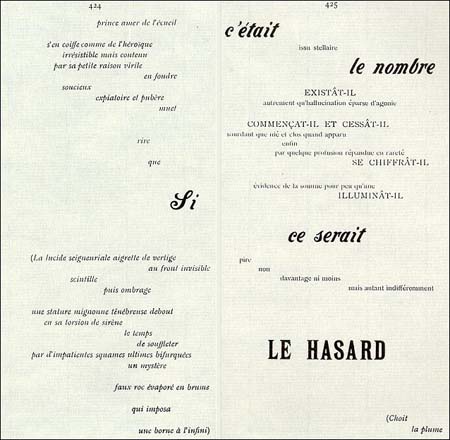
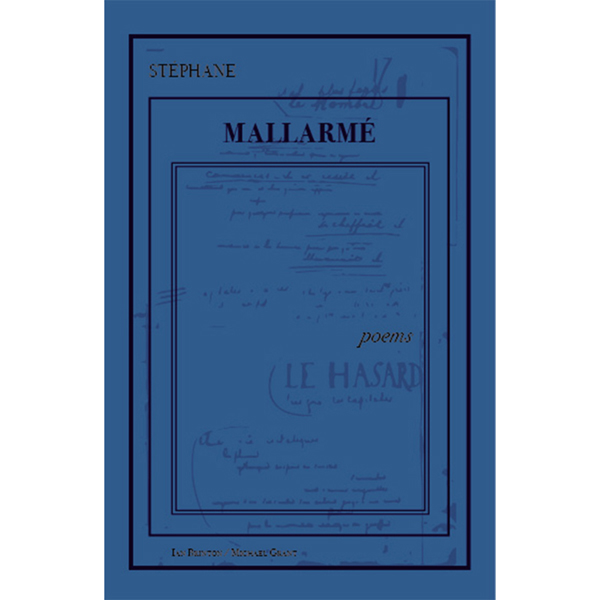 I am very grateful to Ian Brinton’s and Michael Grant’s recent translation of a selected Mallarmé (Muscaliet, 2019) for sending me back to a poet who has always proved problematic for me. My natural inclination draws me more to Louis MacNeice’s sense of the “drunkenness of things being various” (‘Snow’) – his emphasis on poetry’s engagement with “things” – and his desire to communicate pretty directly with his fellow wo/man, than with what Elizabeth McCombie bluntly calls “the exceptional difficulty” of Mallarmé’s work. I appreciate that such a dichotomy seems to shove the French poet into an ivory tower (albeit of glittering and sensuous language) while casting the Irish one as too narrowly engagé, but I’m also aware that Sartre praised Mallarmé as a “committed” writer and that, despite some evident remoteness from the ‘tribe’, the French poet’s political views were both radical and democratic.
 So, if we must give up on such ‘understanding’, what was Mallarmé – writing in the 1880-90s – doing? Something recognisably very modern, it turns out. Contra Wordsworth (and MacNeice, I guess), Mallarmé and his Symbolist peers, held ordinary language in suspicious contempt as too ‘journalistic’, too wedded to a world of facts. Poetry was to be more a communication, or evocation, of emotion, of a detachment from the (merely) everyday and a recovery of the mystery of existence which rote and routine has served to bury. Such a role demanded linguistic innovation as suggested in ‘The Tomb of Edgar Poe’ in which the American writer is praised for giving “purer meaning to the words of the tribe” (tr. Brinton/Grant). Writing about Edouard Manet’s work, Mallarmé saw the need to “loose the restraint of education” which – in linguistic terms – would mean freeing language from its contingent relations to the facticity of things (and the tedium and ennui that results from our long confinement to them) and hence moving language nearer to what he called the “Idea” and the paradoxical term Nothingness (as Brinton/Grant translate “le Neant”).
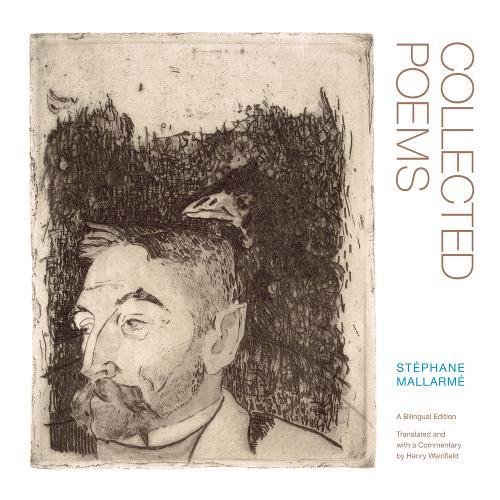 For these reasons, Mallarmé “cede[s] the initiative to words” (‘Crise de Vers’), to language’s material aspects as much as to its referential functions. Carrying over the material aspects of his French verse into English is then, to say the least, difficult. I’m inclined to agree with Weinfield (Introduction to Stephane Mallarmé Collected Poems (Uni. Of California Press, 1994) that it is “essential to work in rhyme and metre, regardless of the semantic accommodations and technical problems this entail[s]. If we take rhyme from Mallarmé, we take away the poetry”. But is that even possible? The accommodations and problems that arise are huge! Mallarmé placed the sonnet, ‘Salut’, at the start of his Poésies as a toast, salutation and mission statement. Weinfield gives the sestet as follows: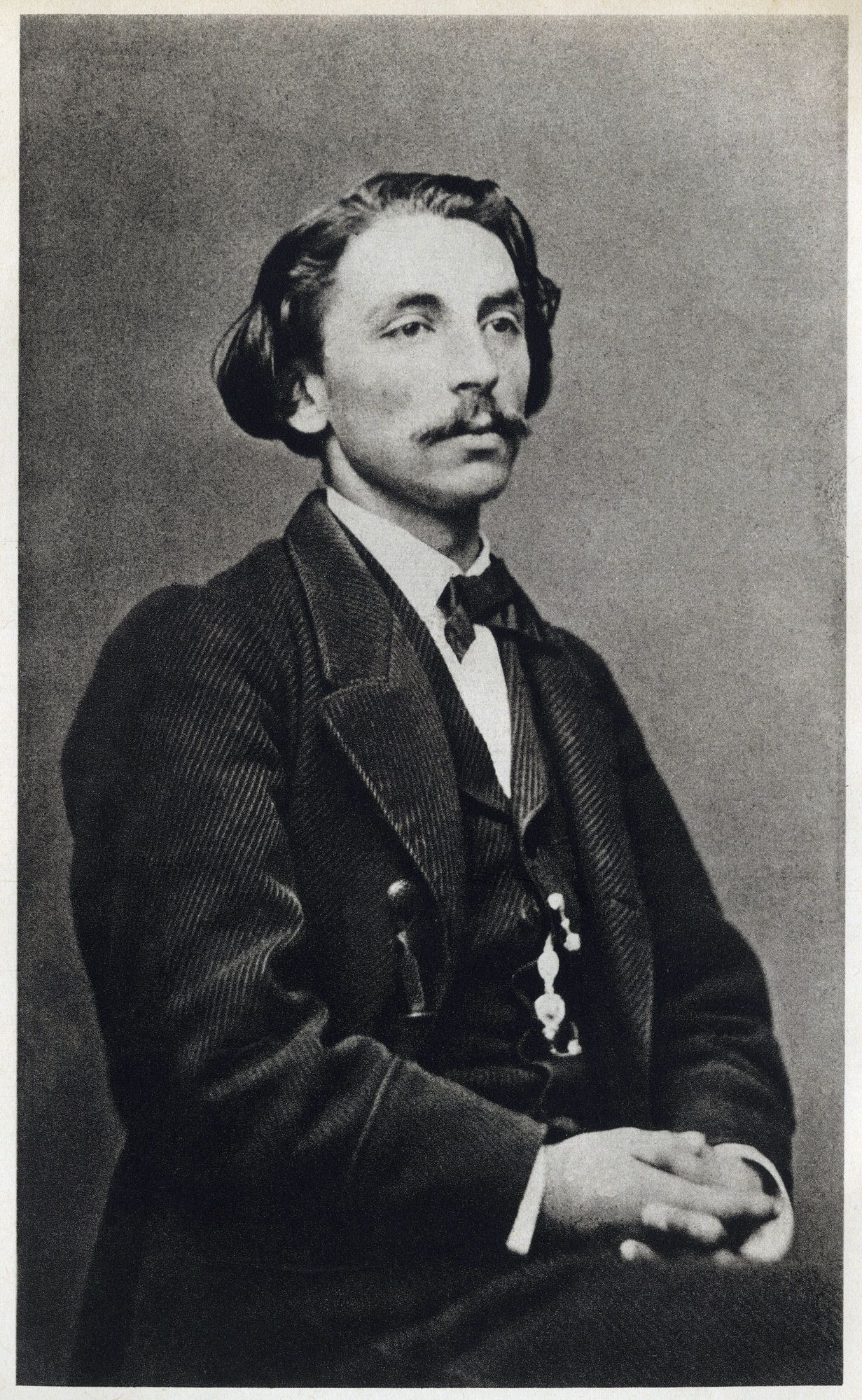












 Martyn Crucefix