Mat Riches reviews ‘Between a Drowning Man’

Many thanks to Mat Riches for this fulsome and acute reading of my recent collection from Salt Publishing. The review first appeared on The High Window – Jan 2024

The introduction to the first section of Between a Drowning Man states that it draws on two texts. The first is Hesiod’s Works and Days, and the second of which is described as

the type of poem known as a vacanna originated in the bhakti religious protest movements in 10-12th century India. using plain language, repetition and refrain they were written to praise the god, Siva, though also expressed a great deal of personal anger, puzzlement, even despair about the human condition […]

This helped put everything into context for what followed. One third of the way in I started to think of it as a man shouting at clouds in book form, of someone railing at things in the world that are beyond our control. And maybe it is all of this, but it also much more than this. I think it becomes a lesson in acceptance.
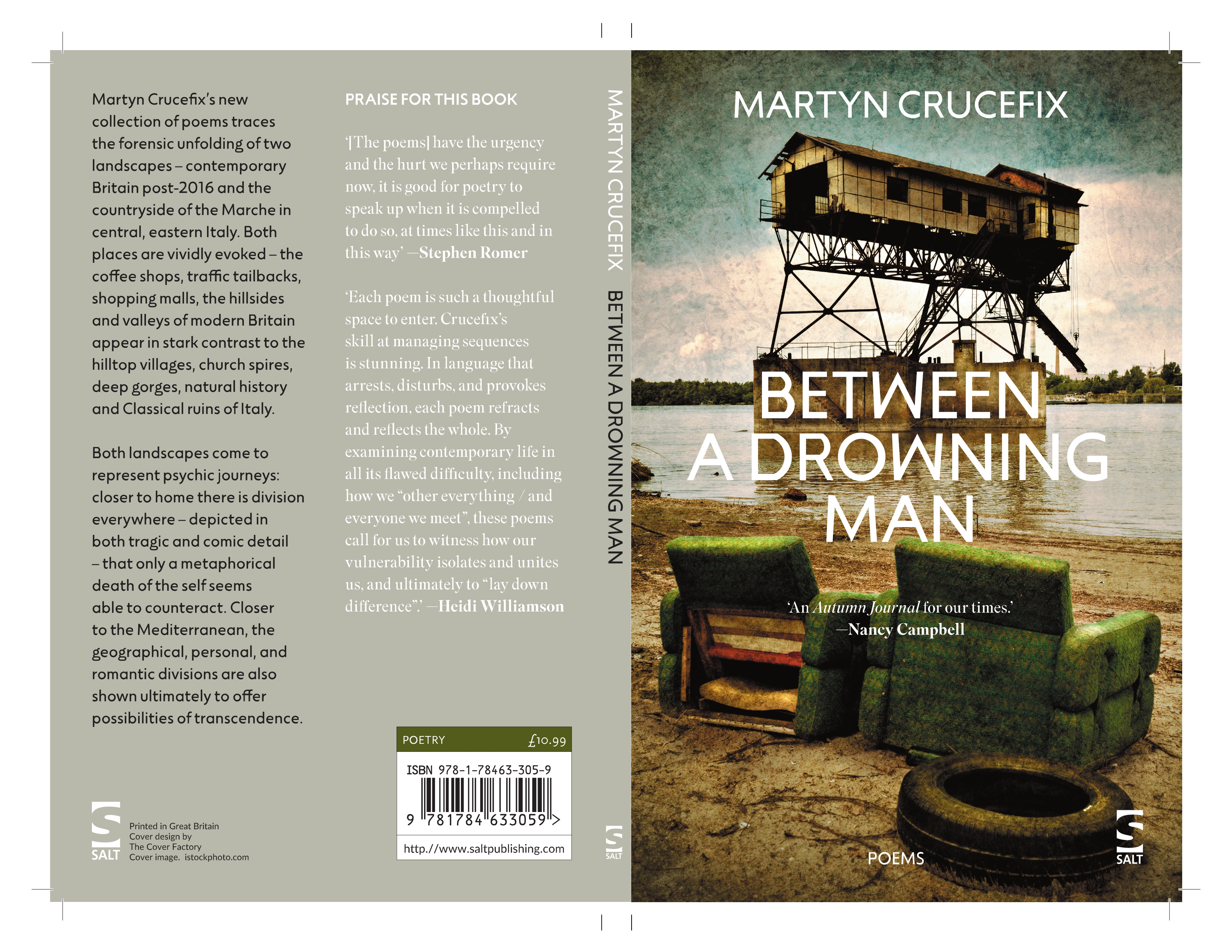
In a post on his own Blog, Crucefix describes these poems as starting to arrive after reading the vacanna poems in 2016, and how the poems began to accumulate after that while ‘staying in Keswick at the time and I vividly remember scribbling down brief pieces at all times of the day and night’ and of having been influenced by Brexit (the bridges are down indeed). However, he also describes in a follow up post that:

I thought of the poetry I was writing as a quite narrowly focused topical intervention, but in the last 4 or 5 years …the poems have come to seem less dependent on their times and more capable of being read as a series of observations – and passionate pleas – for a more generous, open-minded, less extremist, less egotistical UK culture.

And while the Brexit reading is there, these poems speak more to grounding a modern and disconnected world (despite plenty of references to devices for and modes of communication—we’ll come back to that shortly) in timeless themes like love and desire, parenting, ageing, joy in nature, false idols, and much more, and this is just in the first twenty or so pages.

Picking one of those themes at random, we can see how false idols are covered, but also how deftly he weaves in modern references to something that is both timeless, and of its time, and with that very human. In ‘the six pack on the side’ we are told:

the clock is a sinister and impassive god
for the ancients rumour was a kind of god

the god of WiFi when we curse its absence
and when did difference become a god

We have always been a narcissistic species that pays attention to gossip (‘rumour was a kind of god’), but while our gods have changed as the centuries have passed, we still curse our gods when they forsake us. Not a bad return for a 19-line poem in my opinion.

In order to achieve the ‘more generous, open-minded, less extremist, less egotistical UK culture’ we can see several pleas for more open lines of communication throughout the poems. Some are located in the specific and familial, as in ‘watch the child’ and its discussion of a child chattering away to herself in a coffee shop with her ‘bright picture book’ juxtaposed with ‘her mother at her cooling latte / at her macchiato / at her cooling skinny medium cappuccino // […] her mother’s ears wired casually // with two scarlet buds.

The child is broadcasting and communicating in a carefree way vs the mother’s more deliberate inward-looking approach, a shutting the world out for some respite. And while this could be a judgmental poem; it’s not. It feels like an invitation to consider both sides, both needs here. The refrain of ‘all the bridges are down’ lands particularly well here, both for the protagonists of the poem, but also for the reader.

However, while some pleas are located in the specific there are some more general ones to be found. In ‘he thought of this time’ one man recounts a litany of disappointments and emotions from his father. The poem draws from Hesiod and his idea of the fifth age where modern man was created by Zeus to be evil, selfish, weary, and burdened with sorrow. It’s a two-footed tackle on humanity from the whistle:

he thought of this time as a fifth age
that he’d be better off dead or not yet born
working all day he would fear the night
had heard of children born prematurely grey
and the fraying bond between fathers
and sons between mothers and daughters
between host and guest between different races

It continues without reprieve about a world where:

[…]the hopeless
are advanced and further advancement
lavished for no more than just chancing it
respect a word more spoken than heard
the educated full of corrosive cleverness
and compassion the greatest of virtues
an ebbing tide you see where it glints
on the horizon

At the time of writing, it’s easy to feel like these lines are as contemporary as it’s possible to be, and yet it’s arguable they are evergreen observations about humanity. However, I suspect that’s the point.

We’ve touched upon references to modern-day totems like WiFi, coffee types and headphones already, but this section is filled with them. Further examples include references to Google Maps and ‘five-star online reviews’ in ‘fifteen kilometres of traffic’ and ‘stoke a fire under your silk blouse’ respectively.

This all reaches its zenith in the final poem of the section, ‘this morning round noon’. The poem moves from personal notes about scattering ashes, a son’s birthday (and him being in huge debt at 21, one presumes from being at university) through to:

an American punk band form Nashville
posting abuse about a young Buddhist woman
refusing anaesthetic

The lines are punctuated by phrases like ‘likesharelike’ or ‘likeclicklike’ or ‘smileyfaceicon’. It’s the diaristic nature of the whole section writ large and transmitting thoughts to the page (albeit the printed page, not the Facebook page) as they occur. As an aside, this running together of words, coupled with the entire book’s distinct and clearly deliberate lack of punctuation (save a few dashes here and there) add to the observational nature of the poems, of thoughts being pulled from the ether. However, this is very much not to say that these poems aren’t considered and crafted—they very much are.

The final line of the poem and section is ‘I say the Pantone chart is one of my favourite things’, and while the poem that proceeds this line could be read as a darker version of the Sound of Music classic, less Raindrops on roses and more ‘I was hit by a car likeshare’, but I prefer to take it as a sign that the poem end on acceptance of nuance, variation and being able to communicate the same needs.

As the first section comes to an end there are two poems where the last line of one resurfaces as the start of the next, and it feels like a teaser for what follows in the second section, O. at the Edge of the Gorge.

This was previously published as a pamphlet by Guillemot Press in 2017 and is a crown of sonnets. After the hectic modernity of the first section, there is much to be said for the relative calm of following a traveller, Orpheus, on a journey through Italian countryside observing ‘Glossy fleet black clods of carpenter bees / swirl at the corner of the house / then sink onto spindly lavender stems / alight on blooms stooped // with the weight of insect lives’.

It’s a beautiful opening and a beautiful image that should perhaps be filmed and used as a fine example of what was briefly known as slow TV and shown on BBC4, but in the second poem he describes ‘astronomical time marked by light’ as the sun descends the gorge and church bells tolling, but:

yet come nightfall a different sense
these same sounds sound notes more chilling…

A very real sense of for whom the bell tolls, indeed. As the traveller wends their way round the area, taking notes and sketches of birds, a ‘flock of white doves’, that darkness returns in the form of a buzzard in the eighth sonnet, and gets deeper still in the ninth where he mentions:

like Urbisaglia or some place has seen
and survived change of use
from sacred temple to church to slaughterhouse
and no gully nor hill can stop it

Urbisaglia is an ancient town in Mid-East Italy that became the site of an internment camp during the second world war, and that knowledge adds further weight to the stanza that begins sonnet ten:

The truth is some survive a while most fail
to conceive the scale of paperwork
to follow change of use from church to temple
next to slaughterhouse.

The cruelty of humanity to itself is mirrored in the “bloody festival / of the bird” in sonnet thirteen as it discusses a raptor above the gorge, and the final sonnet off this crown muses on the fragility of life:

All creatures die sooner blind to the hawk—
left clutching no more than this
as if the hammock he occupies each
and all night too as if strung out

[…]
not falling yet not ever at ease

‘not ever at ease’ could so easily be a final motif for the whole collection. There is a sense that the learnings of this collection are hard won, but there is a connection to the wider world to be had, and that we can find comfort in travelling through it. The final lines of ‘you are not in search of’ in the first section seem apt as a place to leave it:

you might say this aloud—by way of ritual—
there goes one who thought much of life

who found joy in return for a little gratitude.

Mat Riches is ITV’s unofficial poet-in-residence. Recent work has been in Wild Court, The New Statesman, The Friday Poem, Bad Lilies, Frogmore Papers and Finished Creatures. He co-runs Rogue Strands poetry evenings. A pamphlet called Collecting the Data is out via Red Squirrel Press. Twitter @matriches Blog: Wear The Fox Hat
A new podcast interview – plus a new review of ‘Between a Drowning Man’

I am delighted to announce that Planet Poetry – the long-running, terrific poetry podcast run by Robin Houghton and Peter Kenny have released their new episode which includes an interview with me about my new Salt book. Do listen here: https://planetpoetry.buzzsprout.com/1414696/14024020-bridges-broken-with-martyn-crucefix

Stuart Henson has also written a fine review of Between a Drowning Man, which has recently been posted on the London Grip site. You can read the whole review here:

New podcast discussion on Between a Drowning Man

I’m very pleased to announce that Mark McGuinness’ excellent poetry podcast, A Mouthful of Air, which has recently featured poets such as Mona Arshi, Judy Brown, Rishi Dastidar, Ian Duhig, Mimi Khalvati, Clare Pollard, Tom Sastry, and Denise Saul, has recorded a discussion about my new Salt collection, Between a Drowning Man.

Mark’s method is to focus on one particular poem and between us we chose the poem ‘you are not in search of’, on page 57 of the new book, from the latter end of the ‘Works and Days’ sequence. You can listen to the podcast here. It’s about 40 minutes in length and includes a reading of the poem at the beginning and end. There is also a helpful transcription of our discussion.

Here is the poem text – though without the indents which are hard to reproduce here:

‘you are not in search of’

There has to be / A sort of killing – Tom Rawling

you are not in search of a gilded meadow

though here’s a place you might hope to find it

the locals point you to Silver Bay

to a curving shingled beach where once

I crouched as if breathless as if I’d followed

a trail of scuffs and disappointments

and the wind swept in as it usually does

and the lake water brimmed and I knew the thrill

of its mongrel plenitude as colours

of thousands of pebbles like bright cobblestones

slid uneasily beneath my feet—

imagine it’s here I want you to leave me

these millions of us aspiring to the condition

of ubiquitous dust on the fiery water

one moment—then dust in the water the next

then there’s barely a handful of dust

compounding with the brightness of water

then near-as-dammit gone—

you might say this aloud—by way of ritual—

there goes one who thought much of life

who found joy in return for a little gratitude

before its frugal bowls of iron and bronze

set out—then vanished—then however you  try

to look me up—whatever device you click

or tap or swipe—I’m neither here nor there

though you might imagine one particle

in some stiff hybrid blade of grass

or some vigorous weed arched towards the sun

though here is as good a place as any

you look for me in vain—the bridges down—

Influences on ‘Between a Drowning Man’ #1

With the arrival of my new book of poems, Between a Drowning Man, imminent, I thought it would be useful to re-blog a piece I wrote and posted early in 2019 about one of the key sources and inspirations of the new book’s main sequence of poems called ‘Works and Days’. It was my fortuitous reading of AK Ramanujan’s collection of vacana poems, early in 2016 (all explained below), that set me off experimenting with a similar clipped, plain, rapid, fluid style with its (refrain like) repetitions. I was staying in Keswick at the time and I vividly remember scribbling down brief pieces at all times of the day and night. Outside, and interfering with the various walking expeditions we had planned, the great storm of the winter of 2015/6 (googling it now, it was Storm Desmond) had taken out many of the ancient bridges in the Cumbrian countryside. Inevitably, this fact found its way into the poems and provided the refrain I used in many of them.

It has been a long haul between that period and the poems’ eventual appearance in this new collection and the whole sequence was further formed (or reformed or deformed) by pressures of a second literary antecedent (I’ll blog about that next week) and by the divisive political events in the UK between 2016 and 2019. Click on the blog title below to read the whole of the original post. My first public reading from the new book will be on the evening of Tuesday 24th October at The Betsey Trotwood in Clerkenwell. I’ll be reading alongside 2 other Salt poets:  Elisabeth Sennitt-Clough – ‘My Name is Abilene’ (Shortlisted for the 2023 Forward Prize); and Becky Varley-Winter – ‘Dangerous Enough’ (‘daring, danger and risk in poems that are packed with imagery from the natural world’).

Edward Thomas, Tellisford, and a poem of my own

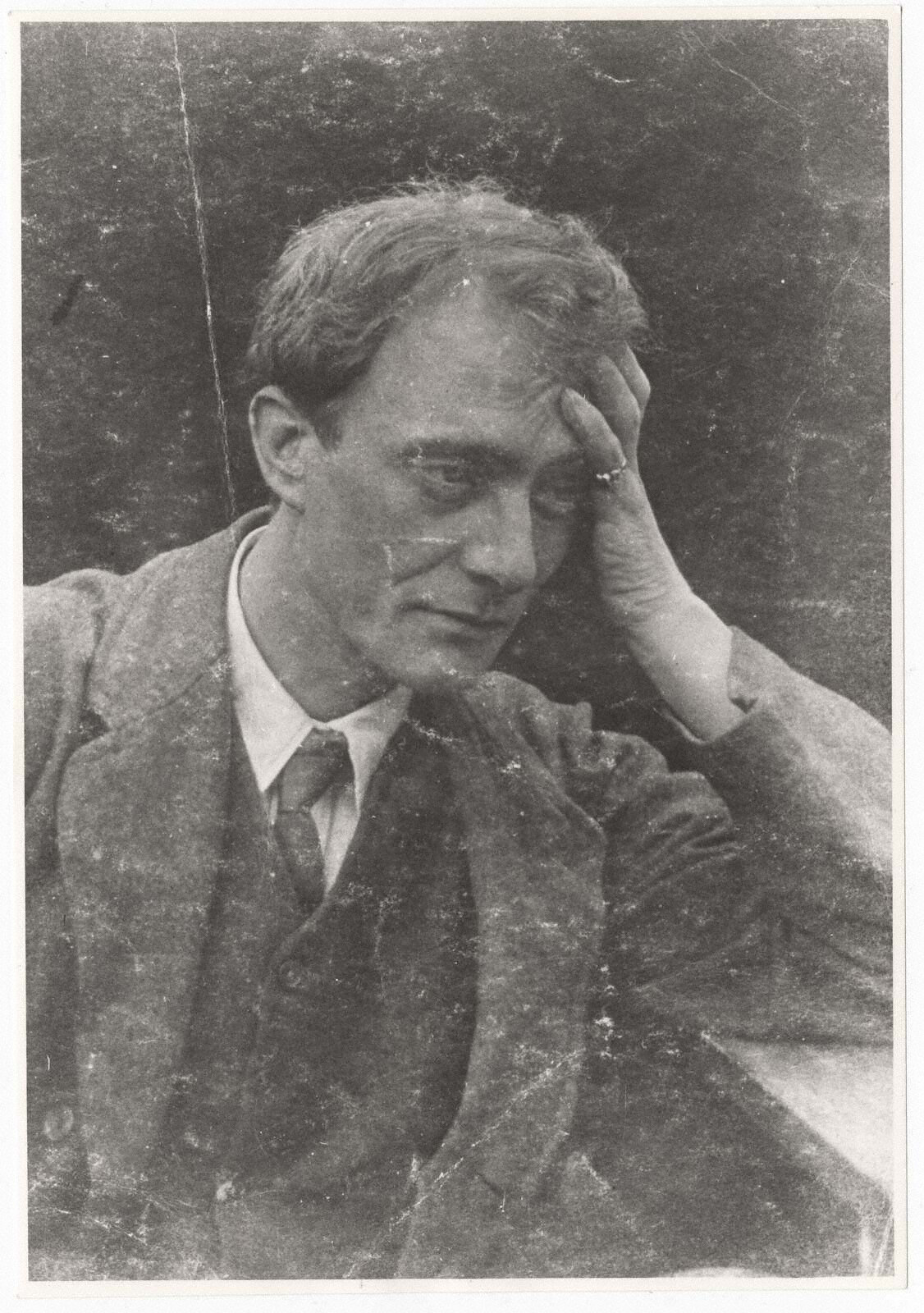
I have recently been writing a piece for the excellent site, The Friday Poem, or the FRIP as it styles itself, edited by Hilary Menos. I’d had a poem accepted by the FRIP earlier this year and Hilary had asked if I’d like to contribute something in prose, perhaps choosing 3 ‘desert island’ poems. An impossible challenge, of course – only three!!?? – but an interesting exercise to be sure. I’ll say no more about what I submitted to the FRIP before it appears there in the near future, only to say that one of the poems I chose was by Edward Thomas.

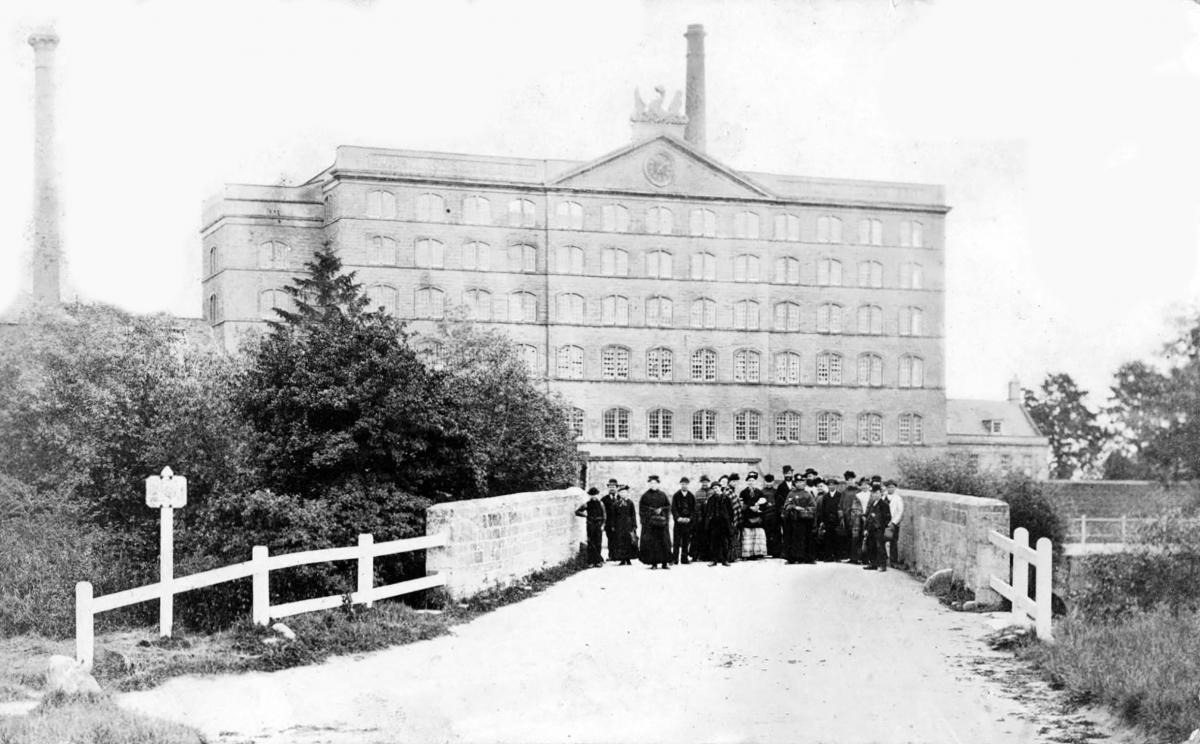
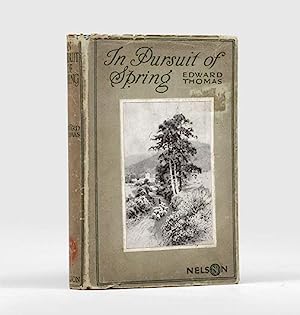
In introducing ET’s poem, I found myself talking about his prose travelogue, In Pursuit of Spring (1914). This book – apart from being wonderfully evocative of a lost, pre-WWI England, as he cycles from London, through the South Country, to end up in the Quantock Hills – has always been special for me because he makes a stopover just outside my hometown of Trowbridge, in Wiltshire. The following day he cycles out of Trowbridge, through Hilperton (the village where I grew up), out to Semington, towards Melksham, then along the meadows at Challimead, to Holt, before passing the Nestle factory at Staverton. The latter, with its River Avon (the Bristol Avon) flowing nearby, was where I used to go fishing with our next-door neighbours. The factory is also where several generations of my own family worked, including my maternal grandparents and my mother. Thomas’s descriptions of the roads and countryside are vivid:

. . . the Phoenix ‘Swiss’ Milk Factory where I crossed the Avon at Staverton . . . is an enormous stone cube, with multitudinous windows all alike, and at the back of it two tall chimneys. The Avon winding at its foot is a beautiful, willowy river. On the opposite side of the road and bridge the river bank rises up steeply, clothed evenly in elms, and crowned by Staverton’s little church which the trees half conceal.

The ‘Milk Factory’ at Staverton and the bridge over the Avon

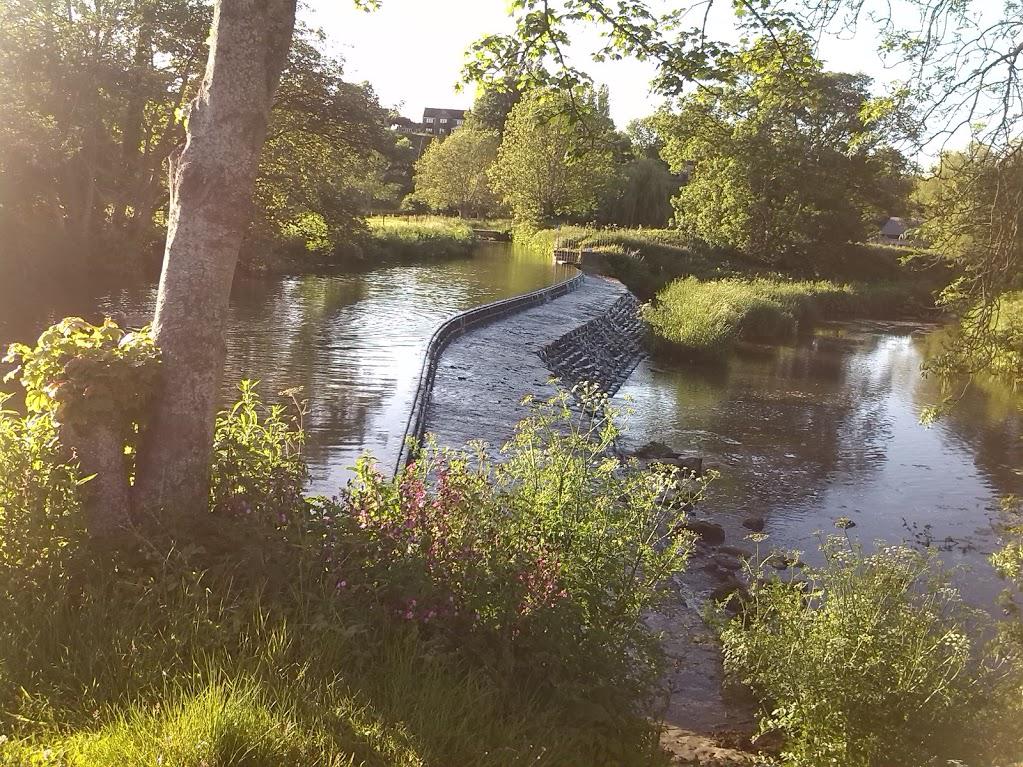
That church is where my grandparents were married. The following day, Thomas sets off again but stops this time at Tellisford. This is a small village to the west of Trowbridge, where a bridge crosses the River Frome. I’d occasionally come fishing here too, and later for the occasional romantic tryst, though more often the trip was for a picnic on the idyllic riverside meadows, listening to the water flowing over the ancient weir. Thomas’s mysterious companion, simply called the ‘Other Man’, describes the scene in 1914:

. . .  a beautiful meadow slopes between the river and the woods above. This grass, which becomes level for a few yards nearest the bank, was the best possible place, said the Other Man, for running in the sun after bathing at the weir – we could see its white wall of foam half a mile higher up the river, which was concealed by alders beyond.

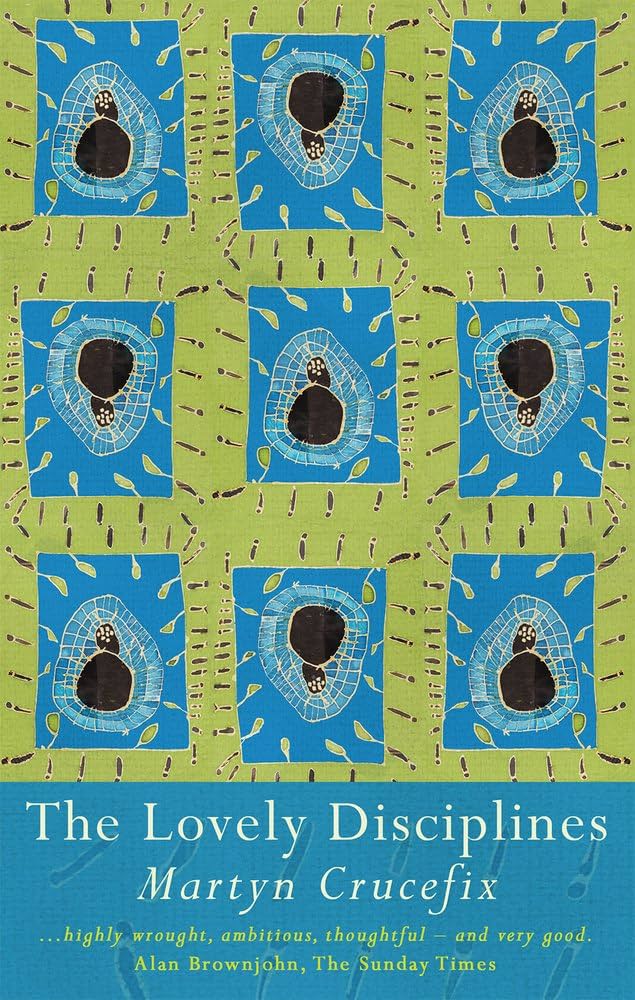
Almost nothing had changed when, years later, my whole family came here for a picnic, perhaps to celebrate my parents wedding anniversary . . .  I remember speaking to a man who lived nearby. He was rebuilding the weir which had fallen into disrepair. Years later again, I wrote a poem about the occasion (later published in my book The Lovely Disciplines (Seren Books, 2017). Called ‘Rebuilding Tellisford weir’, I gave the poem an epigraph from In Pursuit of Spring: ‘turn aside to see Tellisford’. The poem’s opening lines focus on the man’s self-given task, one of both conservation and innovation:

He refuses shade in midday heat

the old man walking

in his honey-brimmed hat

along the drained weir-shelf

x

that looks today like stacked loaves

its pallid smooth ranks

of Victorian stones

mapping precisely the Domesday line

x

where he patrols to and fro

proudly surveying the place he owns

this stretch of England

his plan to restore the workings

x

of the old watermill

to feed the Grid—and it is for this

he has ordered tons of sludge

to be dredged above the drop

x

and dozens of loosened stones

to be replaced to give

the mill-race its full head

and today he walks the slippery length

x

of the dammed weir-shelf

View of Tellisford Weir

For some reason, in my writing of the poem, I wanted to distance my own family’s part in the scene, perhaps because the incident I was recalling was a long while ago. The man hails the picnickers (rather than the other way round, which is I think what happened):

he cries what marvellous weather

x

then falls to conversation with a couple

who are celebrating sixty years

in their self-built house

with their three good boys

x

raised and schooled to distant homes

though today they recline

on trashy garden chairs

on this riverbank as if to watch

x

the old man in an antique yellow hat

who walks noting progress

on the weir

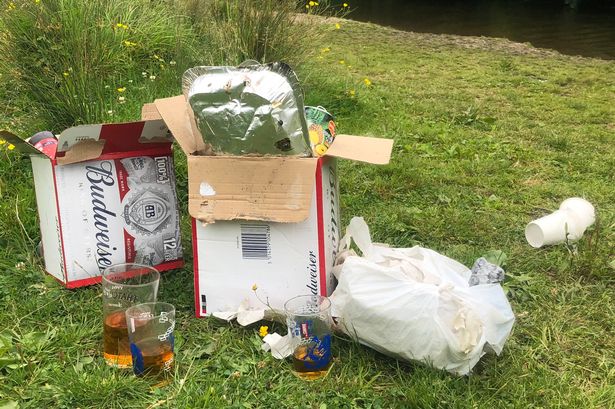
Riverside littering

My own family appear more as careless tourists than anything else. It is the man’s project which gets more attention. And – as the thought develops – it is his own state of mind that seems to interest the poem.

and how could they know

he’s something on his mind

x

for the next hundred years

how could they know more and more

these days he struggles to endure

the roaring of the fish-shoot

x

with its silted water

and these stilted conversations

with such ordinary people

their Diet Coke and egg mayonnaise

x

their crisps for the grandchildren

their Sunday newspapers

let blow and tumble across the meadow

reminding him of himself

x

how his mind often strays

up the ditch-line to the old drovers’ road

where for fifty years

their cars have pinked and purred

x

especially at night as they mount

slowly the gravel verge—

O so many love-cars for so many years

drawn to his father’s land

x

each in pursuit of what the river gives

of moonlight and chance

of the ticking of an engine

as it cools of blonde hair spilling

x

across dark seats in disarray

he knows the windows rolled to the dusk

the sickly smell of water

the murmur within

I rather like the way the poem, by this stage, seems to be moving in and out of various consciousnesses; here the narrative seems to be visiting the minds of the lovers who come to this quiet place for privacy, though the man’s noting of the fact has something of the voyeur about it too. He goes on to imagine – or perhaps he is remembering his own romantic experiences – the ‘talk / when it’s over’:

though he knows well

it is never really over—

and it’s because of this

he will not turn them away

x

although they holler and soil and litter

still he’d grant them every wish

for this his feet edge now across

the weir-shelf this afternoon

x

for this he takes his uneasy stand

hands thrust in his pockets

their cars pulling in to the dark hiss

of white gravel everywhere loosening

ET looking particularly dejected . . .

The final image – syntactically, the last given reason as to why he allows the lovers, as well as the ill-behaved picnickers, to use the riverside that (in the poem at least) he owns – is intended as an image of transience, of impermanence. It’s this knowledge that really drives him in his conservation project, the rebuilding of the weir, the installation of generators to connect to the Grid. His obsession (which is of course really the author’s, my own) is with the passage of time which brings in change and destruction and against which he builds (as the author builds the poem) something to stand against it, a kind of memorialisation which is also an innovation: ‘the talk / when it’s over though he knows well / it is never really over’. Throughout, I wanted to evoke something of Edward Thomas’s own work, partly through my formal choices. In ‘Gone, gone again’, for example, he views an old house:

Outmoded, dignified,

Dark and untenanted,

With grass growing instead

X

Of the footsteps of life,

The friendliness, the strife;

In its beds have lain

Youth, love, age and pain:

X

I am something like that;

Only I am not dead,

Still breathing and interested’

‘Air-Waves’: poem as audio soundscape

One of the joys of social media (and there are plenty of aspects of them that are less than joyful) is that occasionally a notification pops up from an unexpected source and when you check it out there is something really worthwhile to be found. This happened the other day – via Instagram. Someone called Matt McGettrick had tagged me. I don’t know Matt, but he is a student on the BA course in TV and Radio Production at the University of Salford.

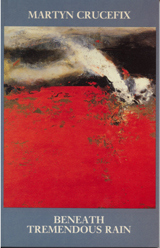
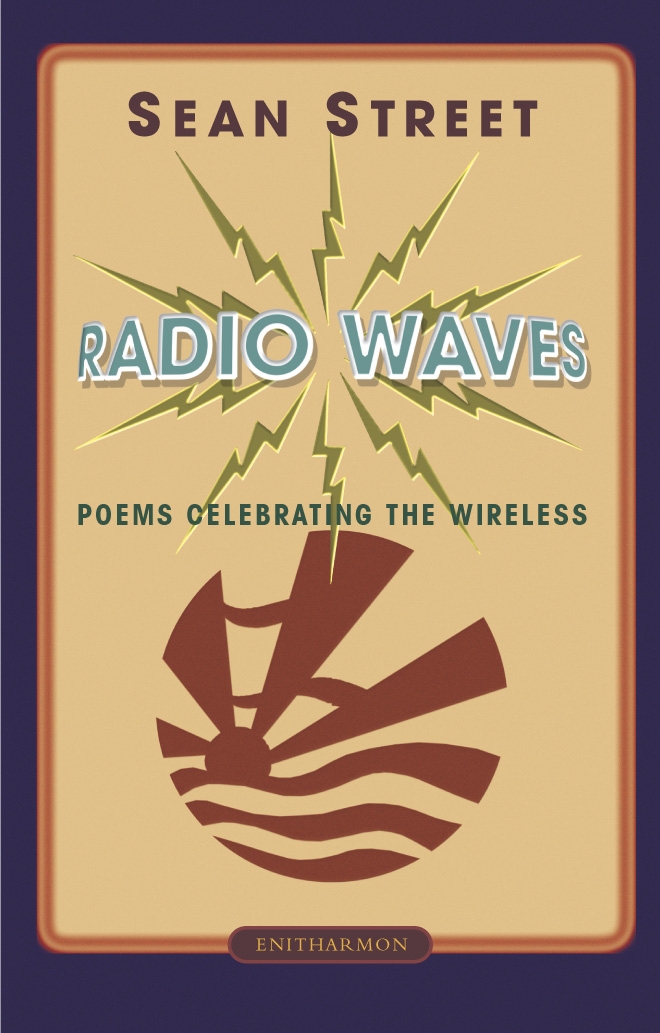
Matt’s instapost said he had recently created a soundscape based on a poem I published in 1990, in my first book from Enitharmon Press, called Beneath Tremendous Rain. It’s unlikely that the poem was found in that book itself, but I remember it was selected more than 10 years later by Sean Street to appear in an anthology called Radio Waves: poems celebrating the wireless (Entharmon, 2004). There, I was happily rubbing shoulders with the likes of Auden, Brecht, MacNeice, Heaney and Carol Ann Duffy. Sean – whose is a poet, broadcaster and recently retired Professor of Radio at Bournemouth University – had divided the anthology up into sections variously titled, Music Radio, Talk Radio, Weather, Listeners and Signals. My piece was in the section called ‘In the Car’.

Here’s that original poem. It’s voiced by a persona – I had no children at this point and had not moved out of the ‘dark’ streets of Manchester to the countryside.

Air-Waves

As I slowed up and shifted downgear,

a dance song thumping from the car radio

was stretched out and smashed to pieces.

x

But we barely noticed that first time –

all eager to see the house, where it stood

beneath the surfing crackle of the pylons.

x

The girls loved the sight of so much sky.

They slipped into new schools with ease

though Sue and I made it home more slowly.

x

And by then, there was Stephen, almost four,

suddenly ill, his rush of growing gone awry,

and the doctor’s face, closed up and dark

x

as the Manchester streets we had left behind.

He could tell me nothing. Inexplicable,

the pattern of disease. A year – maybe two.

x

Driving back across the hills, roadside wires

loop down, are yanked back to the blunted head

of each telegraph pole – and further off,

x

the pylons, hitching up skeins of darkness,

striding up country to a house where this car

and their sheaf of hot wires will converge,

x

where a young man’s voice on the radio

will melt down in a surge of boiling static

as I slow up, shift gear, and stop.

I remember a great deal of concern – this will have been in the late 1980s – about the possible harmful effects of living too close to the electrical fields generated by pylons. There was a particular study in 1979 that did conclude there might be a link between electromagnetic fields and childhood cancer (and this is the kind of scenario I am thinking of in the poem). However, other studies in the 2000s did not find an association or found an association only in homes with very high levels of magnetic forces, which is rare, according to the National Cancer Institute.

There was a personal connection, I remember, as my in-laws lived in a house which nestled in beneath a line of high voltage cables and pylons. But perhaps concerns about cancer-inducing lines of pylons have now gone the way of those early concerns about the dangers of mobile phones. Or has it even been consigned to the slightly cranky end of health concerns along with those people who sabotage 5G masts in the name of suspected links to the on-going pandemic? Even so, though it has dated a little, I’d like to think of the poem as one of my earliest expressions of environmental concern: if the electromagnetic fields do turn out to be perfectly safe, they are here acting as a metaphor for the kind of degradation of the lived-in environment caused by human action for which there is an indisputable and growing body of evidence.

Anyway – all this is simply by way of introducing Matt McGettrick’s excellent piece of work. The reader is Matthew Green. As the author of the original piece, it seems to me that both reading and soundscape engineering do a really fine job of responding sensitively to the text’s meaning, its structure and its rhythms. Have a listen – Matt suggests headphones are a good way to hear his work. It’s just over 5 minutes long.

Five poems by Chen Xianfa – Translated by Martyn Crucefix and Nancy Feng Liang

So pleased to have these 5 poems published by The Galway Review. This is another of my translation projects (working with Nancy Feng Liang, without whom none of this would be possible of course). We ‘met’ during last year’s Cambridge Poetry Festival and she was looking for an English language poet to work on Chen Xianfa’s collection ‘Poems in Nines’ (2018). The more I have done so the more I love his work. I hope you enjoy these poems.

Admin's avatarThe Galway Review

Biographies of the three writers involved in this submission

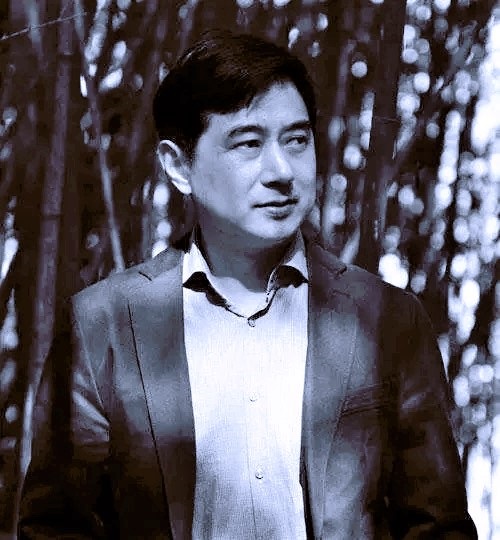
Chen Xianfa is a prize-winning poet and journalist, born in Anhui Province, China. He has published five books of poems: Death in the Spring (1994), Past Life (2005), Engraving the Tombstone (2011), On Raising Cranes (2015; in English tr. 2017) and Poems in Nines (2018; bilingual Chinese/English, tr. Nancy Feng Liang, publ. China) which was awarded the Lu Xun Prize. A Selected Poems appeared in 2019. He has published two collections of essays, Heichiba Notes (2014 and 2021). Other awards include China’s Top Ten Influential Poets (1998-2008), the Hainan Biennial Poetry Prize (2011), Yuan Kejia Poetry Prize (2013), Tian Wen Poetry Prize (2015) and the Chenzi’ang Poetry Prize (2016).
Translators

Martyn Crucefix – recent publications are Cargo of Limbs (Hercules Editions, 2019) and The Lovely Disciplines (Seren, 2017). These Numbered Days, translations of the poems of Peter Huchel (Shearsman, 2019) won…

View original post 952 more words

I Saw Three Swans: Baudelaire, Rilke, Oswald

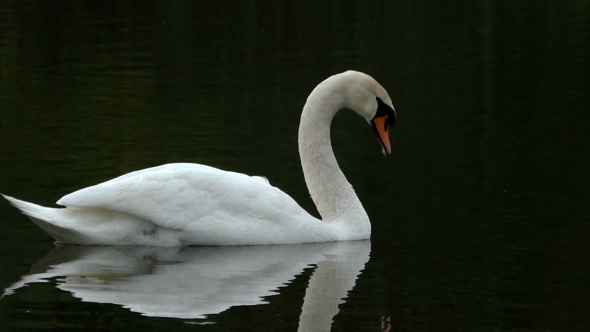
A friend of mine recently asked what I thought of Alice Oswald’s poem, ‘Swan’ – in fact, what did I think it meant. It appears in her 2016 collection Falling Awake (Cape Poetry). I’m not sure I can give a direct answer to her direct question, but it linked up with two other swan poems I have read recently. Baudelaire’s poem appears in The Flowers of Evil and I have been re-reading a couple of translations of that collection because of the French poet’s influence on Rilke. Rilke’s swan poem (included in New Poems) is one of the poems I have been translating for the projected 2023 Pushkin Press book mentioned in my previous two posts. So – by way of an oblique answer to my friend’s question and because these poems and (two of) the poets relate to my current project and out of sheer curiosity – I thought I’d read these three poems alongside each other here.

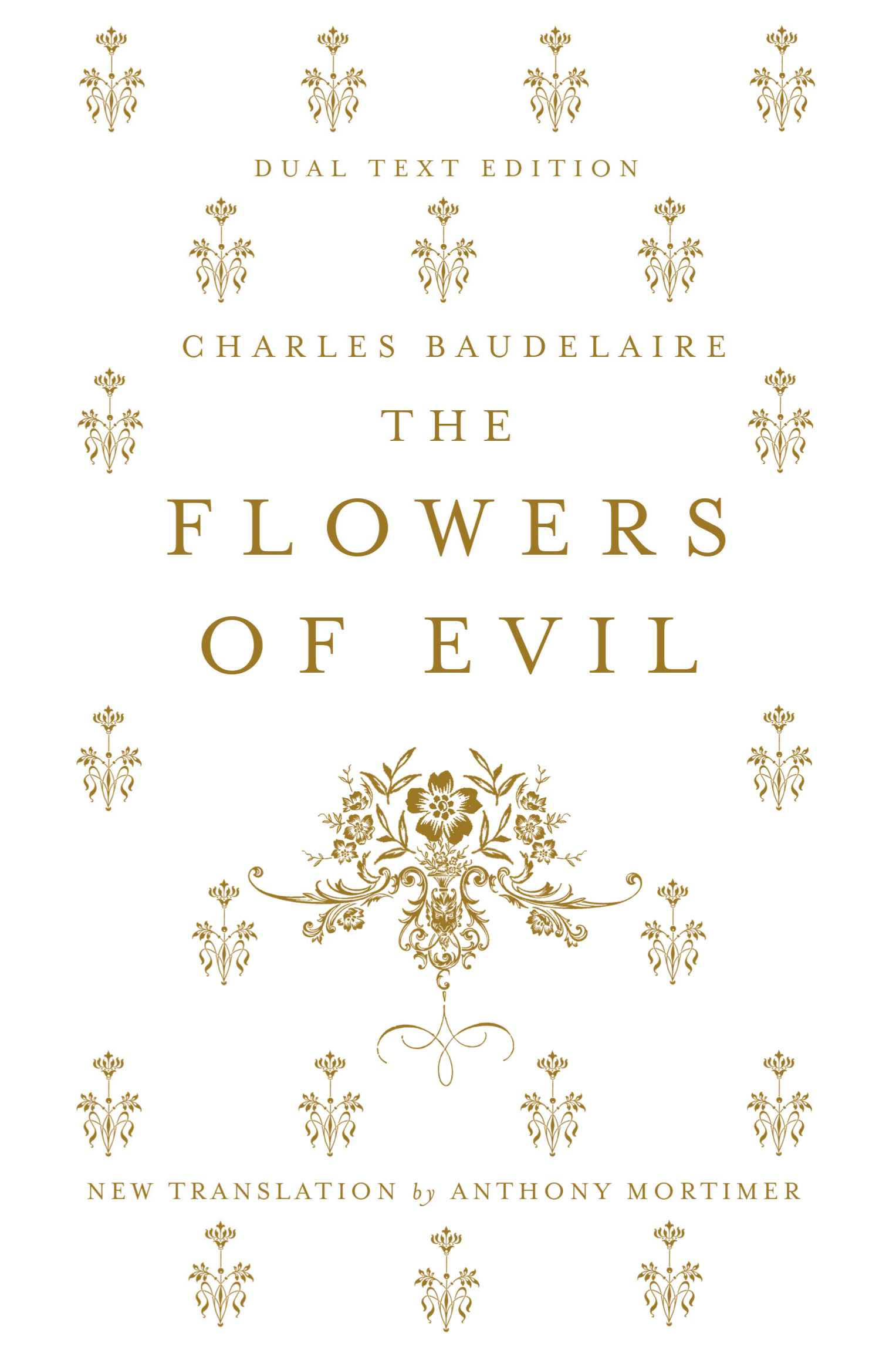
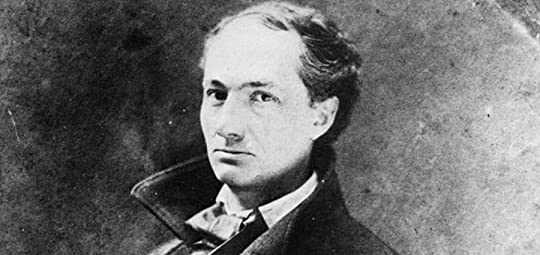
Baudelaire’s ‘Swan’ is the longest of the three, divided into two parts. Written in late 1859 and dedicated to Victor Hugo, Baudelaire described the poem as an attempt to “record rapidly all that a casual occurrence, an image, can offer by way of suggestions, and how the sight of a suffering animal can urge the mind towards all those beings that we love”. His definition of those we love is remarkable broad, as we’ll see. The poem is also remarkable for the range of its components: evocations of the modern city (Paris), the creature itself, anthropomorphism, personal memory, literary references and an imaginative and empathetic ‘lift off’ towards the end. I’m looking at Anthony Mortimer’s translation published by Alma Classics in 2016. Here is an older, clunky, but openly available translation.

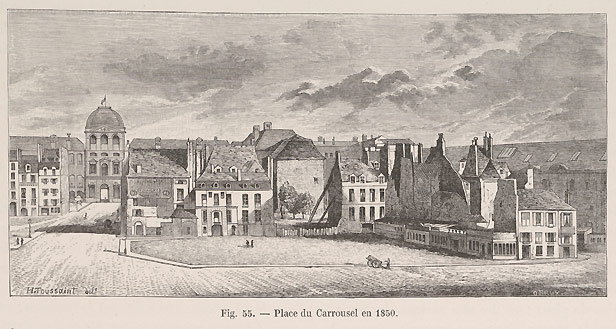
The reader might be taken aback by the opening exclamation: this swan poem opens with ‘Andromache, I think of you!’ In Book 3 of The Aeneid, Andromache, wife of the killed Trojan hero, Hector, is living in exile (‘we, our homeland burned, were carried over / strange seas’ – tr. Mandelbaum) and now weeps for her husband beside a little stream, a paltry reminder (Baudelaire: ‘a poor sad mirror’) of the mighty river, Simoeis, near Troy. She is an image of an abused and displaced exile, a refugee and it is the narrator’s strolling through the Place du Carrousel in Paris that prompts this literary recall. It’s because he himself feels out of place. Between 1853-1870, the Paris Baudelaire had known was in the process of being re-designed and re-built by Georges-Eugene Haussmann. Cityscapes change ‘more swiftly than a mortal heart’ says the narrator and he prefers to recall the old, ramshackle state of the area, where there was once also ‘a menagerie’. One morning, in that previous era, he caught sight of an escaped swan that ‘[d]ragged his white feathers on the dirty road’.

Rapid cutting from literary allusion to gritty realism to anthropomorphism is part of Baudelaire’s boldly making it new. The swan is ‘doomed’ in a literal sense, yet also ‘mythical’, at least for the narrator, who makes the beast speak: ‘Water, when will you rain?’ The intertextual resonances are further extended: the narrator sees the bird ‘sometimes like the man in Ovid’. This is the moment of man’s first creation: ‘given a towering head and commanded to stand / erect, with his face uplifted to gaze on the stars’ (Metamorphoses, tr. David Raeburn). But Baudelaire’s allusion is ironic, confirming the swan’s standing for itself and humankind in 19th century Paris: the swan stretches ‘his writhing neck and hungry head / Towards the cruel sky’s ironic blue’.

Part II of ‘The Swan’ reverts to the changing vista of Paris. As the new is erected, the old buildings ‘turn allegorical’, working as allusions to objects and experiences that no longer exist. The diffuseness and proliferating resonance of the swan image itself suggests that ‘symbolic’ might be a better word than allegorical. Now strolling near the Louvre, thinking still of the swan memory, the narrator reflects on ‘how / All exiles are ridiculous and sublime’. The earlier Andromache reference now makes sense and it resurfaces. It is the ‘incessant longing’ of all exiles that fascinates Baudelaire and from the (passionately felt) literary figure, he turns to a real black woman, ‘thin and consumptive, / Trudging through mud’ (in Paris, I take it) who yearns for her African homeland, obscured by a northern European ‘wall of fog’. The narrator ‘seeks’ exile we are told or, in his alienation from the modern world, he is compelled to seek it in a (mental) forest in which a ‘distant memory winds its full-breathed horn’. Imprecise as the significance of this image is, it evokes a full-throated, rather nostalgic longing for something long past; somewhat ridiculous and yet sublime in its depth of feeling. But the poem’s final lines expand to encompass thoughts of ‘castaway sailors’ and ‘captives, the defeated . . . and of many, many more’. The memory of the swan has focused (and continues to do so) the narrator’s thoughts on the ubiquity of such states of alienation, of actual and psychological exile.

Charles Baudelaire

By comparison, the 12 lines of Rilke’s ‘The Swan’ are astonishingly compact. But, on its smaller scale, Rilke’s poem also opens as obliquely as Baudelaire’s. There are two lines before the creature appears and when it does so it seems to be in a figurative role: as an image of human life, which is itself characterised as a ‘struggling with a task not yet complete’. The contingencies and difficulties of a life lived are compared to the awkward movements of a swan’s movements out of water, weighed down, ponderous, ‘constrained’, as if its legs could not move freely. Baudelaire kept the two sides of his comparison (the swan and the experience of exile) clearly demarcated. Rilke balances the two sides of his comparison more evenly and potentially more confusingly. Is this a poem about a swan that conjures thoughts about life and death, or is it about life and death which now remind the narrator of the movements (in and out of water) of a swan?

Certainly, the initial topic seems to be life (its difficulties) and then in the second stanza, death itself: ‘that sense of our slackening grip / on the earth where we stand every day’. What is bold about this poem is how the final seven lines take off from this introduction of death into a second series of images related to the swan entering the water. But it is a series that does not return from the swan to the probable theme of human life/death. Instead, the poem records, in exquisite detail, the process of the swan entering the water and settling and then swimming away. It has the clarity of an Imagist poem (and I am hoping for that in my translation of it):

so, tentatively, he lowers himself down

x

and onto the waters that welcome him

gently, already, contentedly letting slip,

retreating beneath him, a moving tide,

while he, infinitely still and assured

and ever more majestic, more mature,

is content the more placidly to glide.

The growingly anthropomorphic quality of Rilke’s description (like Baudelaire’s before) implies the swan’s representative role in reflecting human life and in this instance, human death. Or at least, the idealised image of death that Rilke wants to convey: not something to be feared, but a gradual transition, a becoming, a maturing, an integral part of a life’s ‘struggling’. The poem’s playing with our perception of the swan/life divide is part of Rilke’s intention: life, as much as death, is not something Other, detached from the world of things, but something co-existing alongside it, within it. The creature’s placid transition from land to water, life into death, represents a true death for Rilke. This is not something available to all. In an earlier poem from the Book of Hours – in a poem which shows the influence of Baudelaire – Rilke portrays the poor of Paris, ‘wan-faced and petal-white’, frightened of being admitted to the hospitals of the city, knowing death awaits them. But this is a ‘petty death’, the demise of the body with no spiritual dimension; it is not ‘their real death’ which remains ‘hanging green, not yet sweet / like a fruit within that will never ripen’. So Rilke’s swan, as it glides placidly from life into death, is an image of such an ideal transition.  

It’s possible Oswald’s poem, ‘Swan’, has Rilke’s in mind as its preoccupation is also with life and death. Compared to the Parisian perambulatory of Baudelaire’s regular ABAB quatrains and the meditative, imagistic, quasi-sonnet form of Rilke, Oswald’s poem wanders freely across the page echoing the disintegration of her already dead and rotting swan. The poem is composed of two elements: narrative description and the imagined voice or thoughts of the dead swan as it rises away (soul-like) from its own corpse. The only real puzzle here is the final speech of the swan.

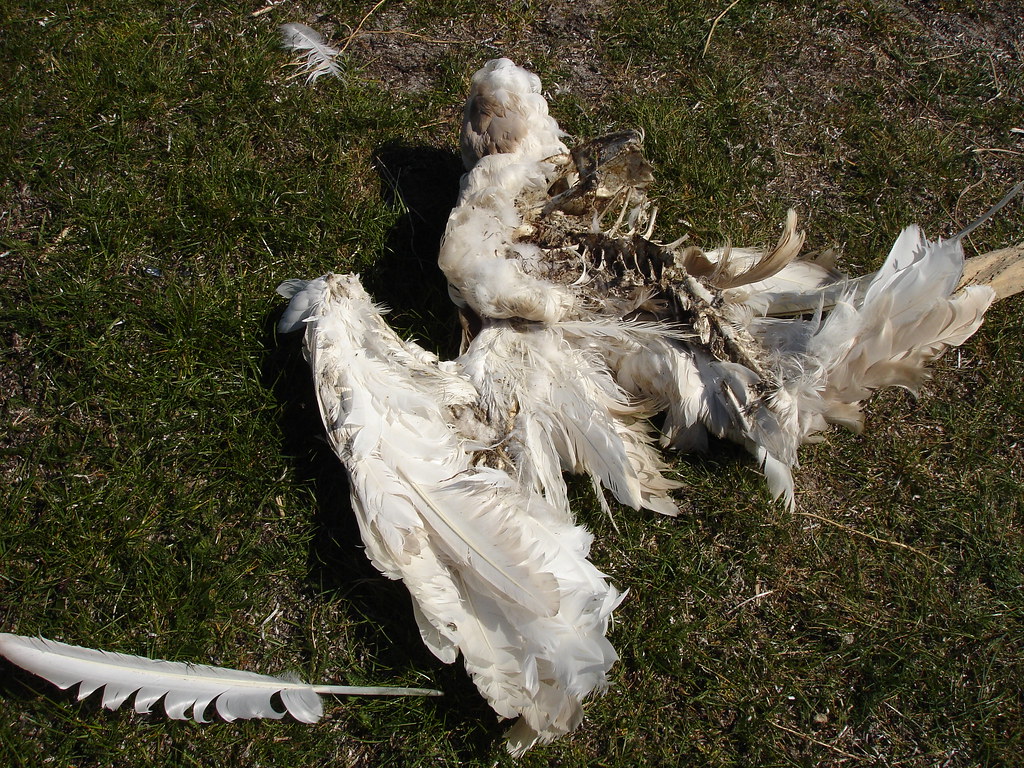
The opening harks back to the sound world and imagery of Ted Hughes. The harsh assonance of the curt opening phrase (‘A rotted swan’) is an example, as is the following long line with its splashing sibilance and use of a technological image applied to the natural world: the swan is ‘hurrying away from the plane-crash of her wings’. Also like Hughes, Oswald likes to use the space of the page; the phrase ‘one here’, repeated for each of the wings, is placed as if the material of the words indicated the location of the wings set awry. The plane image is picked up again with the metaphor of the swan leaving the ‘cockpit’ of her own flying machine. The dualism of mind/self/spirit/soul versus body is adopted in what seems to be a simple manner.

Alice Oswald

Baudelaire’s swan in exile cried for rain in its natural watery homeland. Oswald’s is puzzled by its sudden divorce and alienation from its own body. In its first speech, it does not recognise its wings: ‘those two white clips that connected my strength / to its floatings’. The tone is similar in the second speech: ‘strange / strange’. The swan seems aware here of its own sense of ‘yearning’, experienced in its life, that the body’s ‘fastenings’ (wings? tendons? muscles?) were never able to ‘contain’. As with all these swan poems, the bird is being co-opted to represent humanity; here, our sense of being more than merely physical. The swan sees her own black feet, now ‘poised’ but unused. The corpse is an intricate, marvellous machine, but without whatever is now departing, it appears ‘a waste of detail’. Before the third and final speech, the body and all its ‘tools’ are now abandoned, with all its ‘rusty juices trickling back to the river’.

I think that last phrase is important. This is one of Oswald’s best poems but I’m uneasy with the conventionality of the spirit/body trope. Perhaps what is leaving the body is returning to the environment (an after-life of that sort)? In the final passage, the swan wants to address its own corpse before it ‘thaws’ or rots away. This suggests a desire for some ritual. The perspective of the poem now zooms in on the head, then the eye, which is visible and into its ‘cone of twilight’, the fading gleam within it, and into the cone, almost as if looking into a snow globe. The swan sees a scene there: a bride setting out to her wedding. Is this an image of the renewal of life after death? The ‘trickling back to the river’? But this return journey seems difficult: ‘it is so cold’. I’m not clear if I should be taking this in a narrow way: this individual creature will be extinguished. Or more broadly, the natural cycle of life-death-decomposition-new-life has been compromised (by human actions?). Oswald’s final image is of tolling bells, ringing in the putative wedding venue, bells like ‘iron angels’, insistently, ‘ringing and ringing’. Oswald’s swan is marvellously physical in its demise but its projected commentary on itself feels at times naively anthropomorphic (the death I’m left thinking of is a human death), at others puzzlingly obtuse.

One being walked – on Ricky Ray’s ‘The Sound of the Earth Singing to Herself’

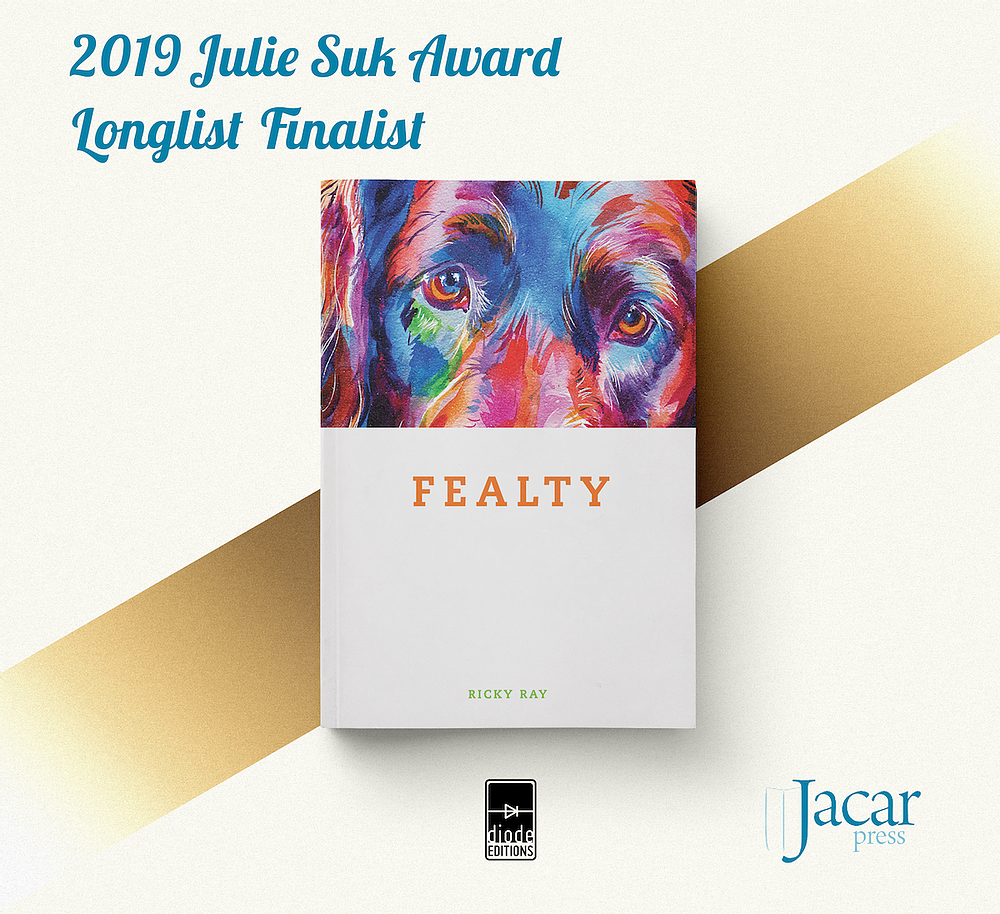
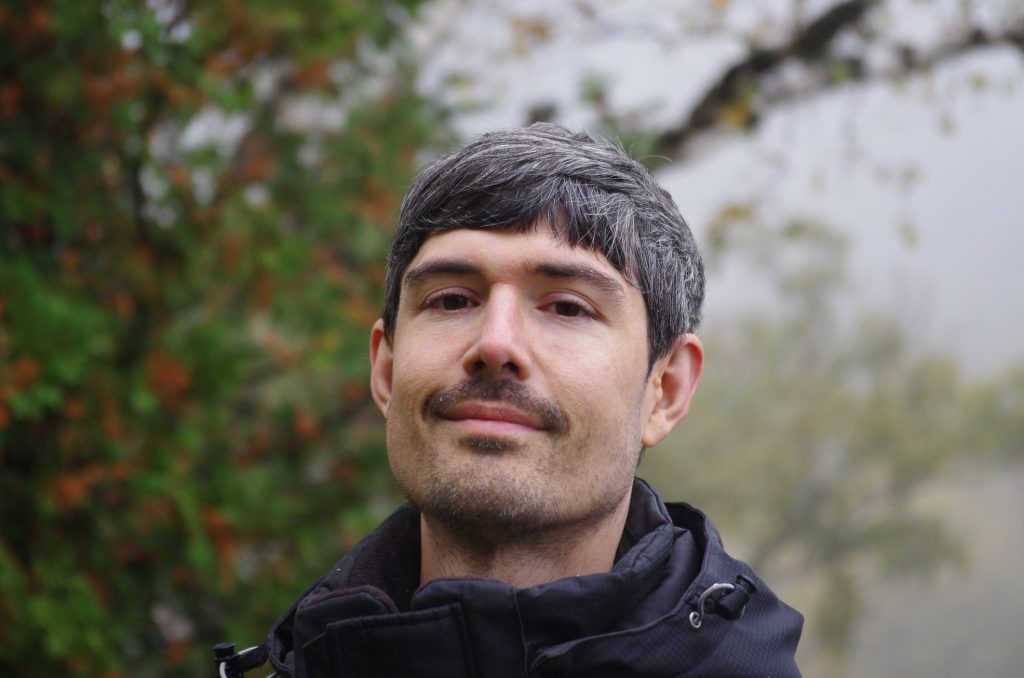
This is the second of Ricky Ray’s chapbooks to be published in the UK this year (2020) – the other is appearing with Broken Sleep Books under the title, Quiet, Grit, Glory. A full collection, Fealty, also appeared in the UK through Eyewear Publishing in 2018 and it is now republished in the US by Diode Editions. The biographical note from Fly on the Wall Press refers to Ray as “a disabled poet, critic, essayist and founding editor of Rascal: a Journal of Ecology, Literature and Art– all this suggesting that Ray has several highly ‘categorizable’ aspects to his work, but from the evidence in The Sound of the Earth Singing to Herself, he manages, to the benefit of us all, to elude being pigeon-holed in any neat way. See Ricky Ray reading poetry on the completion of his MFA degree – featuring poems about “dogs, disability, waywardness, childhood, childlessness, ecological consciousness, despair, and the search for hope”. 

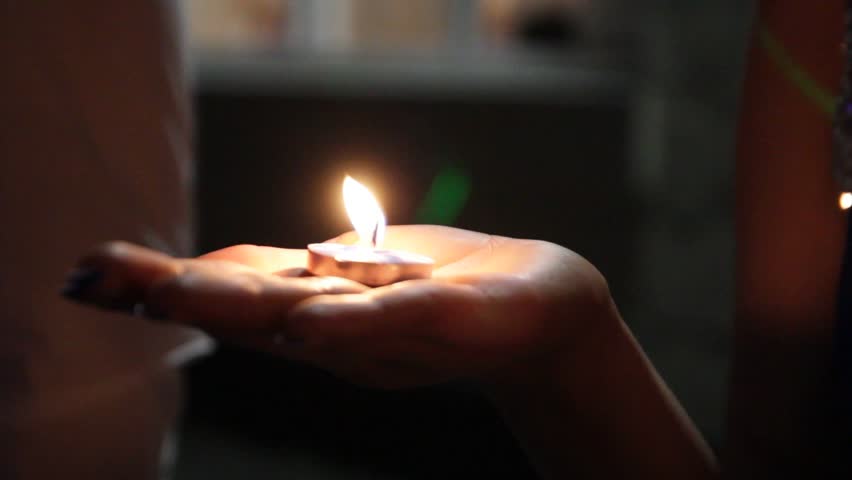
If poems can withstand the pressure of readers drawing biographical conclusions, Ray’s upbringing was difficult. ‘Sometimes Vision Withers on the Vine’ portrays a chaotic, poverty-stricken household with erratic running water and power supply because “crack was more alluring than the bills”. The boy’s drug-using father’s drug-using friend burns candles on the palm of his hand, apparently feeling no pain. The vision seen in the light seems to be nothing more than a death’s head, a version of the future in which “nothing happens”. Another poem remembers the putting down of a pet dog: “the news // had blown out all moisture and made of my body / Oklahoma”. This is an amazing image of a sudden expansiveness of the self, or its wiping out, in a state of grief at the loss of a creature the boy regarded as closer to a brother. The father had the dog destroyed, as we say, out of kindness, and the boy/poet comments: “a kindness I never wanted, still don’t”, thereby broaching the subject of his own ‘viability’.

Ray’s physical disabilities give him relentless pain, the prospect of comfort realistically being merely “pain / that relents / from a knife-twist / to a dog gnawing / an old / bone” (‘What’s Left’). ‘Toward What’ records a good day in which he falls only once and “take[s] three / minutes to ascend six stairs”. Yet there are some days, “my body is so beautiful / I can’t believe I get to live here” (‘(Dis)ability’). It’s somewhere along this existential line, between the confines of a body in pain and the expansive, close to out of body experience, signalled by that Oklahoma image, that Ray’s poems really come into their own. He can celebrate an incarnated, ‘being in the world’, with both a sense of its pleasures and a sense of what it costs to remain here.

Such a celebration is ‘So Long as There is Light, There is Song’. The narrator and his dog, Addie, are in a field, the dog’s pleasurable ease in the world engendering similar feelings in the poet. There’s a Whitmanesque quality to the loafing in the grass, the blessing of ants, of the grass itself, the dawning sense of a life larger than any of the individuals present:

                        You could call it continuity.

You could call it the field itself. I like to call it what calls.

And I like to live in her song.

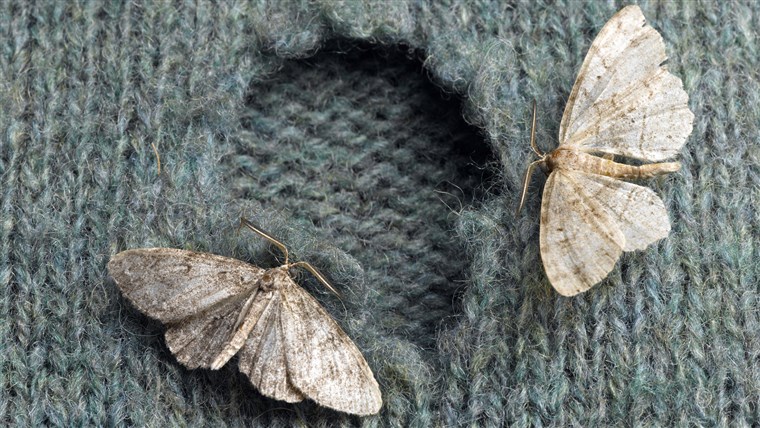
For want of a better label, what is sensed is the Earth, “singing her duet with the sun”, the natural world for sure, but Ray’s language implies a close to sentient being, sensed in the co-habiting of the multitude of separate living things. In considering the ravaging of ‘My Favourite Sweater’ by moths, Ray shows how the human heart might respond to such a sense of “continuity”, in the generosity of his wishing “the moths no ill”:

[I] say to myself it’s all down to pattern, a shifting

pattern, a thread of wool raveling into a thread of moth,

the moth’s wings the stitchwork of the hand that knits us all,

the hand itself a stitch along a seam my mind unravels

It’s Whitman’s long lines and levelling up of all phenomena that comes to mind as the poem goes on to “thank until I run out of things to thank”. Even in the midst of natural danger – in this case a hurricane – the poet/narrator seems to revel in the ominous signals of the storm’s approach, promising to protect his dog. Like the Oklahoma image earlier, this poem (‘On Hurricanes’) ends in mid-flight, the storm raging, the individual consciousness being smashed and scattered, “like fusion, like retribution—/ bang bang bang”. Yet the final image of peril in the face of nature is also an image of becoming one with it, of realising a kind of incarnation: “the roar of it so loud / I can hear the lion’s mouth around my head”.

Ricky Ray

If ‘On Hurricanes’ reaches apocalyptic levels, the final poem in this chapbook is calmer, more meditative. ‘A Walk in the Woods’ opens with nature and Ray’s ever-present dog, Addie, being company enough for an individual who, for a variety of alienating reasons, has never felt humanity was “a species I was given to understand”. He identifies more with trees, “which may be a function of how poorly my legs work”. The presence of trees consoles, inspires, as Ray again approaches the trailing hem of the divine: “I see a mind at work. Whose, though?” The questioning is not pursued by the rational mind; rather the experiential pleasure – a drifting in an “amniotic ocean” – is allowed to be all. Instead, of an individual walking through a wood, the poem offers us a sensation not of “one walking” but rather of “one being walked”, a moment we might think of as disembodied from the physical world but is as much incarnated within it and is perhaps the most heightened state of environmental consciousness.

On the Side of Hope: Heidi Williamson’s ‘Return By Minor Road’

(Thanks to Bloodaxe Books for a review copy of this collection)

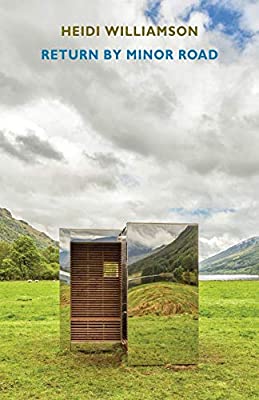
The return alluded to in Heidi Williamson’s Return by Minor Road (Bloodaxe Books, 2020) is partly physical, but predominantly one of memory and yet, the book argues, it is an almost redundant journey in that we carry important events with us anyway. In confronting a particular tragic event from the past, these poems strike me as offering routes through our current experiences – of pandemic, grief, lockdown – in particular an appreciation of the ‘minor roads’ along which we might recover a sense and shapeliness in what now strikes us as chaotic and closer to a deletion of meaning.

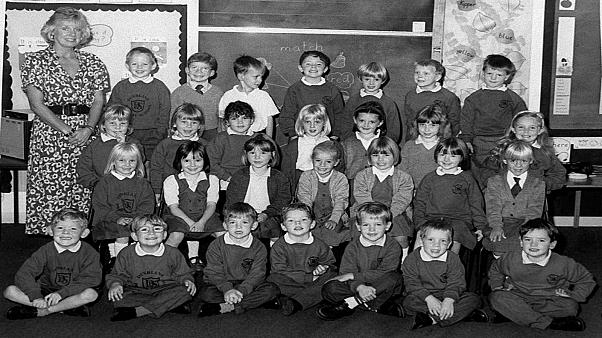
The event at the centre of this collection occurred at Dunblane Primary School, north of Stirling, Scotland, on 13 March 1996, when Thomas Hamilton shot 16 children and one teacher dead, injuring 15 others, before killing himself. It remains the deadliest mass shooting in British history. What Williamson is not doing here is exploring the nature of evil, the damaged personality of the perpetrator, or the wider political/social fallout of such terrible events. She was living in the area at the time (I think as a student) and this retrospective collection is divided into three parts: the haunting of memories (but Williamson has more powerful ways of articulating this than the ‘ghostly’ metaphor), the re-examining of the actual event, and a physical re-visiting of the location.

Teacher, Gwen Mayor, with her class of children.

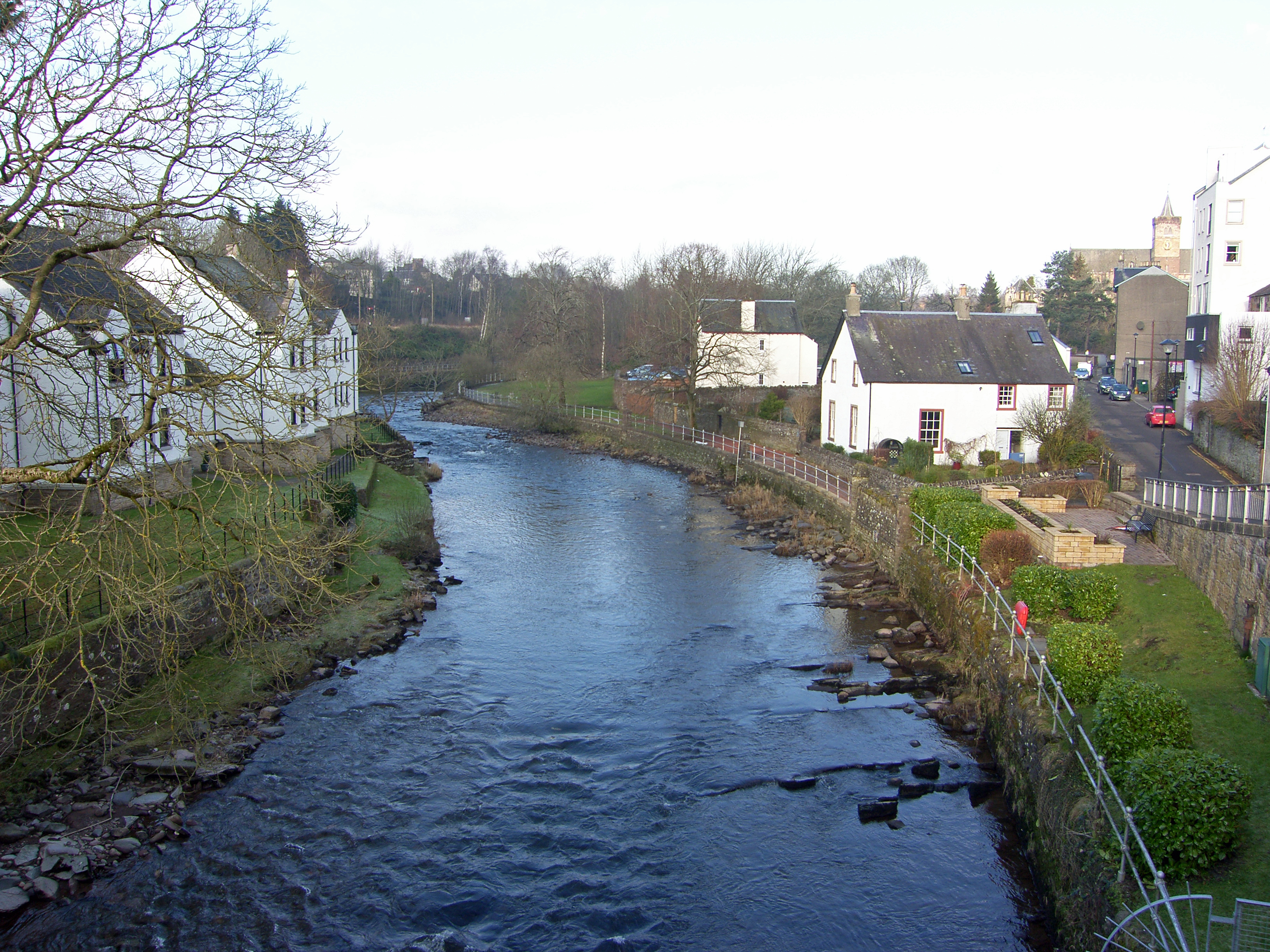
The personal nature of the response offered by these poems is flagged in an epigraph from Jane Hirshfield: “our fleeting lives do not simply ‘happen’ and vanish – they take place. She means that events do not slip away into the past, but take or carve out a place in our historical and present selves and it is this geographical/topographical idea  that Williamson pursues so effectively in many of the poems. The particular, the creaturely and the personal predominate. A mother settles her child back to sleep at night – the troubled sleep patterns of the innocent in this context have immediate resonance – and returning to her own bed she finds how awkwardly the bedspread rucks up, “how hard it is to settle”. Uneasiness at night recurs in ‘Thrawn’, images of Allan Water (the river running through Dunblane) surfacing years after the event. ‘Loch Occasional’ again uses a local geographical reference to suggest the sudden flooding of memories, when “the silt of what happened rises” and – echoing Hirshfield’s comment – the “occasional”, which one might expect to have its moment and vanish, is said to “endure”. The rise and fall of Allan Water is the primary image for the persistence of memory in so many of these poems. Rain falling, “insistently / with its own unnameable scent”, is an image chosen elsewhere and (rather more conventionally, à la Henry James) ‘Fugitive dust’ is literally haunted by the figure of a child.

Allan Water, near Dunblane

What such resurfacings mean in personal, day-to-day terms is clear in the prose poem, ‘It’s twenty-two years ago and it’s today’. Besides the form, this is a different style of writing: shorthand, a journalese of plain statement, brief jottings of a day spent with husband and child. The ordinary is tilted out of true by unwanted remembrance, manifesting as unusual quietude, the papers left unread, the phone disconnected: “Neither of us says why”. Halfway through this poem, the narrator manages to write, she says, “[s]mall hard coughs on the page”. Perhaps this alludes to the (again) quite different style of verse in ‘Cold Spring #1’ which is the key section recounting the events of the 13 March 1996, though the massacre itself is reduced to a single word, “incident”. Covering 4 pages in total, we are given dislocated fragments only – speech, visual images – as an ordinary day turns into an historical event. This works really well and, without pause, the poems move off again to explore the aftermath: phone calls from worried relatives and friends, hesitant visits to the local pub, encounters with news journalists, memorial flowers already beginning to fade.

What the book offers as healing counterweight to the massacre – and there’s no doubt that Williamson wants to offer something despite the troubled days and nights, despite quoting from Hopkins’ ‘terrible sonnet’, ‘No worst there is none, pitched past pitch of grief’, despite allusions to the “uncontrollable heart” – what the poems offer is the natural world’s existence and persistence and the innocence of the child. Williamson’s response to nature is always powerful and detailed, carrying a lode of emotional implications. As has become a commonplace idea in these ‘lockdown’ times, the loss or expansion of our narrow selves in the world of nature is redemptive. ‘Dumyat’ opens:

Some days we cried ourselves out,

packed our coats and climbed

the soggy rock to its small summit.


There was something about stepping

one by one, beside each other

without speaking, without the need.

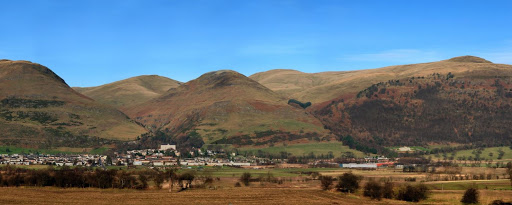
Elsewhere, striding up into the nearby Ochil Hills was a way to “clear us of ourselves”. Another poem celebrates the “Reliability of rain. / Durability of rain” and in another the (relative) unchanging nature of the nearby Trossachs offers a consolation of sorts; I guess a longer perspective in which even such human-scale horrors must be found to shrink.

View of the Ochil Hills

It is also the presence of – and the need to provide for and protect – her own child that offers a path beyond tragedy. The title poem offers a straightforward account of Williamson’s return to the landscape of Dunblane, but she and her husband visit with their child who carries nothing of what the place means to his parents, hence he is innocent, complaining, distracted, playful … The poem ends with the child playing a horse racing game, taken down from the hotel bookshelf, in a wonderful image of the onward propulsion of youthfulness, its greed for the future, the as-yet unburdened nature of its vitality: “He gallops his horses forwards, forwards”.

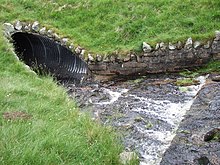
I don’t mean to give the impression that Williamson’s book offers anything like an ‘easy’ response to the horrors of Dunblane. The ‘minor roads’ by which people mostly manage to pick up their old lives – here nature and family – remain shadowed and troubled in two late poems. ‘Self’ offers a liturgical series of questions to which the poet can only ever answer “I don’t know” and the concluding poem also makes use of repetition, recording the landscapes around Dunblane once again with the repeats playing variations on the idea that all this was left behind when the poet moved away and yet all this was also carried away too. It’s the paradox of the book as expressed to perfection in the poem ‘Culvert’. More typically in this poem, Williamson observes her “unassuming heart” and the water images recur with the heart becoming a valley collecting waters and debris after a downfall (the traumatising event). But the event does not merely pass through the heart:

it was the heart,


rent in the same way

a clearing is made

by great and incremental


incidents.

Experiences make the heart what it is, carving our selves, finding a permanent place within them, shaping them for the future, always flowing through them, even if unseen for the most part:

its pulse ebbs in culverts


below neat estates,

a furtive love trickling

deeper and deeper.

Love of the natural world and love of family – especially youth – resonates through this quietly convincing collection which manages to take on its daunting subject matter and emerge, not victorious of course, but having argued on behalf of resilience, on the side of hope.