Another Look at Odysseus #5

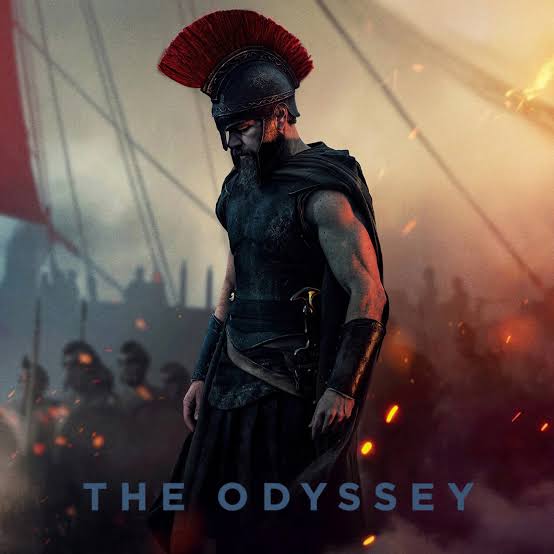
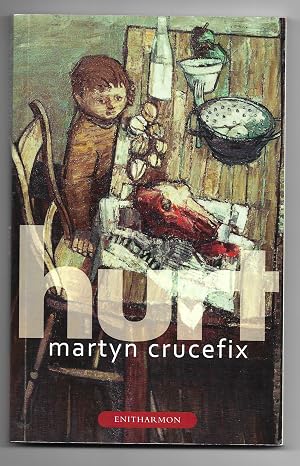
This is the fifth – and final – instalment of groups of 3 poems selected from my 2010 sequence of poems which takes Homer’s The Odyssey as its starting point. The full sequence of 22 poems first appeared in Hurt (Enitharmon Press). I have written about the development of the sequence in an earlier blog post here. The first 3 poems can be read here. The second 3 poems can be read here. The third 3 poems can be read here. The fourth 3 poems can be read here. In these concluding 3 poems, Odysseus catches sight – on the street – of a woman he used to love, who left him, who hurt him. Telemachus’s own erotic encounters with women never come to anything, yielding for him only further frustration and unanswerable questions. In Homer’s The Odyssey, Teiresias tells Odysseus, after he has killed the suitors, to continue on his travels, but this time to head inland, carrying an oar, in search of a people who know nothing of the sea.

from Essays in Island Logic

‘Same sea, same dangers waiting for him / As though he had got nowhere but older’ – W.S. Merwin – ‘Odysseus’

he considers the longevity of love

beside the plash of blue fountains
fronting the Paradise Hotel

the shade-end of Flamboyant Street

he glimpses

her unfashionable blonde

medium-cut not prison-razored or wrapped

not seen folded

to the clipped déshabillé the younger girls

begin to favour these days—

her body thickened

more severe in the black business suit

but the long swing of the left hand hers

pale strands

on the nape of the neck hers

hers that bold

address to the world’s sunny littoral

to the sunlit corner

beyond the blue of tumbling water

where now he is able to own the hurt—

no finer test

nor anything less than what his old self

would put to the sword

no more than the heart’s bloody rent

she made of him

the gaping wound surviving still

restless in its stony bed

man’s glittering and impassive ocean

to woman’s cold moon

his son finds himself looking at the moon

obscured by the flashing Bar Promo sign

the crescent moon

the night they met

the boy then with no thought of light

only gravity

her beauty as it drew him

across the dull universe of Tuesday night

the Place of Our Sacred Lady—

her glance across the tables

full of milky

outspokenness the whites of her eyes

the glossy black reserve in her pupil

those pale perfect breasts

his goal

in the ease of which he would find time

to reflect

on the nature the allure of such goals—

until the following Sunday evening

when they have outstripped

a whole series of unremarkable love songs

once more he walks

far out beyond the marina lights

once more to wrestle

with whether it’s the moon must envy

his agitation and immobility

or whether

it is he who must envy the moon’s

serenity

and slow movement

he fails to grasp good advice

what passes for gods have not finished

with him yet

says one in the bar

who had things gone better

should by rights have been forgotten—

when you think you are done

there is still further to go

with something across your shoulder

you are not sure is not a gun

because you find yourself

travelling amongst people

who know nothing of the sea

who eat no salt

who have not seen a ship’s purple sails

nor the long oars that drive them—

they ask

what is this something-something

across your shoulder

suggesting you lay it down

lay it right here

that you perform what rituals you recall

then perhaps if things had gone better

had this love

this hurt even the bright wind’s shifting

this dream this joy

at the glittering brink of sight

where the sea-rise sways

to bring in another

this next of catches

from the salt’s sharp throat
Another Look at Odysseus #4

This is the fourth instalment of groups of 3 poems selected from my 2010 sequence of poems which takes Homer’s The Odyssey as its starting point. The full sequence of 22 poems first appeared in Hurt (Enitharmon Press). I have written about the development of the sequence in an earlier blog post here. The first 3 poems can be read here. The second 3 poems can be read here. The third 3 poems can be read here. In these next 3 poems, Penelope tries to work out her understanding of the black, volcanic fields which lie high up at the centre of the island of Ithaca, but she feels the limitations of the life she has been expected to live make this impossible. Odysseus is wrestling with the facts of change and suffering. He thinks of his dog, Argos (who features a good deal in Nolan’s film), not merely their recognising each other, but their being capable of loving the apparently unlovable. Later, Penelope, knowing she is ill, drives up into the Ithacan hills in search of a shaman, in search of a cure.

from Essays in Island Logic

‘Same sea, same dangers waiting for him / As though he had got nowhere but older’ – W.S. Merwin – ‘Odysseus’

his wife remembers the High Centre

in the Crater Zone

curves like highways giant magma slicks

the cone’s last eruption

earth’s seismic sneezing

black peppercorns the size of footballs

the shape of human heads

the size of black refuse sacks

big as overturned cars—

the last thing old men remember

that there were years before this darkness

this turning inside-out

these older oxidised rust-red levels

that begin to wrap themselves

in pine and stonecrop

the age for which all subsequent ages

pay unwilling price—

yet what she saw was more like eternity

grown short-lived

and what she witnessed

everything getting ready to dissolve

where old men cry out

watch that mountain watch that mountain

the bravado

of youngsters sneering and shrugging up

fuck this shaking my fucking feet

her understanding how this must be

and that she can lay claim to neither

having waited too long

he considers what the young have to teach

to stand up invisible

as a forked child squalls in the whip

and withdrawal of waves

black sand thrown at shins and toes

sensing

the slither of ground beneath

and surely love this thrill of it

knifing him ecstatic

establishing its open wound

its soul-shaping progress the young know

yet unaware of—

trying to re-learn this

in part the effort not to flinch

as the dog he trained when young

coursing wild goat and deer and hare

like its master

no quarry able to slip away—

yet when he returned

almost unrecognisably changed infested

with ticks

half-dead from twenty years of neglect

an old rug

lay in the agave shade

dog and master thumping in recognition

barely able to drag themselves together

each as unpalatable

no finer test

the unlovable other

his wife drives herself there and back

only in the High Centre could the shaman

be uncovered

his reputation for re-building those

who ascend through the pine belts

women particularly

pick across the lava fields

put themselves in his hands

feeling disappointed or depressed

bringing their clicked back

or cracked heart—

she brings a lump in her right breast

he will spirit

to the basalt from which it was born

in its place

locates a piece of red coral

thought to transpose itself to human flesh

at his whirling prayer

though it must continue to ache

like a pulled tooth

to the probing helplessness of her tongue—

winding from the brutal fields

she tries the descent

crossing the long shadows of pine trees

enlivened by the hope of lying

precious again slowly

under a husband’s kiss that will be ready

to touch and test and find

her out again

Another Look at Odysseus #3

This is the third instalment of groups of 3 poems selected from my 2010 sequence of poems which takes Homer’s The Odyssey as its starting point. The full sequence of 22 poems first appeared in Hurt (Enitharmon Press). I have written about the development of the sequence in an earlier blog post here. The first 3 poems can be read here. The second three poems can be read here. In these next 3 poems, Penelope finds herself thinking about the island’s volcanic past and about the tourists who come to this modern version of Ithaca. What are they looking for? Odysseus has taken to reading Ibsen (of all writers) and questions his old attitudes to language, purpose, to the ‘things / laid open around him’. Telemachus, meanwhile, can only bitterly see reflections of himself in the island’s schoolchildren, even in the island’s desolate landscape.

from Essays in Island Logic

‘Same sea, same dangers waiting for him / As though he had got nowhere but older’ – W.S. Merwin – ‘Odysseus’

his wife watches a fragment of rock

where her husband

rakes black leaves from the blue water

she watches them ruddy their faces

off-comers holding their breath behind

the Paradise Hotel

words like appointment

second quarter cumulative results

becoming a strange language to them—

their longest meeting poolside at noon

where dolphin-like

they go ducking for silly-coloured stones

the stubbled father

resting one on his belly

floating

as youngsters splash to plunder it

folding up around the black

micro-aerated chunk of volcanic clinker

picked from the wall—

the eye of a shark

once punched well past the cruising height

of in-coming white jets

extruded at such extravagant pressures

superheated shot past

self-determination

the long wait paying off now time settles

to slower rhythms

it sidles

down through the clear blue water

he considers the uses of his mouth

sits down with one of those great writers

who managed to survive

nearer the Arctic Circle

who kept a scorpion under a glass

till he saw it visibly sickening

would fetch soft fruit

for it to sting

poison expelled it would be well again—

what has accumulated within him

over the years

he sees now as incoherence

as a submerged and unmapped ocean bed

invisible from the quayside

and the looked-for cure

to bring it into relation with language

though not mere eloquence this time

rather a purpose

more worthy than the need to persuade

than this blind

preservation of the healthy organism—

what must be loosed in his mouth

he thinks of these days

as some finer sense as stark contradiction

to his old occlusion

what must be loosened and laid open

to the multitude of things

laid open around him

more smile than sting

his son has a vision of the lava flows

after ten years

then ten more lost at sea

his son would sometimes catch him fretting

at the school’s new green security gate

watching each year-group

growing restive

fumbling with how to fulfil themselves

children

ignorant of how to work themselves

into their own lives—

like the island’s native rock

blackened and pocked as a fossil sponge

completely unworkable

so the art of sculpture never took root

where tarmac ribbons

cut across fields of lava

razor-edges murderous to shoe leather—

still boys free wheel off the road

at any hour of the day

to stand cooling

in the empty mouths of airless tunnels

no taller than themselves

where lava-flows boiled

each burrowing far beneath hardening crust

threads glowing huge and slug-like

undeflected heads down

single-mindedly

shouldering their way to the sea

Another Look at Odysseus #2

This is the second instalment of groups of 3 poems selected from my 2010 sequence of poems which takes Homer’s The Odyssey as its starting point. The full sequence of 22 poems first appeared in Hurt (Enitharmon Press). I have written about the development of the sequence in an earlier blog post here. The first 3 poems can be read here. In these next 3 poems, Odysseus considers Ithaca’s rise to fame – or notoriety – as a tourist destination, mirroring the decline in the kind of values to which he once aspired. The decommissioning of a lighthouse on the island reflects this – as does the plight of the now unemployed keeper of the lighthouse. Father and son often argue: Telemachus’ angry, cynical, frustrated searching for ‘definition’, versus his ageing father’s long-gestating, baffling, acceptance of ‘what is’.

from Essays in Island Logic

‘Same sea, same dangers waiting for him / As though he had got nowhere but older’ – W.S. Merwin – ‘Odysseus’

he considers the process of history

from his eyrie starting

awake to the increasing white cliffs

of tourist palaces

their long blue necklaces of pools

lessons in history in his morning glimpse

of black-rock coastline dragging itself

from the glittering ocean off-comers

come for—

a graph line of island population

first registering in rock-pool shallows

gathering to a barely visible invasion

of black-grit beaches

sudden

vertical lurching up the volcanic cliff-face

from which all the insular myths

have flowed—

the heroic defence of a once-chosen race

proud statues

of outstanding individualists

a glorious empire of ruins

and footholds explosive progress of suitors

and singles

sharks and shysters

piling their millions into breezeblock

apartments

lamps and leatherwear

cheques and beer and bermudas dropped

at twinkling nightfall

finding their way to washed-up dawn

he considers improvements on the island

hand-in-glove with mainland government

they automatise

the lighthouse

that has long set its foot

in basalt veins under Black Point

convert the lighthouse-keeper’s rooms

to holiday lets

as if we did not have enough

till the last keeper

is drunk all day on the marina wall

has visions

grows full of omens

the squabbling children

pelt him with crab shells and fish ends—

loitering for hours after nightfall

his quiet staring

into the rhythm of his usurped home

its appointment

flawless now the machinery pulses

and the human plays dumb—

as dough-bodied hermits

revert to submergence and silence

as he is driven

to and fro by the tide

striking out for borrowed shells

every gesture becoming more imprecise

every gesture

becoming obscured by the night

the ghostly

tongue-tied disenfranchised soul

his son rehearses one of their many arguments

petals! explodes the angry young man

stammering oath on oath

at what his own feet trample on

scarcely glorified seabed

nothing more than rock and sand

in the cold deeps

where light does not come

where life

is an afterthought if it’s anything at all—

such noisy convictions

that even earth’s imprisoned and incapable

it cannot choose

but rather balloons out at random

rupture! he cries

about which old men know fucking plenty!

innards extruded molten rock

earth of course in search of definition

gas and fire

mixed with the freeze of water

is all—

over and over this same mistake

this same spill spew going solid to pile

a homeland

its unforgiving soil

this scurf of life that sprawls across it

says his father

I know what you say but try to explain

purple petals

on my doorstep all summer long

Another Look at Odysseus #1

This is the first instalment of groups of 3 poems selected from my 2010 sequence of poems which takes Homer’s The Odyssey as its starting point. The full sequence of 22 poems first appeared in Hurt (Enitharmon Press). I have written about the development of the sequence in an earlier blog post here. In these 3 poems, Odysseus, now an old man, walks the Ithacan landscape in search of an old grave stele he recalls as presenting an heroic image of a young fighting man, only to find the passage of time has changed his view of it. Meanwhile, Telemachus is still searching for opportunities to prove his own idealistic, militaristic, heroism in service to a clear-cut purpose (that he has yet to discover). Penelope dreams (again) of her own childhood, her husband appearing suddenly as an eagle, intent on marrying her, changing her life forever.

from Essays in Island Logic

‘Same sea, same dangers waiting for him / As though he had got nowhere but older’ – W.S. Merwin – ‘Odysseus’

he considers the passage of time

old man walking retirement

up the hillside below the pine belts

past centuries-old spilled

sarcophagi looking

to recover one particular grave stele—

this

sure as he can be

this one under a triangular pediment

the young man leaning back in bas relief

such a contemporary slouch

legs crossed at the ankles hips thrust out

in contemplation

a warrior’s helmet held at arm’s length

its long plume

like a lion’s tail

seeming about to respond to his ambitious

nature his searching

out the end of all complexity—

he sees now the boy’s had his forehead

chipped off

the kid is brainless and beautiful

about second century BC

marking the grave of a dead warrior

an old man all but forgotten

after dusk

walking retirement down the dark hillside

bringing it to the surf’s edge now

like a child

his son wakes and wanders round the house

stirring in the small of night

the boy raises himself to a gluey throat

fattened lips

feels his way

downstairs to the unlit kitchen

to be surprised by the winking of lights

like campfire signs

wasteful stand-bys burning

on the distant hillsides

of radio microwave fridge and oven—

leans into polished taps

knocks back glass after re-hydrating glass

dregs of last night’s beer

incline him to hear the muttering of troops

on the dark flanks of hills

the clank of billies scouring of blade edges

a vastness of purpose

drawing up the life he never possessed—

knows he would have been astute

clear-headed then

consulted through the terrific nights

by faithful generals

who’d hymn his black ferocity

his desire for the acid tests of dawn

that will never come

but the obscurities of blame

upstairs his father singing in his sheets

dull as new-born

his wife is restless in her sleep

a girl once again shepherding the flock

of twenty geese

like pets she lords it over them

a pack of baying dogs

showing pale against dark volcanic soil

waddling from the round pond

on her father’s farm

crowding to eat the grain she lends them

till eagle cruelty with steely talons

sweeps out of a sky

apparently twenty years deep—

feathers

explosive as when white cherry blossom

is ripped by the wind

a blur of wing white/black failing

she screams wrestling to beat

the bird off in vain

her flock a shredded bloodied mattress—

imperious eagle on the rooftree

tilting its eye to ocean distance

into blue ocean

it’s me your husband come to set you free

her sphere of influence diminished

twenty-fold

but continues to be grateful

touching heaviness in her right breast

cannot recall

how many times she has dreamed this

New podcast discussion on Between a Drowning Man

I’m very pleased to announce that Mark McGuinness’ excellent poetry podcast, A Mouthful of Air, which has recently featured poets such as Mona Arshi, Judy Brown, Rishi Dastidar, Ian Duhig, Mimi Khalvati, Clare Pollard, Tom Sastry, and Denise Saul, has recorded a discussion about my new Salt collection, Between a Drowning Man.

Mark’s method is to focus on one particular poem and between us we chose the poem ‘you are not in search of’, on page 57 of the new book, from the latter end of the ‘Works and Days’ sequence. You can listen to the podcast here. It’s about 40 minutes in length and includes a reading of the poem at the beginning and end. There is also a helpful transcription of our discussion.

Here is the poem text – though without the indents which are hard to reproduce here:

‘you are not in search of’

‘There has to be / A sort of killing’ – Tom Rawling

you are not in search of a gilded meadow

though here’s a place you might hope to find it

the locals point you to Silver Bay

to a curving shingled beach where once

I crouched as if breathless as if I’d followed

a trail of scuffs and disappointments

and the wind swept in as it usually does

and the lake water brimmed and I knew the thrill

of its mongrel plenitude as colours

of thousands of pebbles like bright cobblestones

slid uneasily beneath my feet—

imagine it’s here I want you to leave me

these millions of us aspiring to the condition

of ubiquitous dust on the fiery water

one moment—then dust in the water the next

then there’s barely a handful of dust

compounding with the brightness of water

then near-as-dammit gone—

you might say this aloud—by way of ritual—

there goes one who thought much of life

who found joy in return for a little gratitude

before its frugal bowls of iron and bronze

set out—then vanished—then however you  try

to look me up—whatever device you click

or tap or swipe—I’m neither here nor there

though you might imagine one particle

in some stiff hybrid blade of grass

or some vigorous weed arched towards the sun

though here is as good a place as any

you look for me in vain—the bridges down—