Another Look at Odysseus #4

This is the fourth instalment of groups of 3 poems selected from my 2010 sequence of poems which takes Homer’s The Odyssey as its starting point. The full sequence of 22 poems first appeared in Hurt (Enitharmon Press). I have written about the development of the sequence in an earlier blog post here. The first 3 poems can be read here. The second 3 poems can be read here. The third 3 poems can be read here. In these next 3 poems, Penelope tries to work out her understanding of the black, volcanic fields which lie high up at the centre of the island of Ithaca, but she feels the limitations of the life she has been expected to live make this impossible. Odysseus is wrestling with the facts of change and suffering. He thinks of his dog, Argos (who features a good deal in Nolan’s film), not merely their recognising each other, but their being capable of loving the apparently unlovable. Later, Penelope, knowing she is ill, drives up into the Ithacan hills in search of a shaman, in search of a cure.

from Essays in Island Logic

‘Same sea, same dangers waiting for him / As though he had got nowhere but older’ – W.S. Merwin – ‘Odysseus’

his wife remembers the High Centre

in the Crater Zone

curves like highways giant magma slicks

the cone’s last eruption

earth’s seismic sneezing

black peppercorns the size of footballs

the shape of human heads

the size of black refuse sacks

big as overturned cars—

the last thing old men remember

that there were years before this darkness

this turning inside-out

these older oxidised rust-red levels

that begin to wrap themselves

in pine and stonecrop

the age for which all subsequent ages

pay unwilling price—

yet what she saw was more like eternity

grown short-lived

and what she witnessed

everything getting ready to dissolve

where old men cry out

watch that mountain watch that mountain

the bravado

of youngsters sneering and shrugging up

fuck this shaking my fucking feet

her understanding how this must be

and that she can lay claim to neither

having waited too long

he considers what the young have to teach

to stand up invisible

as a forked child squalls in the whip

and withdrawal of waves

black sand thrown at shins and toes

sensing

the slither of ground beneath

and surely love this thrill of it

knifing him ecstatic

establishing its open wound

its soul-shaping progress the young know

yet unaware of—

trying to re-learn this

in part the effort not to flinch

as the dog he trained when young

coursing wild goat and deer and hare

like its master

no quarry able to slip away—

yet when he returned

almost unrecognisably changed infested

with ticks

half-dead from twenty years of neglect

an old rug

lay in the agave shade

dog and master thumping in recognition

barely able to drag themselves together

each as unpalatable

no finer test

the unlovable other

his wife drives herself there and back

only in the High Centre could the shaman

be uncovered

his reputation for re-building those

who ascend through the pine belts

women particularly

pick across the lava fields

put themselves in his hands

feeling disappointed or depressed

bringing their clicked back

or cracked heart—

she brings a lump in her right breast

he will spirit

to the basalt from which it was born

in its place

locates a piece of red coral

thought to transpose itself to human flesh

at his whirling prayer

though it must continue to ache

like a pulled tooth

to the probing helplessness of her tongue—

winding from the brutal fields

she tries the descent

crossing the long shadows of pine trees

enlivened by the hope of lying

precious again slowly

under a husband’s kiss that will be ready

to touch and test and find

her out again

Into the Swims – or She’s Leaving Home

A remarkable thing has happened in our house this week. My daughter’s room has been tidied – and it has remained that way.

The duvet is unrumpled on the bed. A phone charger remains thoughtfully unplugged on the floor beside the bed. The pages of Donna Tartt’s The Little Friend have not been turned any further. The few coins on the desk wait to be spent. No rubbish is accumulating in the plastic bin beside the desk. A laundry basket has been emptied and seems not to be refilling as it usually does. There are few clothes hanging in the wardrobe. The door stands open onto the landing for days on end. There is hardly a movement in the wave-shaped mirror beside which, vertically, a friend wrote in pencil  ‘Don’t crack the mirror’. Actually, to be truthful, there is the slightest of motions to be seen there – it’s me standing in the centre of the room, staring around.

We took her to university last weekend. We miss her. And in the absence of more detailed news we’re pretty sure she’s having a good time. She’s never friended us on Facebook but she somehow did so ages ago with my parents. So we hear remotely about smiling pictures, roseate cheeks in flashlight, black backdrops. I think yesterday she was supposed to be attending her first dissection (I remember that vividly – more of that in a later post perhaps).

In the mean time, to wish her well and permit myself some lovely sentimental thoughts of her in younger days, I thought I’d post a couple of older pieces I wrote which feature her.

2007_0413Northumberland0139

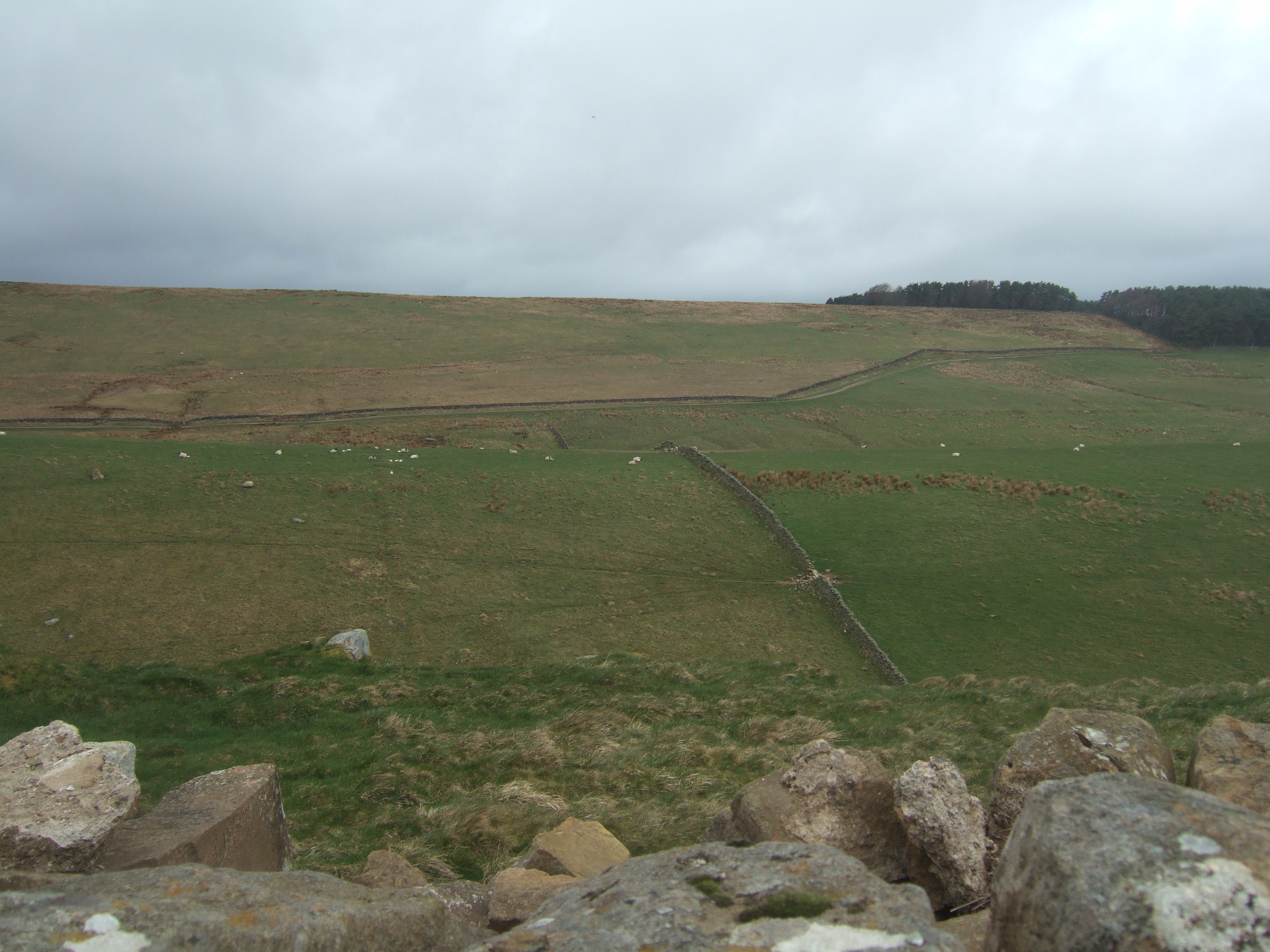
Both these poems originally appeared in Hurt (Enitharmon, 2010). The first derives from a walk we pursued when she was about 5, I think. By walk I mean, she walked a bit and I carried her on my shoulders the rest of the way. This was probably in the hills near Sedburgh – sheep country, close-cropped grass, heather, little stony paths. I suspect we plotted a waterfall or two into the route for a few squares of chocolate (temptation) for her and her older brother.

One thing after another

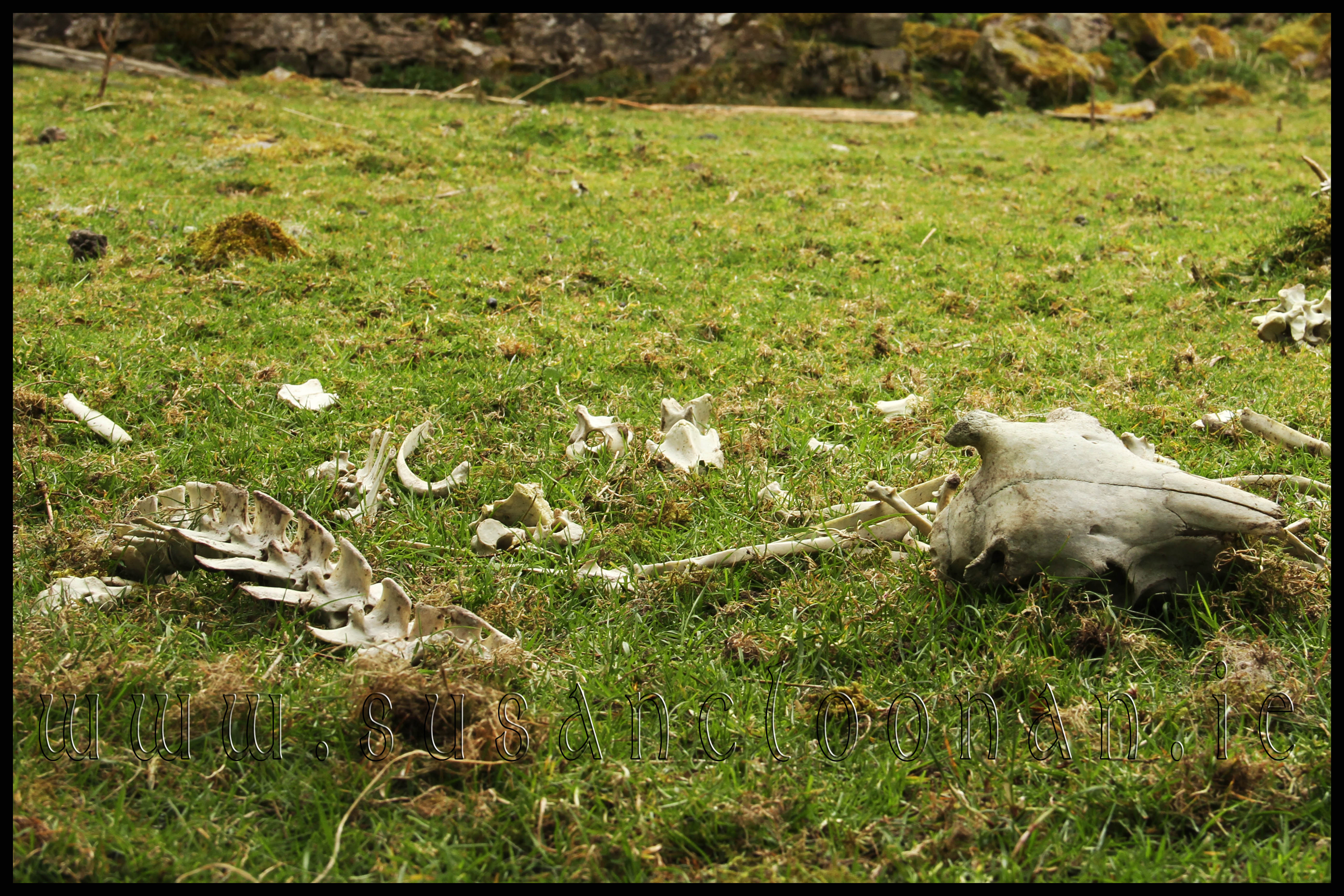
The ivory, angular vertebra I found
the day after the day my daughter found

and tried out her new word – fuck –
was bony, spiky to touch, rough as fuck.

I thought: Depths! Essence! Bone!
She bent to it, touched it, turning bone.

Leave it, I called. She said, Is it real?
White in the grass the contrast was real.

skull4

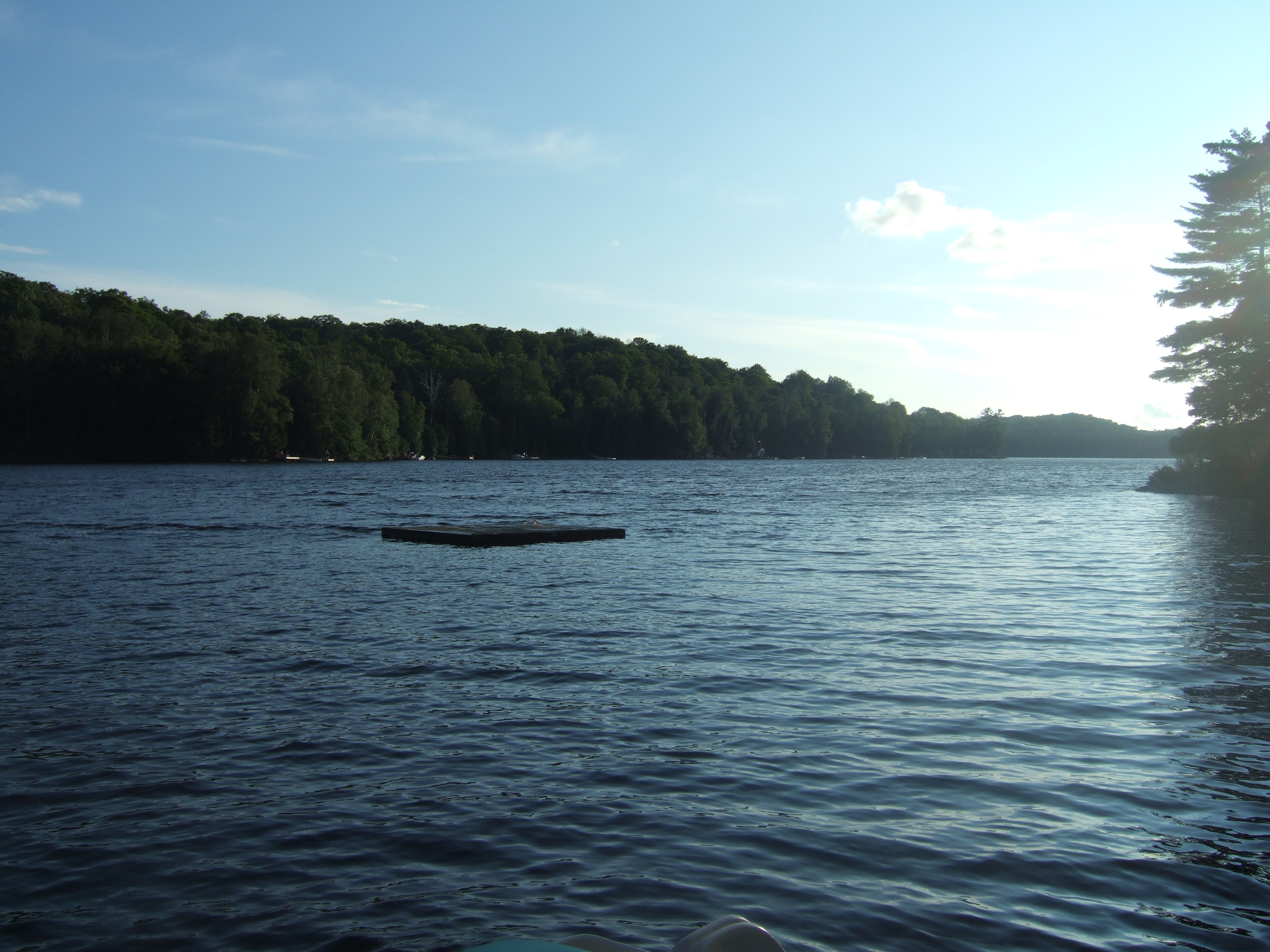
The second poem is later, from an occasion when we were visiting Canadian cousins, staying in a house in the Lake Country north of Toronto. To me it felt like something out of early Margaret Atwood and we spent ages fishing from the rickety wooden dock, paddling in a rowing boat and (as here) swimming out to a tethered raft (she has always been a good swimmer).

2008_0809Canada20080117

There is a well-buried allusion to Milton’s Paradise Lost in the middle of this poem – from the description in Book 1 of the fallen angels or devils closing in around Satan (“their doubl’d ranks they bend / From wing to wing, and half enclose him round / With all his peers” ll. 616-8). This is the second part of a sequence called Wilderness:

See my flesh and blood

here, bright and true

as a sun on the rise,

she launches herself

from the anchored platform,

flies into the air

over the blue-lit water,

unaware of tethers

beneath the surface,

of ropes, trailing weed,

slime, mud and scales

stiffening in reaction

to her vigorous action.

Here she is, hanging,

all parts my daughter,

curling like a ball,

the sudden black water,

while the white trunks

of ten thousand trees

cram the lake shore

and enclose her round.

All sounds hang back

as she arcs and peaks,

begins her slow bow

to the pull of gravity,

the smash of water,

the great churning

of foam and white limbs

yellowing as they spread

to carve out stroke

after buoyant stroke

into the swims of joy

and grief she’ll tread.

2007_0413Northumberland0079