Two New Poems – at ‘The High Window’

Two new poems by yours truly – one featuring class, eroticism, and valeting a car and the other of 4 quatrains of mourning modelled on a little-know poem by Bertolt Brecht – have just been published/posted on The High Window website here. Do click the link and read the poems there – the site (edited by poet David Cooke) publishes a number of poems by different authors, so to see mine scroll down (alphabetically). There is of course lots of other interesting work on show by these excellent poets: Anindya Banerjee • Robyn Bolam • Pat Boran • Malcom Carson • Maggie Castle • Martyn Crucefix  Peter Daniels • Mair De-Gare Pitt • Frank Dullaghan • Alexis Rhone Fancher • Marilyn Francis • Greg Freeman • Jeff Gallagher • Mark Granier • Gill Learner • Emma Lee • Alison Mace • Patricia McCarthy •  Beth McDonough • Fokkina McDonnell • Maggie McKay • Ted Mico • Sean O’Brien • Tanya Parker • Sheenagh Pugh • Tracey Rhys • Padraig Rooney • Ernesto P. Santiago • Andrew Seear and Victor Adereth • Richard Skinner • Angela Topping • Mark Totterdell • Miriam Valencia • Scotia Vincent • Rodney Wood  Marc Woodward . In my experience, people are always eager to hear about the origins of poems (perhaps because their beginnings are often both mundane and utterly mysterious) so I thought it might be a chance to say something about these two in particular.

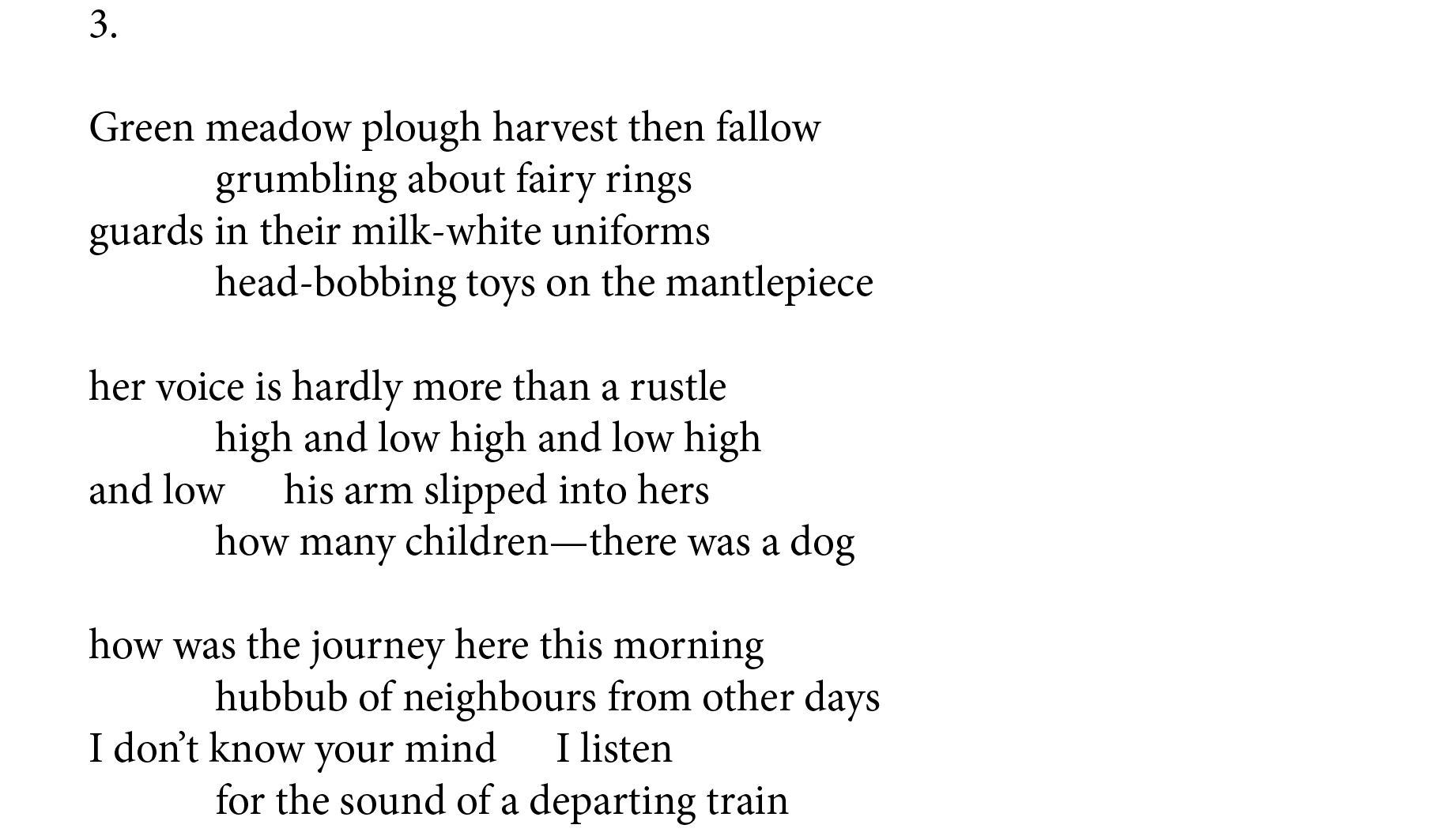
The Brecht-related poem arose after I’d attended a discussion on the German poet/dramatist by David Constantine. One of the poems he presented to those attending (with his translation) was ‘Buying Oranges’. This is one of the poems Brecht wrote for his lover, Margarete Steffin, in the 1930s. Constantine’s translation (from The Collected Poems of Bertolt Brecht (Norton, 2019) goes like this (hear it read by Daisy Lafarge here):
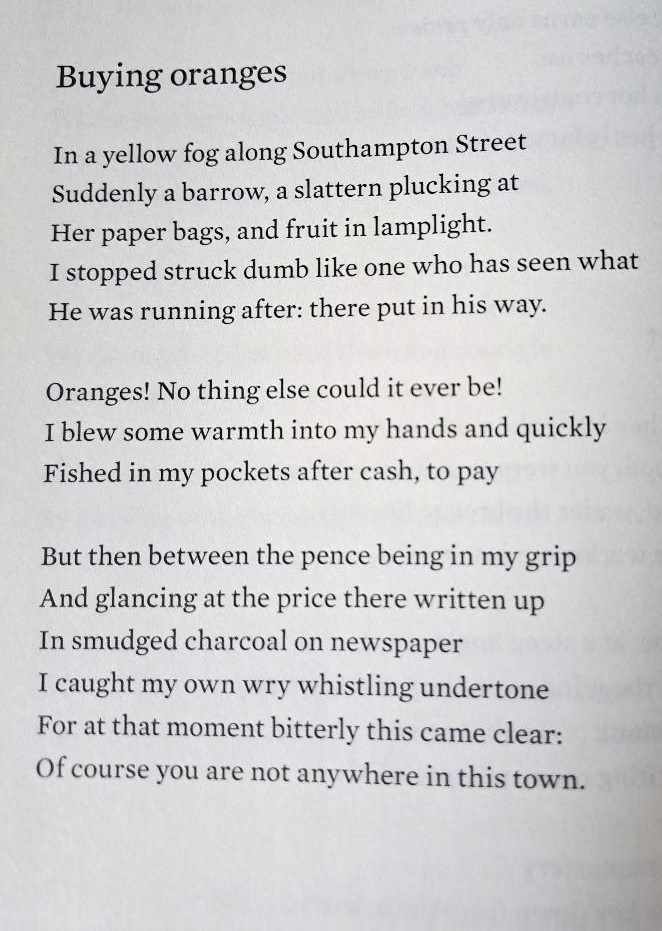
It was the circumstances surrounding my first acquaintance with this poem that led me to write a very loose version of it. I’d booked the event with David Constantine months before, but it happened that my mother sadly (but not unexpectedly) died in her Wiltshire care home the night before. I debated what I should do but decided in the end to attend the talk (I figured there was nothing urgently to be done; Dad had died a year or two before). The world looked different of course. In fact the day was bright and sunny. The event was near Holborn (not far from Southampton Street itself). As you’ll see, I turned oranges into chrysanthemums (my mother’s favourite flowers) and I find now that I lengthened BB’s irregular sonnet to 16 lines. Here’s my version:

ON SOUTHAMPTON STREET
after Bertolt Brecht

A mizzling cold fog on Southampton Street
then suddenly a market stall
with its spectral blooms
under a bare bulb preternaturally lit

a sullen frizz-haired girl cutting stems
and I’m dumbstruck as one who’s found
the thing he looked for
here—at arm’s length—chrysanthemums—

nothing but them! I blow on stiff fingers
plunge them into a pocket for coins
but between fumbling silver
and glancing back up to check the price

scrawled on a yellow card it feels as if I
interrupt myself—a dull under-voice
lifted in bleak remembrance—
since last night you’re not here or any place

The second poem appearing on The High Window this week had a much more mundane beginning. Several years ago (how long can some poems take to arrive in their proper form?) I was staring from a window (in a classroom – perhaps I was invigilating a test) and down in the car park below I saw a car valet parking up his van next to a much fancier car. I seem to have watched him pretty carefully if the poem is to be believed (which I’d usually say not to). Gradually, the poem acquired its erotic undertones (the lovers back to back in bed, the intimacy of the hand-washing, the moisture, the smells, the final turning away) which surprised me as I thought the poem was mostly a comment on work, labour (I love poems about processes) and ultimately about class differences (for money, one man cleans another man’s car). The epigraph is, of course, from Donne’s great love poem ‘To His Mistress Going To Bed’ but here is intended to reflect the working man’s thoroughness!

MOBILE CAR VALET
‘Before, behind, between, above, below’

Like a pair of lovers back-to-back bored in bed
his white van closes rear bumper to bumper

he opens the doors wide and starts to squeegee
the mucky hubs of the big black German

from a sudsy bucket he works the dusty body
with a chamois leather inscribing S-shapes

like the briefest foaming of bold graffiti over
and round wing mirrors and shining roof rails

then balanced on a tyre sweeps half the roof
now the other side and inside across the length

of the dash a pale duster the armrests especially
working the driver’s side then a jet-spray

jumps into hissing life spilling gassy whites
over the wings and the tyres his best weapon

set back in the van then out with the ancient Henry
its scarlet chess piece and snaking black hose

used to scour the seats deep into the footwells
and the chamois is back again to buff stray drops

on windows with windolene it smells good to him
now the doors slammed the remote locking chirps

as he carries the fob back into the marble foyer
like a hatchling his van waits out the length

of one smoke nothing to say to the big German
where it glitters alongside already turning away
Remembering Blue Nose Poetry events in London

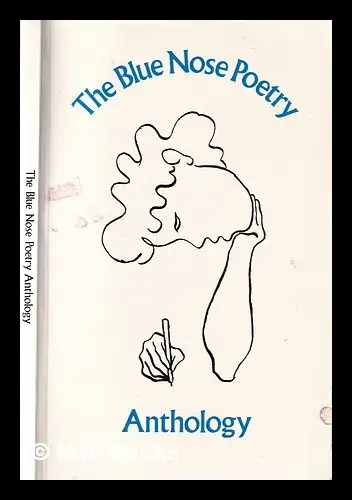
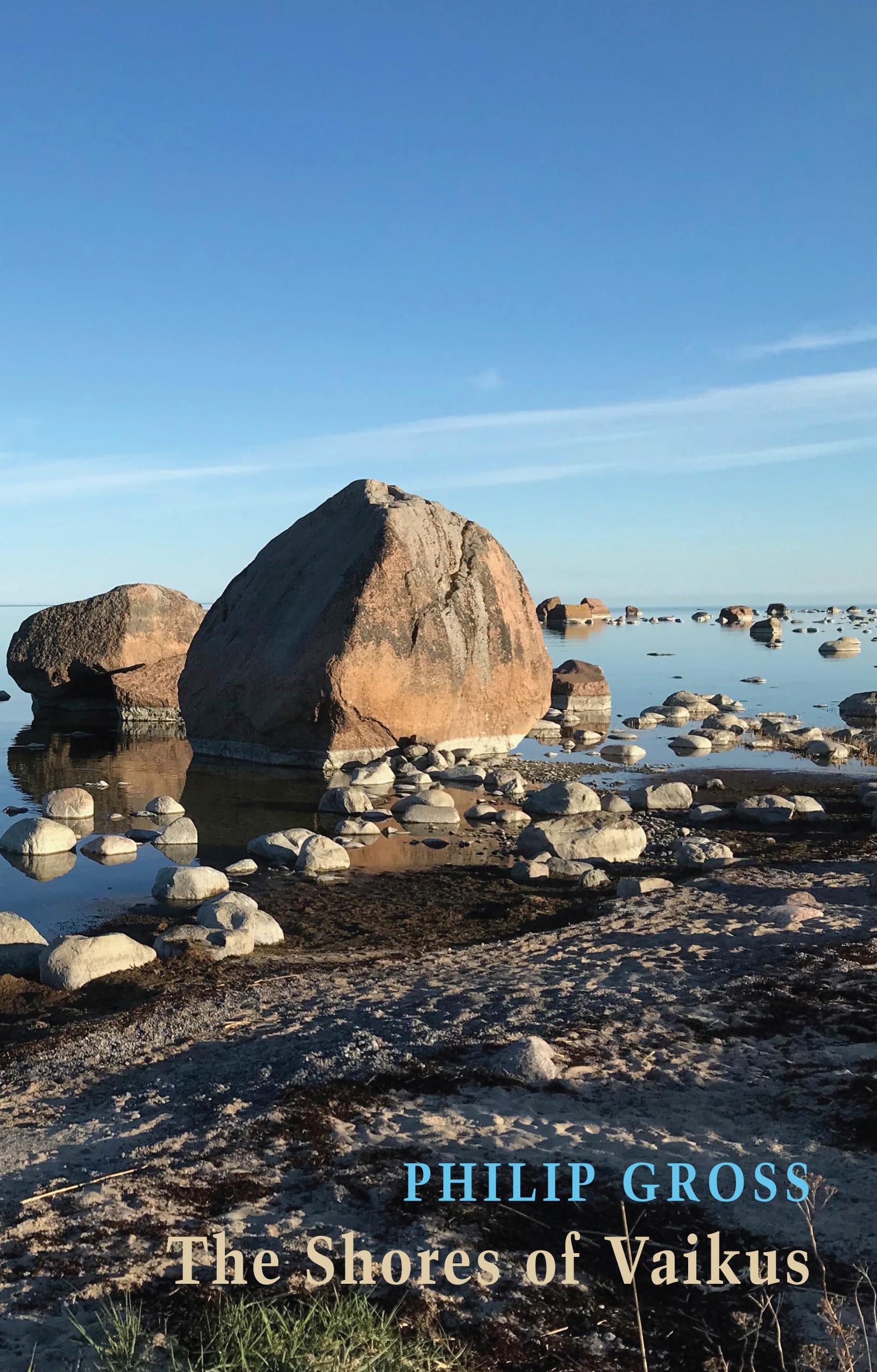
I recently attended the launch of Philip Gross’ new collection, The Shores of Vaikus (Bloodaxe Books, 2024) at the Estonian Embassy (the poems and prose pieces in the book refer to Gross’ father’s Estonian heritage and the poet’s visits to that country). I’ve followed his poetry since Faber published The Ice Factory in 1984. Neither of us could recall when we’d last met up but, after the event, I remembered that Philip was one of the first poets to read at the series of poetry readings (and associated workshops) I helped curate in the late 1980s/early 1990s, the Blue Nose Poetry series in London. I introduced him on the occasion (I still have the notes I made for the event in a Notebook for Spring 1989). I checked out the precise date in The Blue Nose Poetry Anthology (1993) which has sat on my shelves for many years now. The Blue Nose Poets (for personnel see below) invited all those who had read in the series to submit work and it strikes me now that it would be a shame if a record of our endeavours over a number of years was lost to sight completely. So, I’m posting here the Introduction to the Anthology and the full list of readers who appeared (often being paid nothing or a mere pittance) between 1989 and 1993. Interesting? I think so – given we hosted the likes of Dannie Abse, Patience Agbabi, Moniza Alvi, Simon Armitage, James Berry, Robert Creeley, Fred D’Aguiar, Michael Donaghy, Carol Ann Duffy, Michael Horowitz, Jackie Kay, Adrian Mitchell, Peter Porter, Peter Reading, Michèle Roberts, Ken Smith, and many more.

Introduction to The Blue Nose Poetry Anthology

This anthology celebrates four years of Blue Nose Poetry in London. Its beginnings can be traced back to 1988, when Sue Hubbard advertised for members to join a small poetry workshop at her house in Highbury. Amongst others who began meeting regularly were the four founder members of the Blue Nose: Sue, Martyn Crucefix, Mick Kinshott and Denis Timm. At that time, poetry readings in London seemed to be in the doldrums. Uninviting rooms and draughty halls with chairs in impersonal ranks were often depressingly matched by poor organisation. The Blue Nose Poetry activities were set up with the express intention of providing workshops and readings in a friendly, accessible and organised atmosphere for new voices, up and coming writers and the already established. We were convinced that a cabaret setting of tables, candles and a drink with other enthusiasts could make poetry enjoyable. It was only with the discovery of The Blue Nose Cafe in Mountgrove Road, close to Highbury Stadium, that we found a name for the project and the real success of the Blue Nose began.

Our first poets came to the Cafe and read out of the goodness of their hearts. We thank them all once again. The first event with Michèle Roberts was packed and exceeded our wildest expectations. Within the course of one evening we had proved that exciting contemporary poetry could be presented really successfully. Soon, in response to Blue Nose’s track record of commitment and quality, GLA (later LAB) and Islington Borough agreed to support the project. Since then, there have been various changes. Mick Kinshott felt unable to continue as an organiser in 1990 and his commitment and humour was a great loss. His place was taken for two years by Bruce Barnes, whose knowledge of the poetry and arts funding world in London proved invaluable to the development of the project. More recently, Mimi Khalvati and Mario Petrucci have joined the three original members. In the middle of the Spring 1991 season, the Cafe where we held the events went into liquidation and a reading by Tom Pickard and Rosemary Norman sadly had to be called off. Regular events did not begin again until May 1991, when we moved into the more accessible, roomy and centrally located Market Tavern in Islington. Despite the many advantages of this new venue, there are a few who still regret the passing of the old Café which, though tiny, disorganised and terminally broke, did have a superb atmosphere for poetry.

In an appendix to this anthology, we list all the readers who have appeared at the venue/s – a genuinely comprehensive survey of poetry in recent years. This, of course, does not include the many poets who have had the opportunity to read from the floor at Blue Nose events. More importantly, this book contains no record of the hundreds and hundreds of people who have enjoyed and supported Blue Nose Poetry. This book is dedicated to them.

Martyn Crucefix / Sue Hubbard / Mimi Khalvati / Mario Petrucci / Denis Timm

Full List of Main/Support Readers for Blue Nose Poetry Seasons 1989 – 1993

March – July 1989

Michèle Roberts read with Martyn Crucefix; Philip Gross read with Sue Hubbard; Jeremy Silver read with Mick Kinshott; Jo Shapcott read with Denis Timm; Leo Aylen read with Gerda Mayer; Alison Fell read with Hume Cronyn; The Blue Nose Poets; Carole Satyamurti read with Barbara Zanditon; Michael Donaghy read with Rupert Slade; Adam Thorpe read with Al Celestine.

Philip Gross

September – December 1989

Ken Smith read with Mimi Khalvati; Anna Adams and Julian May; Gerda Mayer read with Chris Powici; The Blue Nose Poets; The Performing Oscars; Maura Dooley read with Sara Boyes; Fred D’Aguiar read with Matt Caley; Matthew Sweeney read with Hilary Davies.

January – April 1990

Fleur Adcock read with John Harvey; Dannie Abse read with Myra Schneider; Elaine Randell read with Frances Presley; Hugo Williams read with Keith Spencer; Pitika Ntuli read with Bruce Barnes; John Cotton read with Bridget Bard; Michele Roberts read with Peter Daniels.

Robert Creeley

May – July 1990

The Blue Nose Poets; Sarah Maguire read with Vicki Feaver; Jeni Couzyn read with W N Herbert; James Berry read with Susan McGarry; Simon Armitage read with Chris Gutkind; E A Markham read with Mimi Khalvati; Brian Patten.

September – December 1990

In the Gold of Flesh anthology with Valerie Sinason, Dinah Livingstone, Pascal Petit, Jenny Vuglar; George Szirtes read with Gabriel Chanan; Kit Wright read with Candice Lange; The Blue Nose Poets; Michael Horovitz read with Raggy Farmer; Patience Agbabi and Judi Benson; Jenako Arts Writers; Carol Ann Duffy read with Steve Griffiths.

January – March 1991

Judith Kazantzis read with Mario Petrucci; Robert Creeley read with Mick Kinshott; Jackie Kay read with the Speech Painters; Peter Forbes and Eva Salzman; [Blue Nose Cafe in Highbury suddenly closes]; Lemn Sissay read with Adam Acidophilus.

May – July 1991

Peter Porter read with Elizabeth Garrett; The Blue Nose Poets; Carole Satyamurti read with Leon Cych; Peter Scupham read with Lucien Jenkins; Leo Aylen read with Rosemary Norman.

October – December 1991

Sylvia Kantaris read with Andrew Jordan; Gillian Allnutt read with Helen Kidd; Alan Jenkins read with Eric Heretic; Sean Street and Hubert Moore; Lee Harwood and Richard Cadell; Xmas Party – Tony Maude, Speech Painters and music from Dean Carter.

January – April 1992

Adrian Mitchell; David Constantine read with Tim Gallagher; David Morley with Martyn Crucefix; Sue Stewart read with Bruce Barnes; Glyn Maxwell read with Sue Hubbard; Peter Abbs read with Nicky Rice.

Adrian Mitchell

May – July 1992

Jo Shapcott read with Mick Kinshott; Bobbie Louise Hawkins read with Robert Sheppard; Birdyak – Bob Cobbing and Hugh Metcalfe; Colin Rowbotham read with Richard Tyrrell; Ken Smith read with Eric Heretic.

October – December 1992

Connie Bensley and Felicity Napier; The Poetry Show at Rebecca Hossack Gallery; Donald Atkinson read with Jane Duran; Ruth Fainlight read with Moniza Alvi.

January – April 1993

Peter Reading read with Briar Wood; Ruth Valentine; Myra Schneider read with Mario Petrucci; Carol Rumens read with Daphne Rock.

‘Letter to my Younger Self’ – a third brief Royal Literary Fund talk

As a Royal Literary Fund Fellow based at The British Library in London (though working on-line for the most part), I was asked way back in May 2020 (feels like a different world) to write and record three brief talks. One of these was on ‘Writing and Technology’ which I posted (as text and audio file) on this blog a few months ago. Another commision was to be titled ‘How I Write’ – not an easy subject on which to be clear and succinct but with a little help from WH Auden and Louise Gluck I hope I managed to say something that might be of help to all kinds of writers – poets, novelists and (the target audience of the RLF project) those writing at the varied levels of academe.You can read my blog (and hear me read the essay) here. The third and final essay was an intriguing invitation to write a ‘Letter to My Younger Self’. The recording of that piece has now been released and is available as an audio file on the RLF’s VOX site. You can read the Letter below – or listen to me read it by clicking here – or both at the same time if you’d like. Afterwards I have also posted a poem relevant to that particular biographical moment. An earlier version of this poem first appeared, a long while back, in The London Magazine.

Letter to my Younger Self

Dear Martyn,

You will have just got off the train from London Bridge. It’s 1976. The end of a day studying Medicine which you begin to hate. And now back to Eltham Park, to digs you’ve loathed since you arrived (the well-meaning landlady is no substitute for your mother). Probably you walked past that little music shop somewhere near the station, spending minutes gazing at the red sunburst acoustic guitar in the window. If it doesn’t sound too weird, I can tell you – you’ll buy it and strum on it for 10 years or more. I can also confirm your fear: you fail your first-year exams. The Medical School allows you to leave . . . But listen, that sense of failure and lostness, it will pass.

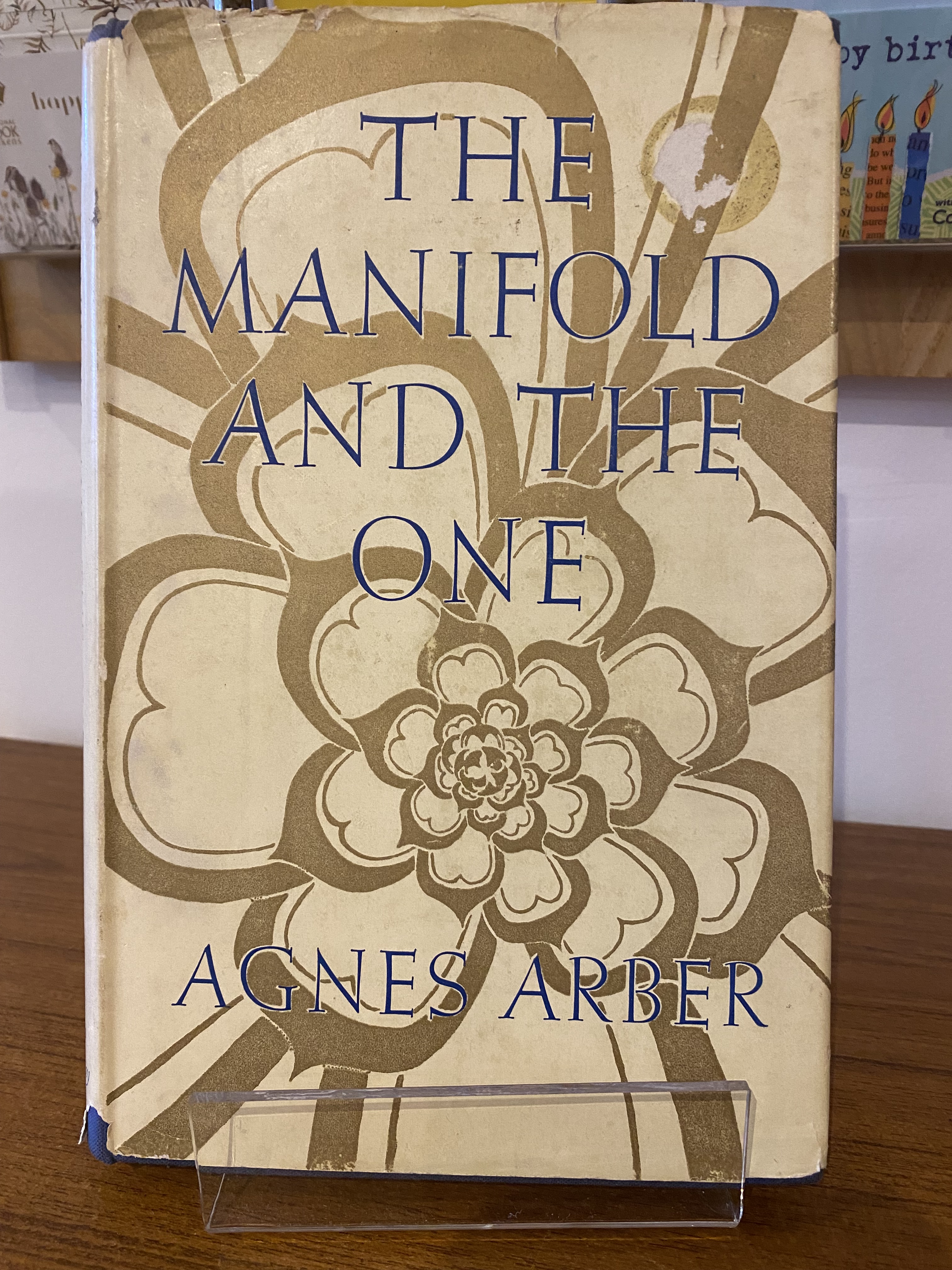
Keep on with the music, though your playing is not up to much and your singing . . . well, the less said. But writing songs will eventually lead somewhere. And the illicit books! You are supposed to be reading the monumental Gray’s Anatomy, textbooks on Pharmacology, Biochemistry, all emptying like sand out of your head. You’ve yet to go into that charity shop and pick up a book called The Manifold and the One by Agnes Arber. You’ll be attracted by the philosophical-sounding title; in your growing unhappiness at Medical School you have a sense of becoming deep. The questions you ask don’t have easy answers. You have a notion this is called philosophy. Amidst the dissections, test tubes and bunsens, you’ll find consolation in Arber’s idea that life is an imperfect struggle of “the awry and the fragmentary”.

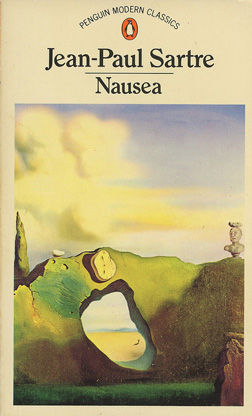
And those mawkish song lyrics you are writing? They will become more dense, exchanging singer-songwriting clichés for clichés you clumsily pick up from reading Wordsworth (you love the countryside), Sartre’s Nausea (you know you’re depressed) and Allan Watts’ The Wisdom of Insecurity (you are unsure of who you are). Up ahead, you take a year out to study English A level at an FE College. Your newly chosen philosophy degree gradually morphs into a literature one and with a good dose of Sartrean self-creativity (life being malleable, existence rather than essence) you edit the university’s poetry magazine, write stories, write plays, even act a little (fallen amongst theatricals!).

At some point, the English Romantic writers get a grip on you, taking you to Oxford where you really do conceive of yourself as a poet, get something published, hang out with others who want the same. Then guess what – for a teenager who’d so little to say for himself in class – teaching becomes a way of continuing to study and write while making a living. It suits. It takes us out of ourselves.

Along the way, you write some poems you are proud of. You will suffer the writer’s curse, of course: the recurrent fear of not being able to turn the trick again. But I’m sending you this to say, through all the years ahead, it is words that will infinitely enrich your life. So pick up the pad you doodle on in lectures. Write a line. Write another line. I see you hunched over a dim-lit desk, but no question – yes – you are heading in my direction.

With best wishes,

Martyn

x

How to fail at anatomy

x

This one believed

he maybe had the brains

another that he had

the right demeanour

x

but the Schools denied him

till it was too late

then reprieved him

with the offer of a place

x

that by then he knew

could not be refused

(such anticipation

had struck such roots)

x

so he has no recall

of the moment of choice

before those appalling

digs in Eltham

x

where he had to stow

his dislocated skeleton

under the bed—crammed

one side of his head

x

with tendons muscles

and pharmacol

with biochem and

bright sets of nerves

x

everything spilling out

the other side

into failure—fallen

to wandering streets

x

to stealing Everyman’s

Selected Wordsworth

he was John Stuart Mill

wishing his soul

x

saved though he felt

love etiolating

the girl from home

now a girl from home

x

her kisses like shrugs

at London Bridge

saying go your own way

at least not imposed

x

not merely allowed

and if you want to live

deliberately first

you slit the shroud

‘How I Write’ – a second brief Royal Literary Fund talk

As a Royal Literary Fund Fellow, I was asked in May 2020 to write and record three brief talks. One of these was on ‘Writing and Technology’ which I posted (as text and audio file) on this blog a few weeks ago. Another commision was to respond to the intriguing invitation to write a ‘Letter to My Younger Self’. The recording of that piece is still in the RLF pipeline, but the third of these short pieces has now been made available as an audio file on the RLF’s VOX site. The given topic of this newly published piece is ‘How I Write’ – not an easy subject on which to be clear and succinct but with a little help from WH Auden and Louise Gluck I hope I have said something here that might be of help to all kinds of writers – poets, novelists and (the target audience of the RLF project) those writing at the varied levels of academe.

So – you can hear me reading the piece here.

Alternatively – or both at the same time if you’d like – you can read it below.

How I Write

Always I have to commit something to paper as soon as possible after the initial inkling of a poem. Most writers use notebooks. Some use audio recorders, others their phones. Though first drafts are always terrible, what I’m doing is laying a path back towards the first emotional impulse, a way for myself to return there. You’ll often find me re-reading notebooks to pick up such trails among barely readable, fragmentary scribbles.

These scraps are what may develop into poems. I like W. H. Auden’s view of the poem as a “verbal contraption”. It reminds me a poem (actually, any piece of writing you are doing) is a purposeful device. It needs to be an effective device and poems look to impact a reader’s feelings. This view downplays one of the commonest stumbling blocks about creative writing, which is that what poets try to do is express their own inner moods. If that’s all I focus on, I’ll pay too little attention to the writing’s receiver, my reader.

Anyway, what I want ‘to express’ is seldom fixed at this stage. It’s important I’m willing to add on – simply write more connected material – even beyond the point at which I might think the job done. That tempting voice claiming early completion may be a lazy demon or a censoring one. It’s my practice at this stage to draft loosely, with as much energy and freedom as possible. If I watch children playing, I see them enjoying an excess of energy, movement, voice, and it’s out of this that real creativity arises – new moves, ideas, developments, reformed, revised, played again, played better. So in writing, spinning off new phrases or metaphors leads not only to decorative grace-notes but often to the still-hidden, true heart of the poem. This is why poets often talk of writing as a process of discovery.

For me, most of these stages still take place using pen and paper. The shift to a screen, a keyboard remains a critical transition. On screen, or on a phone, typed lines acquire an inertial resistance to being changed. On screen, I find my eye starts to narrow down to look at the poem’s physical shape and appearance on a would-be page. Such aspects are important in the long run, but they can prematurely cool the fluidity of the molten drafting process if they dominate too early. Beware the linearity of the screen!

But once it’s there, now I’m thinking ‘economy’. A linguistic cosmetic surgeon, I cut off verbal flab, repetition, redundancy. Crossing out is my most familiar activity. The American poet, Louise Gluck, says that a writer’s only real exercise of will “is negative: we have toward what we write the power of veto”. One of the keys to this is reading aloud. I go the whole hog: standing as if to deliver to an audience. Loud. And. Clear. This helps me listen to rhythm and line breaks. Actually, for any writer of poetry, prose, essays for your course, reading aloud highlights stumbling blocks of all kinds. My sense of the ebb and flow of a poem is always clarified because I distract myself in the physical act of standing and speaking. I experience my words more objectively, more as my potential reader would. Try it. It’s a revelation!

How Poems Slowly Get Written – from haiku to abecedary

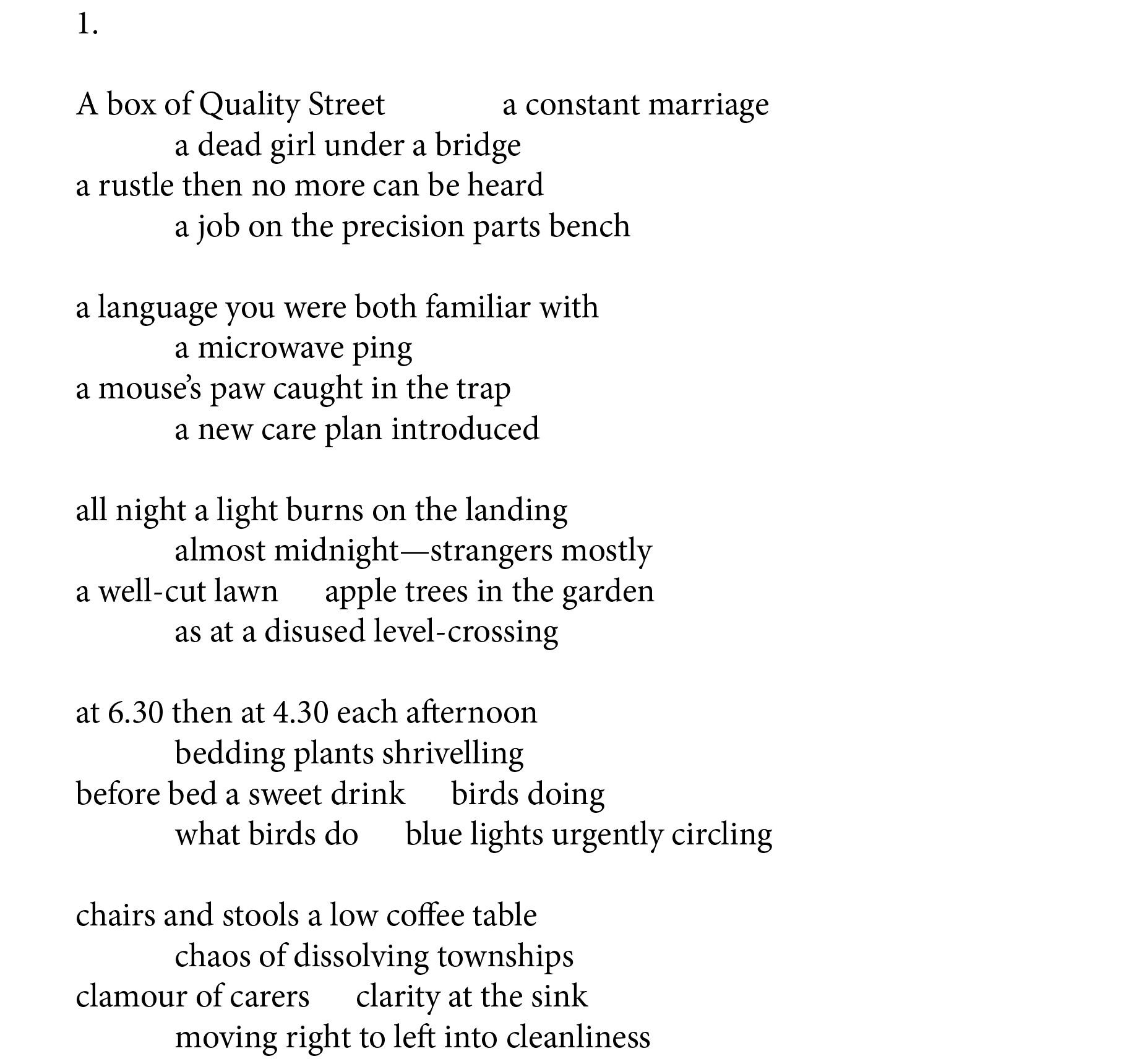
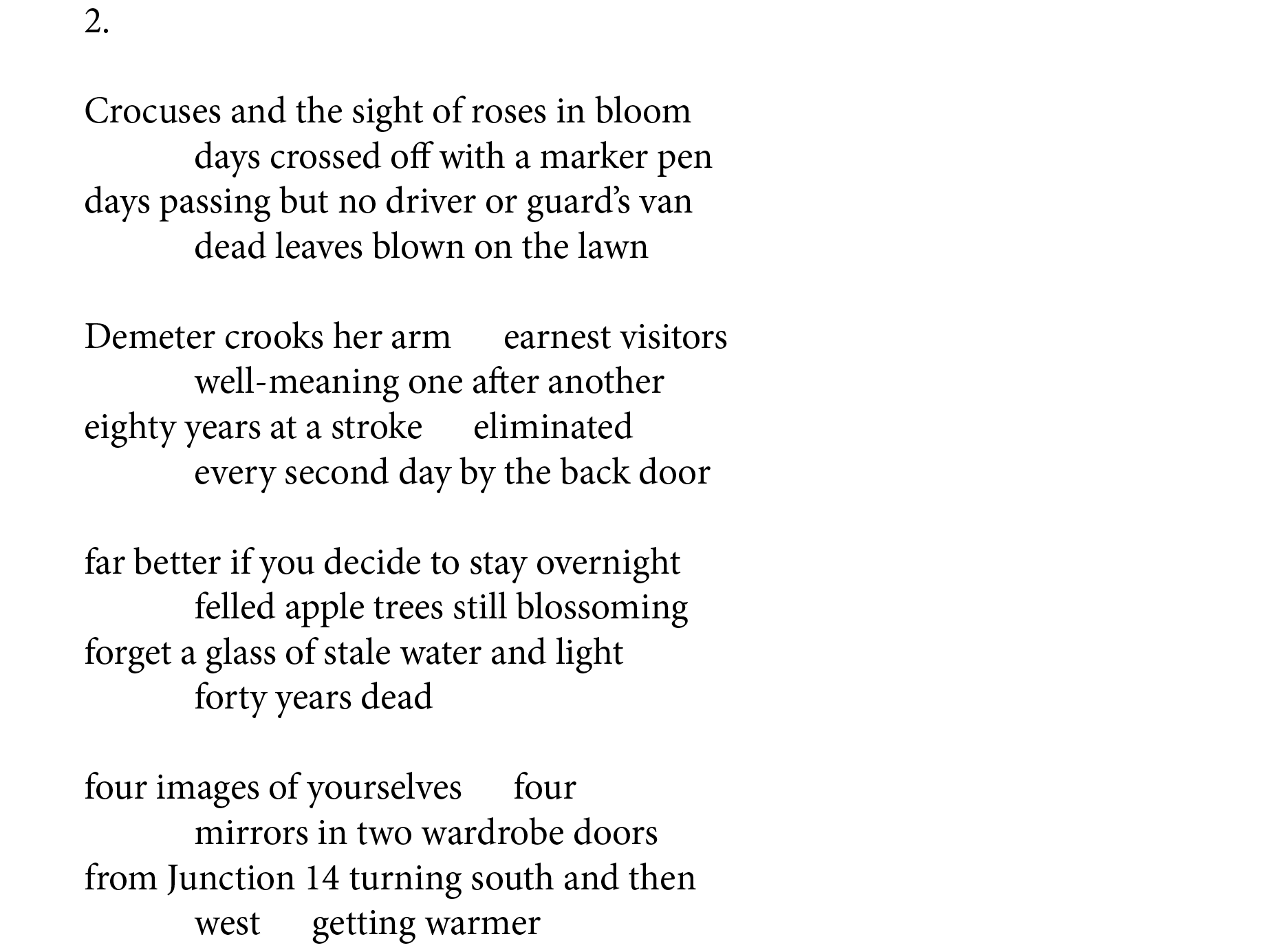
Bloodaxe poet, editor and tutor, Chrissy Williams, set up and edits PERVERSE poetry. Her site’s strap-line for publication is that she’s looking for “deliberate, obstinate, unreasonable or unacceptable poems, contrary to the accepted or expected standard or practice”. A willful outlier, in other words, looking for experiments and/or orphans. Some of you – if you subscribe to her site or keep an eye on social media – may have seen three pieces I’ve written which PERVERSE published last week. These were the opening three poems from a sequence of twelve and the Note published with them by PERVERSE explains a good deal (I’ll put the poems themselves at the end of this post).

Note: these poems are from a sequence in the form of an abecedary, a calendar of 12 pieces. Carolyn Forche’s ‘On Earth’ first interested me in this form. She associates its inclusiveness (from A-Z) with the pleroma, the fullness of God’s creation, the One. The fullness I have aimed at in this case was the difficult last years of my parents’ lives. Drawing on notes I made between 2016 – 2018, the disjointed nature of this particular totality reflects their growing illness and confusion; but I hope the whole exudes what it was written with, love.

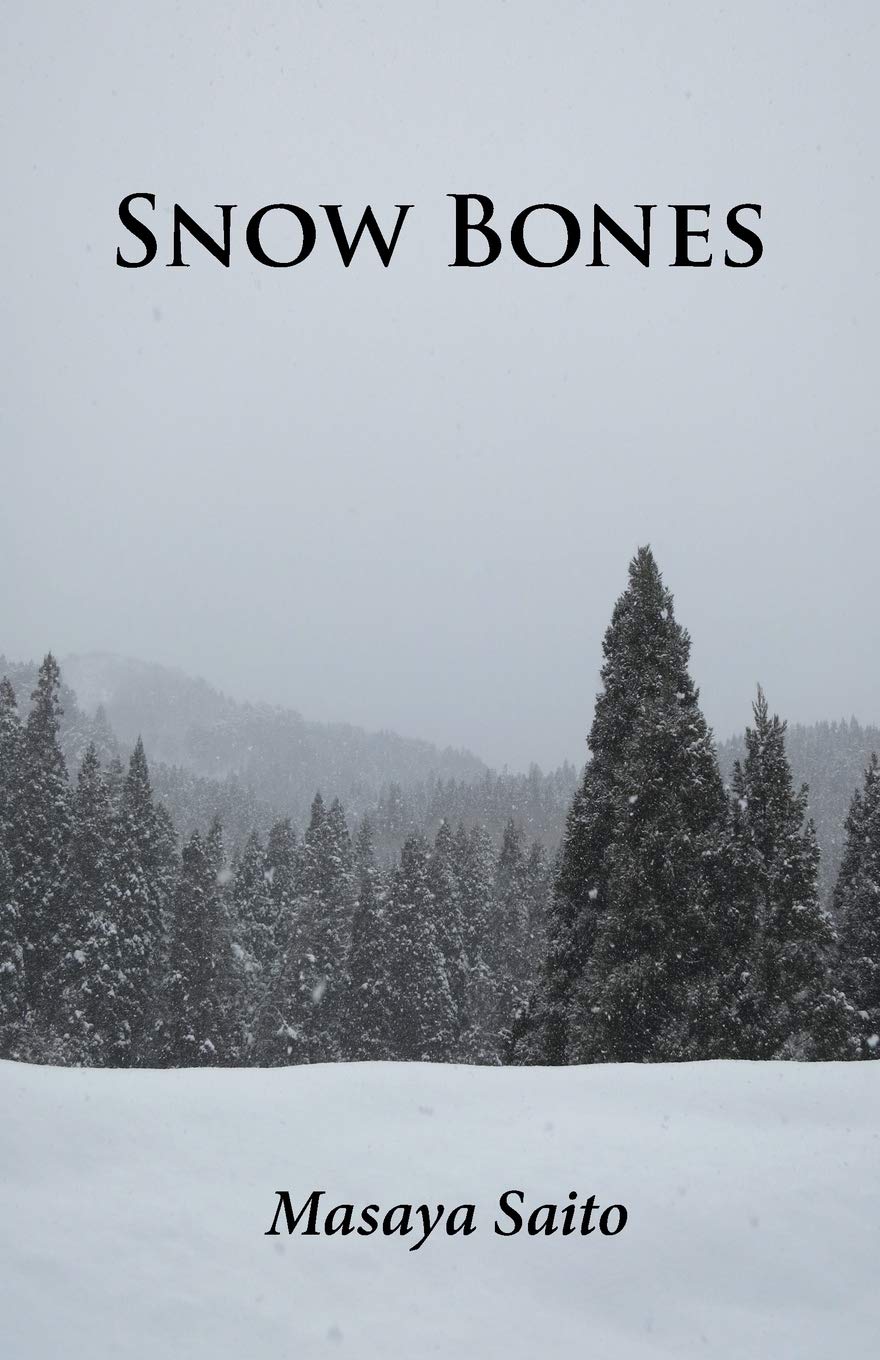
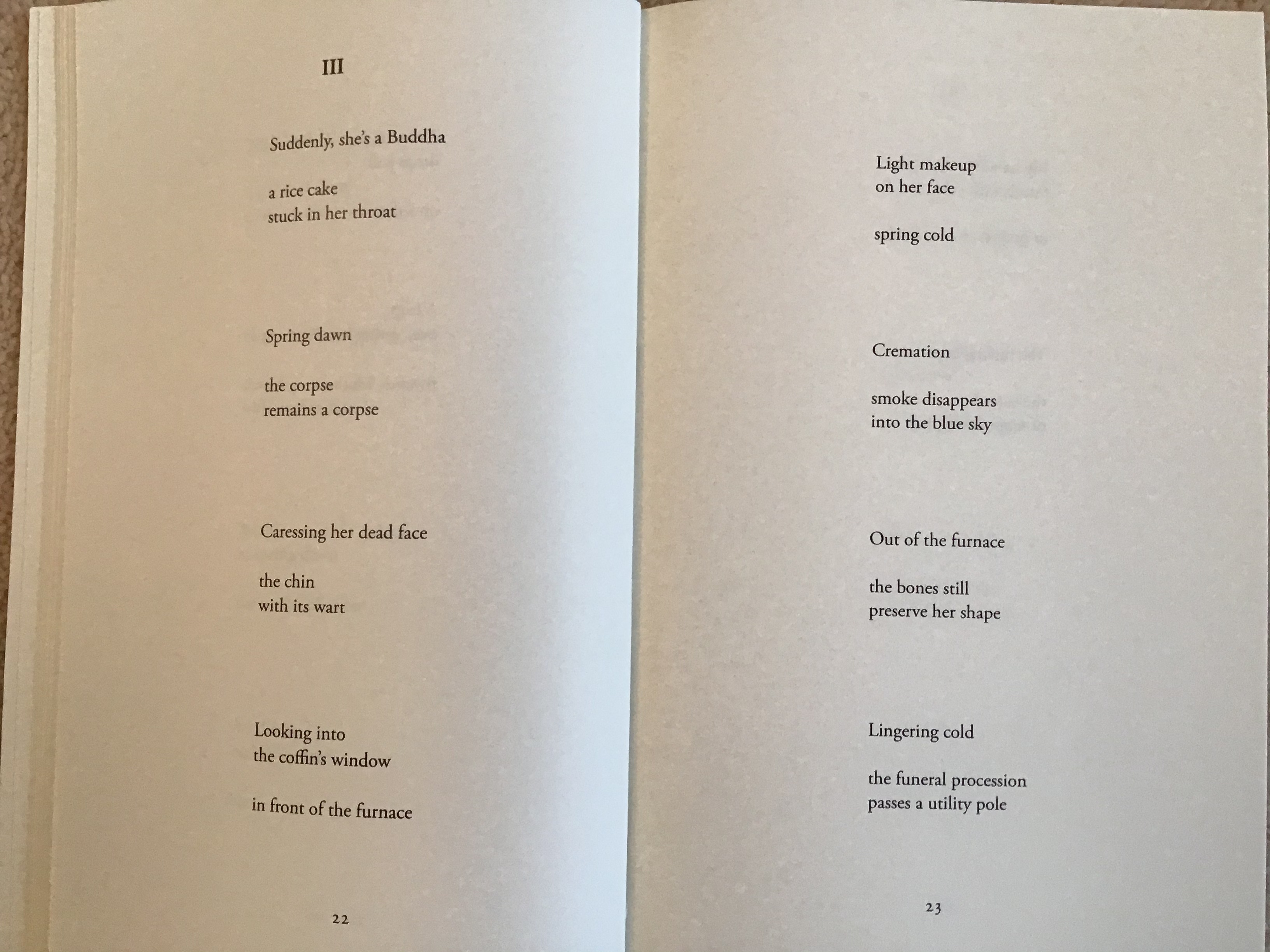
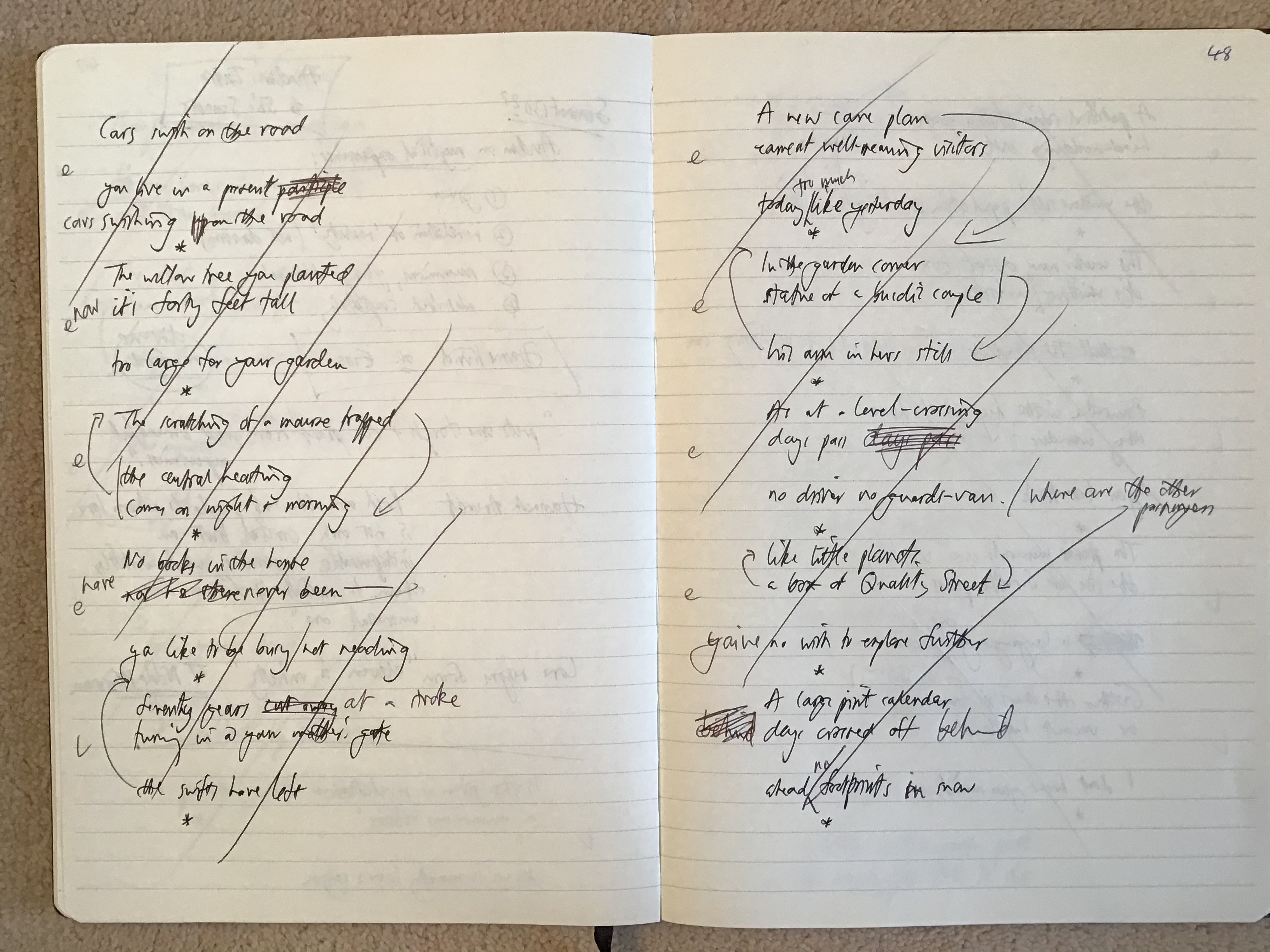
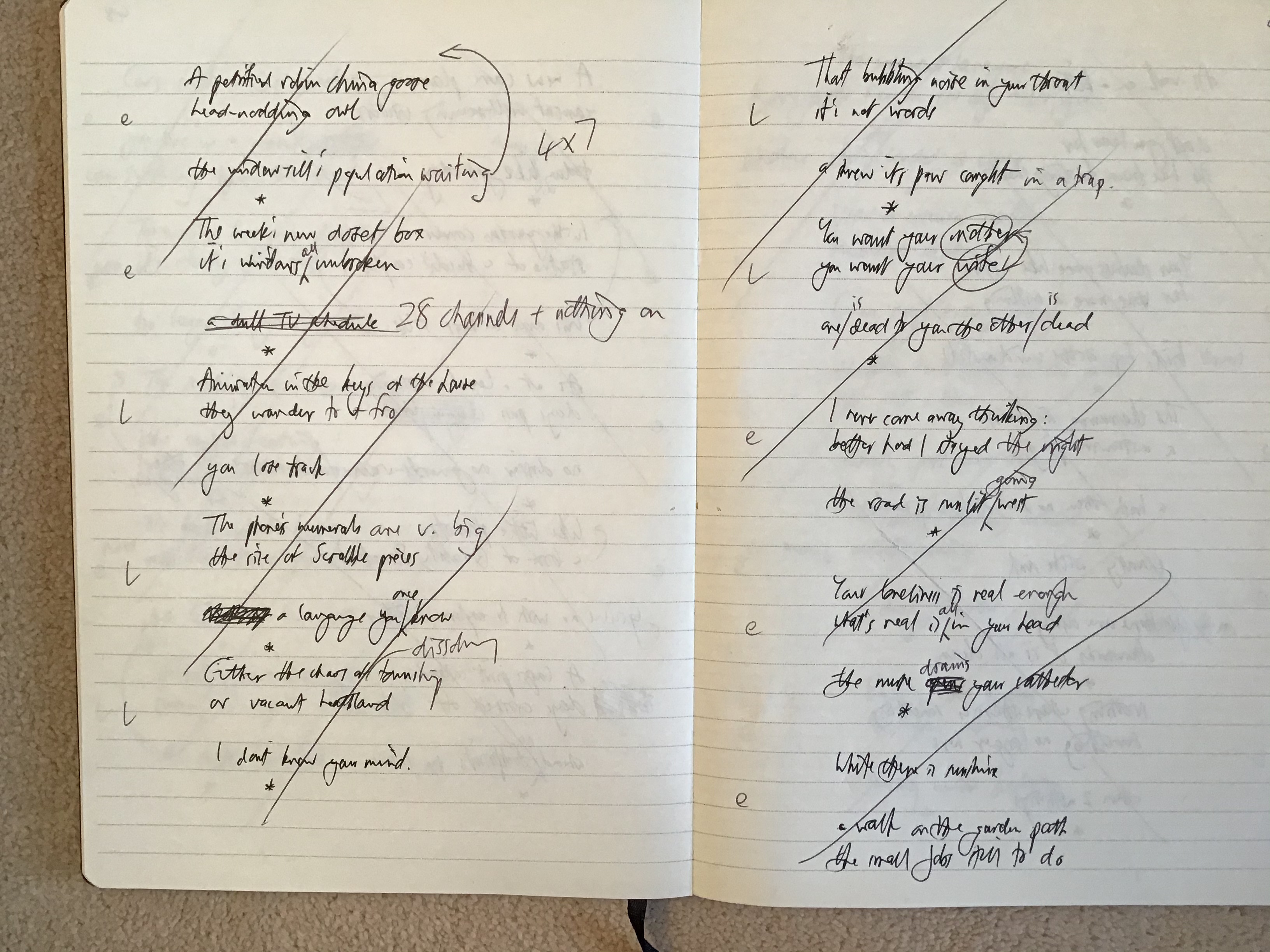
On the theme of ‘how poems come to be written’, today I’m posting images of a couple of the pages from my notebook of the time. You’ll see phrases and images which made it through to the final poems. As can perhaps be seen from the scribbles, what I had originally in mind was something close to the form of haiku. I’d been reading and admiring Masaya Saito’s book of haiku called Snow Bones. This had just been published in 2016 by Paul Rossiter’s Isobar Press (I think maybe I’d bought the book at the Poetry Book Fair that year). Snow Bones consist of four narrative haiku sequences, spoken by several different voices. Saito writes in both English and Japanese (these poems are all in English). Two of these sequences focus on the death and funerals of parents and what I admired was the way in which the compression of the form allowed the poet to express the powerful emotions of love and grief. Between 2016-18, my mother and father were going through a decline in both mental and physical health, eventually moving into a care home, sadly both dying within 18 months of each other. So I had my own powerful feelings to deal with and one of the ways of coping was to try to write about these experiences.

Here’s a couple of pages from Saito’s book. You’ll see he does not approach the haiku form in the rather rigid syllabic way that we often think of it. Also I liked the way in which – of the 3 lines – he always sets one off, either opening or closing. This creates drama and tension even within such a short space.

So then here’s a page from my notebook of the time – the crossings out indicate that I have used the text going forward. Initially I tried to maintain my hopes of a haiku sequence. I can see here phrases that made it into the final poem (in such a different form): the box of Quality Street chocolates, the days passing as at a level crossing, the introduction of a new care plan while they were still living at home. I remember taking a dozen or so of these haiku pieces to a writing workshop. The response was polite, even some enthusiasm, but I felt this was in part a response to the personal nature of the subject matter as much as to the success of the choices I’d made as a poet. (These are always very difficult moments in a workshop – depth of involvement on the writer’s part often makes more cool, critical observations hard to bring forward).So I wasn’t sure. The texts stayed in another notebook. This is what happens (for me at least). I’d then often be browsing back through the notebook at those bits of text not yet crossed through as having been advanced to the next stage. I’m re-reading to see if there remains any life in these fragments left in limbo. I kept reading these haiku and thinking there was a lot of good writing, but they had certainly not found their right form.

Here’s another image of an original page.

The fourth haiku here I still like:

The phone’s numerals are very big

the size of Scrabble pieces

a language you once knew

In the final poems, the image of a “language” re-emerges rather changed. The sixth haiku poem here has an image of “a shrew its paw caught in a trap” which is itself an echo of a line from the previous page (“The scratching of a mouse trapped”) – the relevance of these recurring images of entrapment is obvious given my parents were pretty well confined to their house by physical weakness and mental uncertainties. Such images surface in the final poems, in the first poem’s opening quatrain, as “a mouse’s paw caught in the trap”.

I don’t remember when the final choice about these poems was made – the one that decided an abecedary form would be appropriate. Those who have followed this blog for a few years will have heard me ruminating on this form before and on my discovery of it via Carolyn Forche. In rational terms, I felt the systematic coherence imposed on phrases by the alphabetical sequence would be effective in an ironic way because most of the fragmented material I had assembled spoke to an incoherence rooted in the way my parents were now living. Is it too much to say that I was hoping to piece things together for Mum and Dad in a way that they were unable to themselves? There are other (more conventional) poems about my parents in my most recent full collection, The Lovely Disciplines.

The re-shaping of the text worked (to my mind). Assembling something like this is a thrilling balance of chance (the sequence of the alphabet) and choice (the poet retains the right to trim and edit phrases). The title I’ve given the sequence comes from the last haiku in the first image above:

A large print calendar

days crossed off behind

ahead no footprints in the snow

I remember buying them a large print calendar so they could follow the days passing more easily. Often – but not always – they’d cross through the days passed. When we cleared the house eventually, the calendar was still hanging up, the crossed off days having stopped at a certain point; the future days left blank and pristine. The walls of the house have not been literally demolished. But it has been sold on to another family and so for me and my brothers the walls might as well have been demolished. The lives lived out there are gone, except for what we can remember (some of which can be written down).

Here are the three poems in the sequence (from A to I) that have so far been published:

from Notes on a calendar (hung on a demolished wall)

A Thief in the House: London Launch of Hjelmgaard’s ‘A Second Whisper’

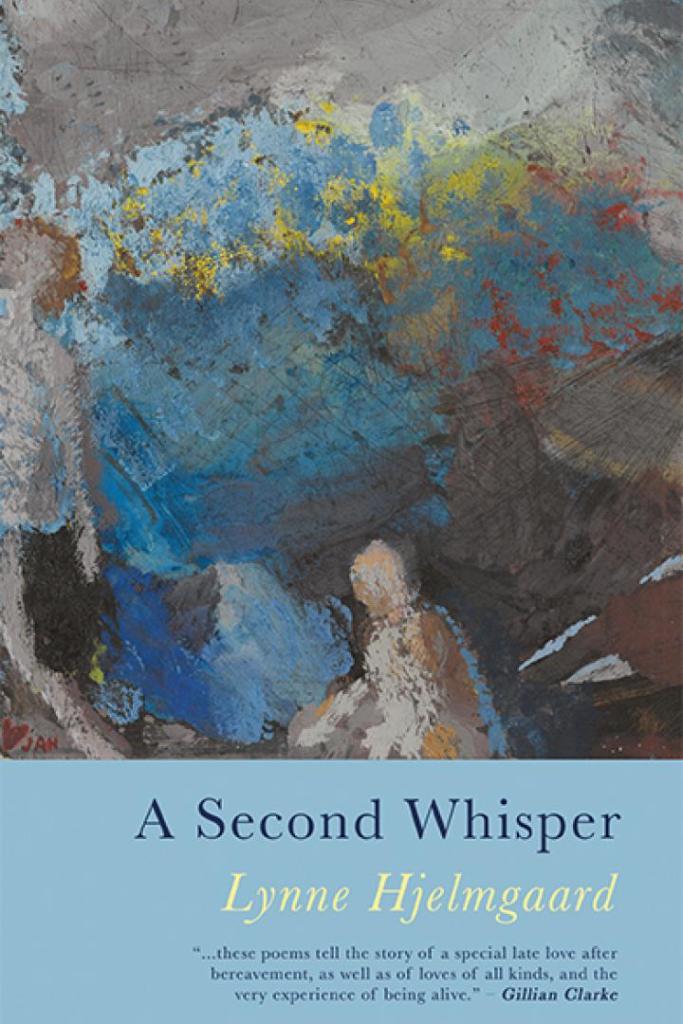
Last night I was at the Poetry Café in Covent Garden for the launch of two new collections from Seren Books. Lynne Hjelmgaard was reading from A Second Whisper and Mary J. Oliver was launching her debut collection, Jim Neat: the Case of a Young Man Down on His Luck. Oliver’s book is a curious, thought-provoking mix of family research and prose/poetic fictions. But I’ve known Hjelmgaard for a few years now as a workshop colleague and as a friend of Dannie Abse and I wanted to gather some thoughts here on her new poems.

In her playfully titled poem, ‘Ode to a Danish Lamp’, Lynne Hjelmgaard constructs a paean to a piece of electrical equipment which ends rhetorically, “Why do you move me so?” Some clues to the answer are scattered through the poem; they lie in comparisons. The lamp is an example of “Nordic metallic cool”, beside which the speaker – “a mere human” – feels humbled. She and the rest of the room, we are told, arrange themselves about the lamp which hence serves as a focal point and even a source of “answers”. It’s as if the lamp is wired up to a clearer, less divided, perhaps purer world:

[. . . ] the charged interior, a territory,

where no country nationality race

or religion has any significance.

In contrast, the human figure is more embedded in a world of time, place and quotidian specificity while the lamp emerges with its “fine, oh so thin aluminium rim” as a denizen of a less troubled realm. The speaker is moved because excluded from such a realm and the majority of the poems in A Second Whisper focus precisely on our more compromised, familiar world, particularly the ‘merely human’ experiences of time, memory and loss.

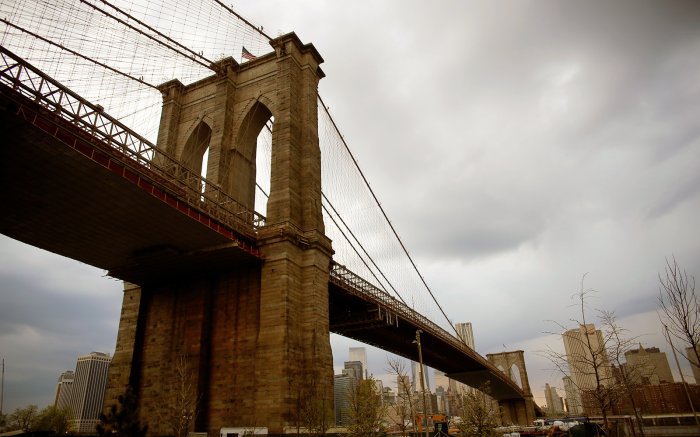
Without being a particularly philosophical poet, Hjelmgaard writes as someone who is an “expert at loss”. Another less typical poem describes – in great detail – Brooklyn Bridge and the area around it (the poet was born in New York City). She remembers sailing out under the bridge:

Manhattan is a chain with many links,

some are broken, lost and never repair,

but others can be retrieved even at a distance.

For what can shine so brightly at sea

but a city, once loved, left behind?

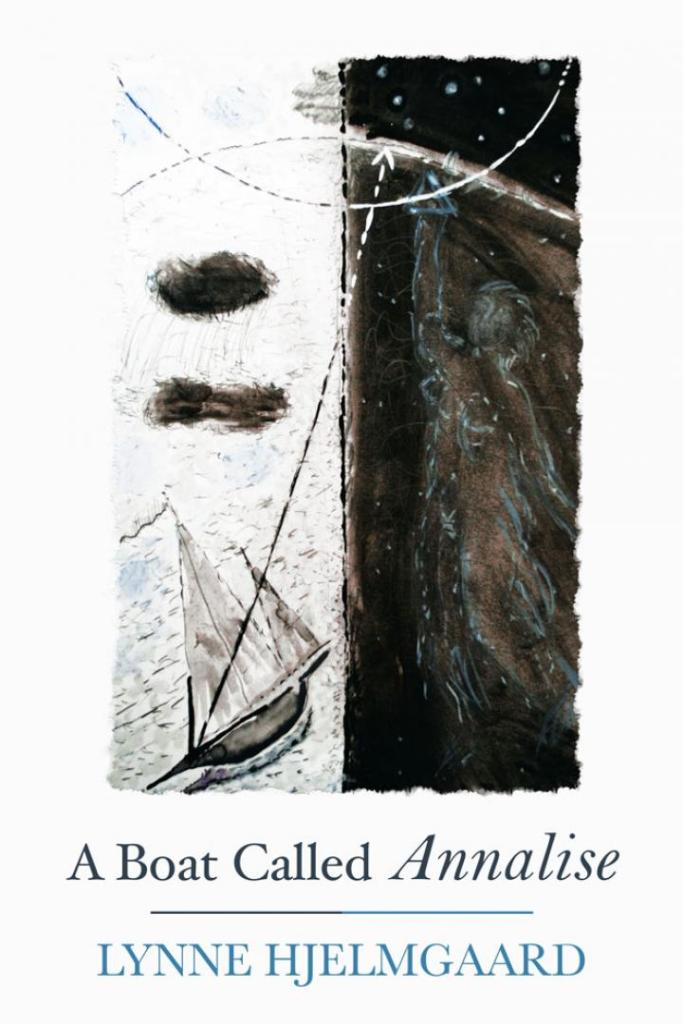
Hjelmgaard’s focus on links lost or remembered is probably hard-wired into her constitution (these thematic roots usually are) but it has also been provoked by biographical influences. Her 2011 book, The Ring (Shearsman Books) was dedicated to the memory of her Danish husband, Stig – who died in 2006 – and followed an American woman’s travels around Europe, mourning and negotiating that loss. Dannie Abse, among others, praised those poems: “Widowhood allows them to acquire a poignant universality”. Five years later, A Boat Called ‘Annalise’ (Seren Books), was full of more poems of remembrance, evoking the sea journey the newly married couple made out of New York to Europe, via the Caribbean.

There are further poems written to and about her husband in this new book. In ‘As We Silently Agree’, the husband appears to the widow, “in some kind of afterlife”, and is seen busying with a boat’s anchor chain, searching the ship’s log and weather charts. This is perhaps a dream poem:

Our fingers clasp in recognition

as we silently agree:

what does it matter now

if you don’t keep the course?

And ‘Scorpion Hill’ may be another example of dreamwork, the wife this time revisiting a once-shared house in the Caribbean. Its final image is of many moths clustering round “a single light bulb / left on during the night”. These are fine poems of time and sustaining memory – that bulb still burning – in which the past and those lost within it are shown to revisit the survivor.

Hjelmgaard’s treatment of this traditional theme is neither religious nor consolatory in any facile way. The pain of great loss is heartfelt and yet she manages to persuade the reader – it’s less intellectual than that, maybe she draws her readers in to the actual experience – that what lies in the past still retains is power to evoke pleasure and even that the future’s gifts are to be welcomed, even anticipated. In ‘To a Chestnut Tree’, addressing the tree in its autumnal state, the narrator is sure, “There will always be another one. / And another. // Loss can be moved through like a room”. What a magnificent line that last one is. There is a wisdom in it, however modestly it may be presented.

Time takes – but time also provides. Another poem of trees has a fir leaning eventually into a “beloved palm” – though it may take a century or two of slow growth. A lonely tamarisk on a cliff top also has the capacity to “wait until it can drink / from the bay eighty feet below”. Hjelmgaard finds her themes in the smallest incidents. Unpacking a suitcase after a journey, she finds she has brought two extra items home with her. One is a fossil of a snail which seems to represent a determined persistence through time (60 million years perhaps, in this case). The other – a flighty stowaway – is a spider which she finds “already busy / making yourself at home”. The spider evokes an improvisatory optimism, an adaptability, even an adventurousness, which I see as some of the most distinctive elements in the themes of Hjelmgaard’s work.

It’s these qualities to which Gillian Clarke is responding in her comment on A Second Whisper, where she finds in the book “the story of a special late love after bereavement”. In recent years, the British poet who has written most powerfully and movingly about bereavement and the encroachment of the past into the present is Dannie Abse. This is from his poem ‘The Presence’ about the loss of his wife, Joan:

It’s when I’m most myself, most alone

with all the clamour of my senses dumb,

then, in the confusion of Time’s deletion

by Eternity, I welcome you and you return

improbably close, though of course you cannot come.

The opening 14 poems of A Second Whisper explore the loving relationship that sprung up between Hjelmgaard and Dannie Abse after the deaths of Stig and Joan. Her opening prose piece takes us directly into everyday details. The two bereaved poets meet: “And for a time it was the four of us. Though one day, without ceremony, we noted their absence”. Thus set free, the ones still living proceed, though along no clear path, “wherever poetry and Eros chose to take [them]”

Even at their first meeting – on a train journey back from the Torbay Poetry Festival – the presence and absence of time was notable. Minutes were not to be wasted in the presence of the older poet, says the younger narrator. But mysteriously – this is in late October – the waitress at the station café is seen taking away the clock to change the hour. A photograph of the two poets at a reading shows the younger woman “less sure of herself”, while Abse is more comfortable with the attention. But at 85 years old, Abse begins appearing in these poems as more and more in decline. “Aged and dying you grew more tender”, as ‘A Second Whisper’ puts it. In this poem – as in several others – Hjelmgaard is visiting Abse at home.
I knew just how to open your front door quietly.

Its lock a whisper, a second whisper to shut.

This image – absolutely precise in its remembrance, yet also powerfully suggestive – is like the earlier line about walking through loss as through a room. The first whisper has a respectfulness, concerned with quietude, with the sensitivity of the artist, the closeness of death. The second whisper is full of ambivalence: protective perhaps from the noisy, nosey world, wanting to secure the intimacy, wanting to defend the loved one from the inevitable, yet a foreshadowing of that very inevitability.

‘A Thief Is in the House’ has death portrayed as an invader, breathing heavily, thumping up the stairs to the dying figure whose “eyes [are] prepared // for nothingness”. But these poems are not overwhelmed by grief. As if taking a leaf out of Abse’s own poems of mourning and remembrance, Hjelmgaard’s predominant tone is one of recall and revisiting – even of re-visitation. Walking alone on Hampstead Heath, she hears the lost lover chanting a Lorca poem; because one day they sheltered under an awning on Golders Green Road, every time it rains now, “the rain /stops everything / to think of you”. And in an exquisite lyric, ‘Speak to me Again at Dusk’, Hjelmgaard yearns to resume her conversations with the dead poet, yet her tone – which might have been one of pleading and despair – in fact retains a clear appreciation of the lasting value of what has been and a pleasured openness to the present (hear those noisy roosters in a moment!). Such deep-grained attitudes seem to have been a mutual common ground between these two writers and perhaps was one of the constitutive elements in their late-flowering love:

These lines among many lines

are words just for you

and the roosters that speak them

just before dawn.

A Workshop with John Keats

If you ask them, most teachers are very happy, occasionally, to replace their usual mask with the one of an eager student. I don’t often get to participate in writing workshops as a consumer, but when I do it’s always fascinating. For the last one I took part in, I chose it because of its intriguing promise to use Shakespeare’s work as its starting point. Last weekend I was drawn to Amy E. Weldon’s workshop at Keats House which promised to do the same with Keats’ work.

Chester Room resized

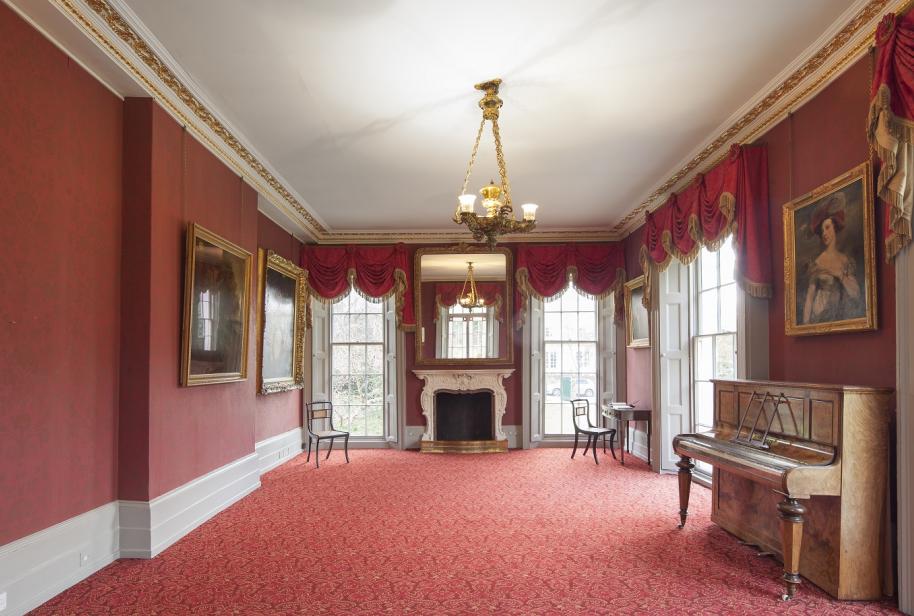
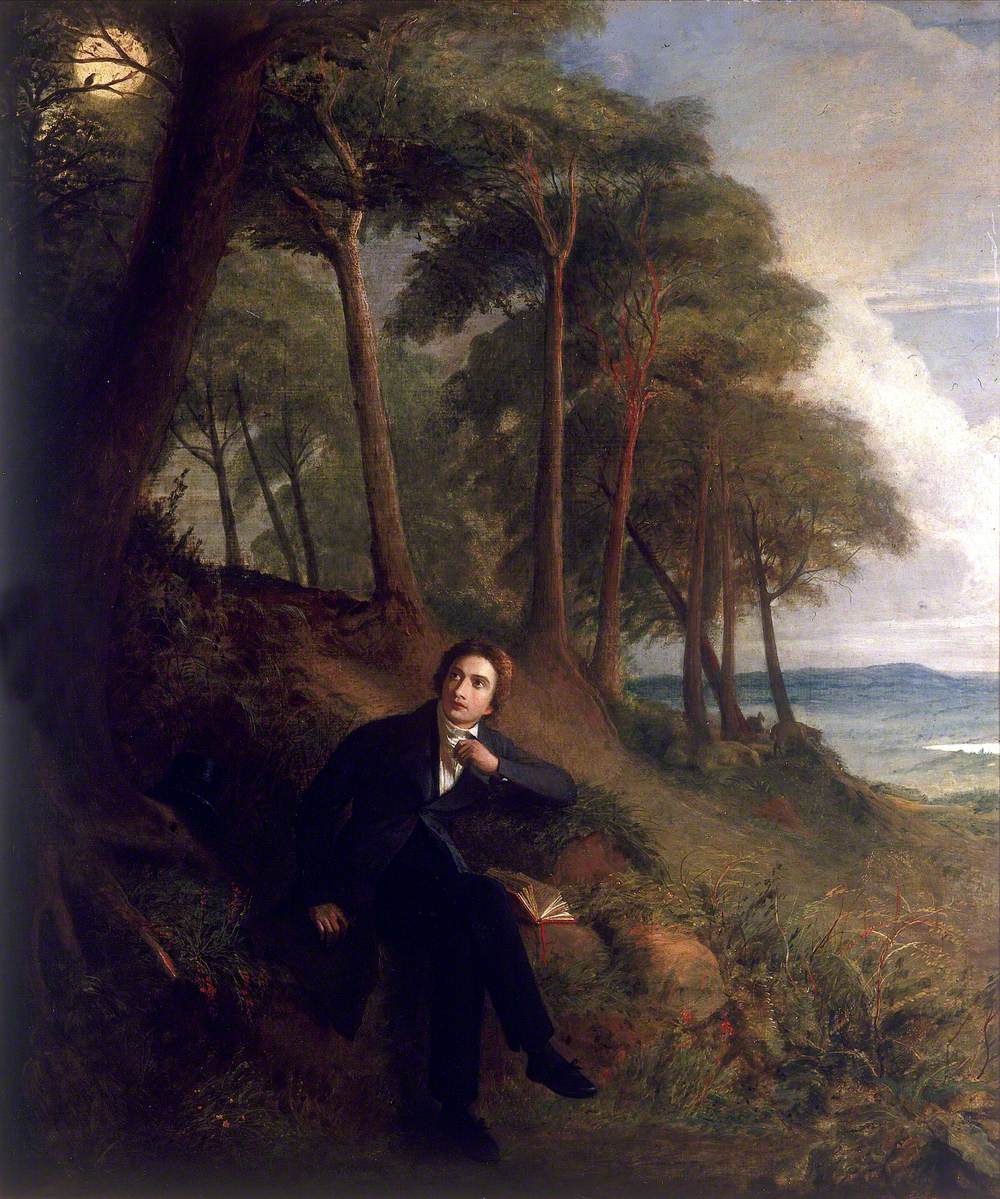
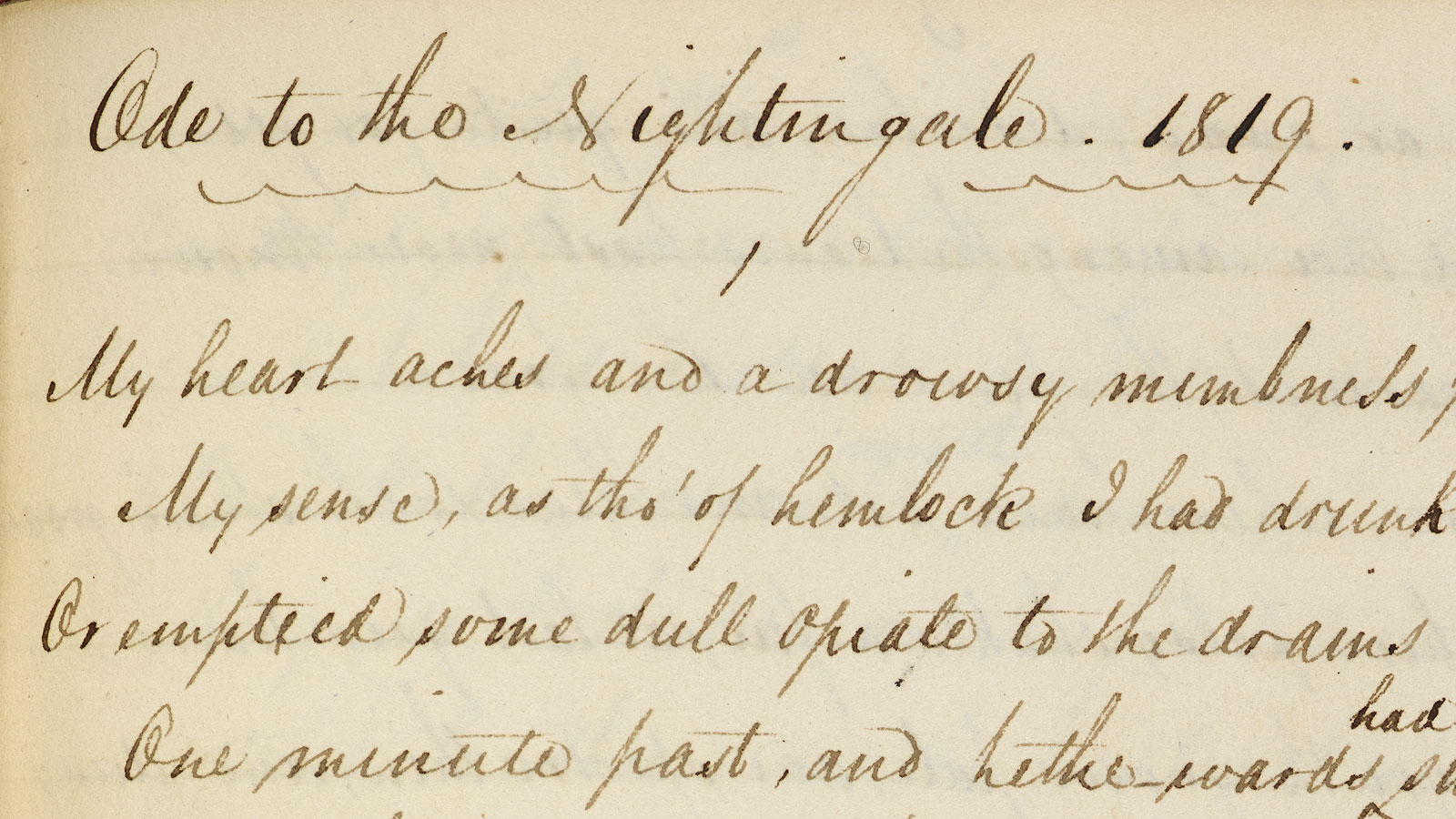
This event was part of Keats House’s bicentenary celebrations and a dozen of us gathered in the atmospheric Chester Room on a sunny day (Keats gazing down at us from Joseph Severn’s painting on the wall). Amy Weldon – a Professor of English at Luther College, USA, whose book on creative writing has recently been published by Bloomsbury – was very good at reminding us of the presence of ‘Brother John’ in the surrounding fabric of the house and its beautiful gardens, where he wrote his ‘Ode to a Nightingale’. Probably no-one there – teachers, journalists, writers of poetry and teen fiction, autodidacts – really needed it, but she also kicked off with an enthusiastic reminder of the importance of “books and ideas”. And it was a number of Keats’ own ideas – as expressed in his letters – that we discussed first of all.

Severn, Joseph, 1793-1879; Keats Listening to a Nightingale on Hampstead Heath

I’ve written elsewhere on this blog about the importance of Keats’ ideas for my own work and it powerfully struck me again, joining Amy and the other workshoppers in considering them, how coherent they are, despite being expressed and developed in scrawled letter form over a period of 2 or 3 years. From his ‘taking part’ in the sparrow’s existence, or that of the stoat or field-mouse, to the belief that poetry ought not to startle or amaze with itself (but with its subject), to his understanding that “extensive knowledge” is what gives a writer the kind of shoulders that are sufficiently “fledged” to enable creative flight, to his brilliant, improvised description of the gathering of such knowledge in the letter written in Spring 1819. The latter is the vale of soul-making letter to his brother George in which our identity (Keats’ word is ‘Soul’) is accumulated/created through the heart’s emotional encounters with the world. Without such encounters – the sparrow, the stoat and field-mouse, and this is what he means by extensive knowledge, we must extend ourselves in such encounters with the Other – we are not able to suck an Identity from experience and – like children who die tragically young – we have had “no time to learn of, and be altered by, the heart”.

Such encounters – vigorously and passionately advocated by the workshop leader – formed the basis for the creative side of the rest of the day. We were sent outside to roam around the garden in search of sensory images, in particular, the May-time flowers in their blooming colours and scents, the birdsong, the noise of traffic or quiet conversations of other visitors, the smooth or veined surface of leaves, the rough gravel paths. On the day, I didn’t taste anything myself – perhaps others successfully used all five senses! We jotted as if our lives depended on it – the task made easier by Amy’s insistence on the messiness of writers’ notebooks, on the provisional nature of whatever it was we were writing.

crop-keats-ode-to-a-nightingale

Amy’s approach on this occasion was to direct us towards fairly openly/widely-defined tasks – as in this first one – rather than setting out a framework within which to work. Such frameworks might be formal or linguistic (repetitions, the use of particular words and so on) or models derived from other writers and can often lead workshop participants towards experimenting, bumping us out of our usual modes, forms and tones. Nevertheless, we all returned from the task with plenty of notes and – for those who attend such events – Amy’s suggestions as to next steps were familiar enough. Circle the “interesting” moments in what you have written down (interesting here is wholly self-defined). Find and remove editorial (directive) words like ‘beautiful’. These latter tend to be adjectives and adverbs and, if not removed, they were to be replaced with more directly sensory words – so not ‘beautiful’ but ‘lime green’. Another suggestion – which I found very difficult to put into practice – was to remove all words of more than one syllable. But you can see the direction of travel here: the valuing of plainness and the directness of sensory experience over anything close to judgment or the writer looking to ‘persuade’ the reader.

dav

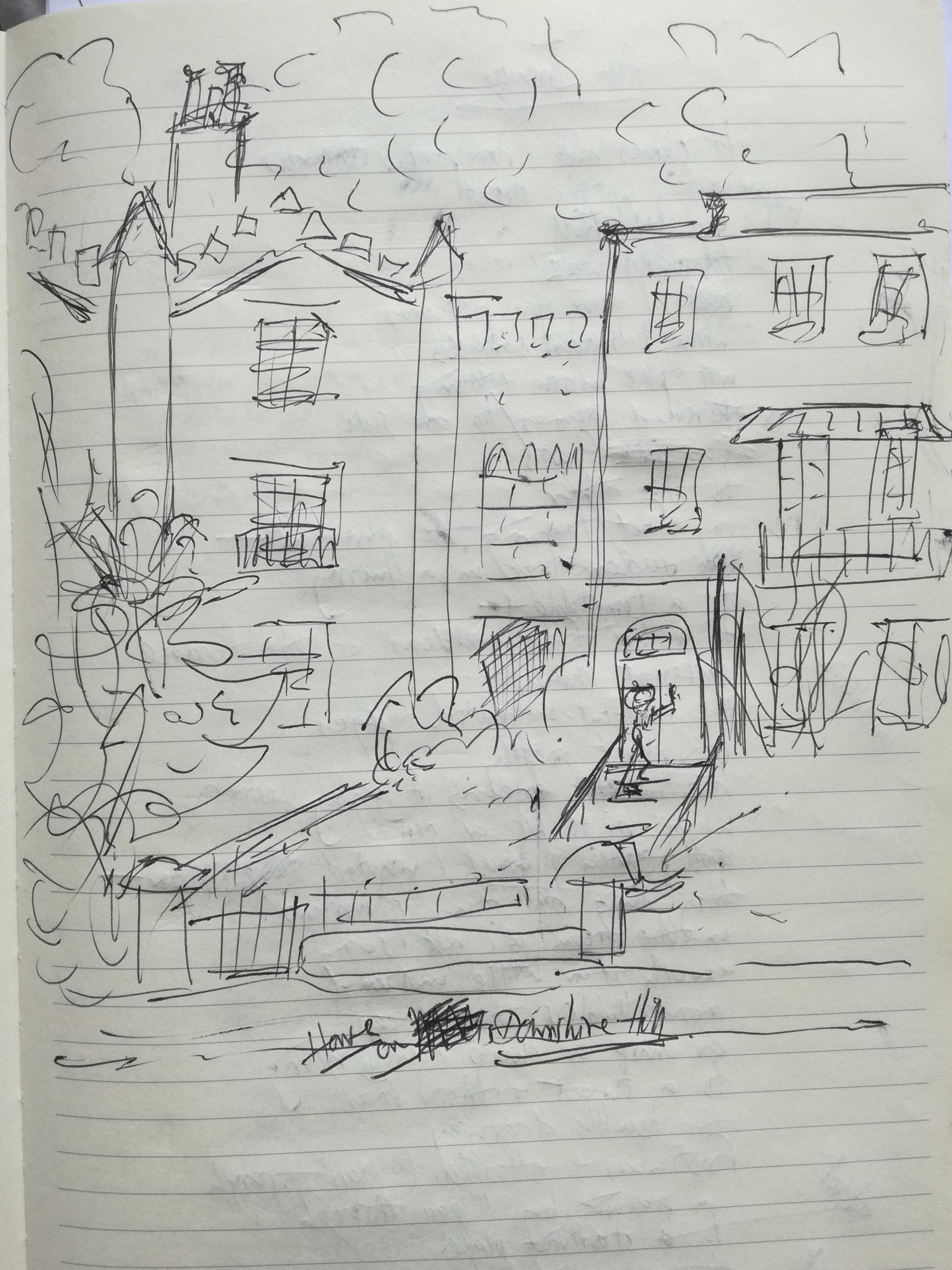
During lunchtime – apart from feeding and drinking – our tasks were to make a list of ten things we “noticed” and to actually make an attempt to draw one thing. In each case – Amy was always clear on this – anything was to be grist for the mill, so we had to resist bringing in censorship or evaluation: two people wearing identical hats; the type of cakes on sale down the road; overheard comments from passers-by; what they were promoting at Keats Pharmacy near the station. I drew a house on Devonshire Hill. Very badly.

Once we’d gathered again, Amy quoted John Ruskin on the value of drawing, I think to the effect that even writers ought to try to draw as in doing so they begin to see more “brutally” or clearly. I can’t find the actual quote itself but, having drawn my house on Devonshire Hill, I can testify that he’s right. It makes you look first – language comes second. However dismal the results, I’ll try drawing again. We also shared some of our ten observations – though interestingly neither the observations nor the drawings were developed any further on this occasion.

download (2)

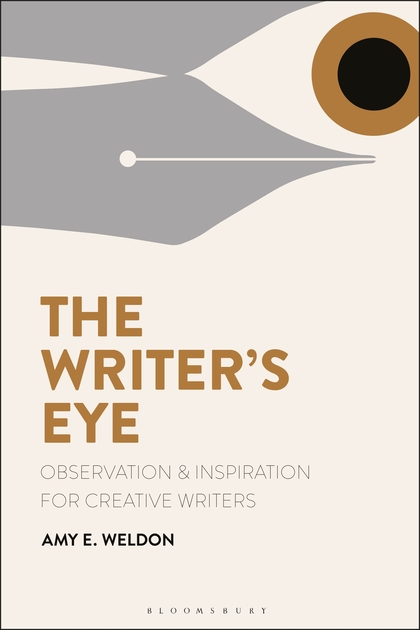
Instead we read an extract from Amy’s book, The Writer’s Eye. The extract suggested that an ‘image’ is a mental picture (probably from the past) that releases emotions into your mind in the same way as a bunch of mint leaves from a garden releases flavour and colour when steeped in water (good image). These sorts of mental images can be starting points for poems or stories – much more so than (the common colloquialism of) starting with an ‘idea’. The latter tend to be dead, whereas the ‘image’ is by definition enlivened with emotions. So our next task was to find such an image in ourselves and to write on it (again our instructions were open as opposed to delimited or framed). Later we had the chance to re-cast what we had written – perhaps re-starting from ‘interesting’ things we had again circled ourselves.

There had so far been no reading round of anything we’d written (apart from some of the 10 things observed over lunchtime). Eventually, we were put into pairs to give some feedback on the final piece written, now read aloud. Amy’s instructions here were interesting. The listener was only to offer two types of comment. The more positive one was in the form of ‘More like this’. And to express reservations, rather than ‘I don’t like this’ or ‘I don’t get this’, we were to say simply, ‘This stops me’. I thought both these formulations worked well and I would use them again.

download (1)

It was a good day and I’m sure we all came away with several pages of material to work on. One of Amy’s stories stuck in my mind and, though about a prose writer, is applicable to poetry too. A friend of hers goes to a burger joint. Over the grill, with his back to the customers, the owner is flipping burgers, not looking round. The friend gives his order. Still the guy goes on flipping burgers, not looking round, not responding. After a moment or two, the friend orders again, verbatim, just to be clear what he wants, perhaps just a little louder. Still without turning round, the owner says simply: ‘Yuh said that already’. The writer friend, I presume, did get his burger, but he also came away with the guy’s phrase as a memorable maxim for those of us who write, then out of our anxiety to communicate, to be understood, write it again: ‘Yuh said that already’. Time to pick up your editing pen . . .

9781350025318

The Poems of Mary MacRae

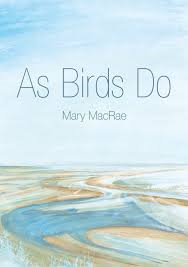
I knew Mary MacRae as a member of a poetry workshop we both attended in north London. She came to writing poetry late and published just two collections – As Birds Do (2007) and (posthumously) Inside the Brightness of Red (2010) both from Second Light Publications. Her poem ‘Jury’ was short-listed for the Forward single poem prize and was re-published in the Forward anthology, Poems of the Decade (2011). That anthology is now set as an A Level text and it was through teaching from it recently that Mary’s work came back to mind.

untitled

Mary died in 2009 at the age of 67. As a writer she was just beginning to hit her stride. Mimi Khalvati praises her as “a poet of the lyric moment in all its facets” and judges Mary’s ten years of work as an “extraordinarily coherent” body of poems. Khalvati goes on: “Because of the natural ease and grace of her diction, it would be easy to overlook Mary’s versatile formal skills, employed in sonnets, syllabics (à la Marianne Moore), numerous stanzaic forms, but nowhere evidenced more forcefully than in her ‘Glose’ poem, inspired by Marilyn Hacker’s examples, in which she pays homage to Alice Oswald, as in a previous glose to Mary Oliver – a trinity of wonderful lyric poets, in whose company Mary, modest but not lacking in ambition, shyly holds her own.”

In 2009/10 many friends and writers contributed pieces in memory of Mary to the magazine Brittle StarMost of this material can now be found here with prose contributions from Jacqueline Gabbitas, Myra Schneider, Lucy Hamilton and Dilys Wood. I wrote a poem at the time (remembering meetings of the poetry workshop in London) and I have more recently revised it more than a little. I’m posting it here alongside the review I wrote of Mary’s posthumous collection with the idea of making the review more easily available and perhaps encouraging others to seek out Mary’s published work.


Before the rain arrives

i.m. Mary MacRae


Perhaps five or six of us standing there

at the familiar purple door

those afternoons we lost beneath poetry’s

red weather our voices and lines


while the genuine thing built unremarked

beyond the window’s diamond panes

till it was time to depart

then our turning back in the familiar porch


our repeated goodbyes being called

our uncertain bunching

that coheres and delays until one of us

breaks loose and we are each free to disperse—


yet on that day there were raindrops

on the back of a hand on another’s cheek

and though we fiddled with car keys

we fidgeted in trainers and faded jeans


we were an ancient chorus for a moment

crying the single syllable

the drawn-out sound of r—a—i—n

because we were weary of weeks of drought


and now it came and we saw where it fell

the raindrops beginning

to shrill their high-pitched release

from interlaced shadows


from the skirts of clouds

and what none of us knew until we’d seen

one more year was that one of us there

despite our sharp eye for openings


and endings would have to face last things

like the white vanishing of panicked doves

into dark thunderheads—

on these more recent afternoons


just four or five of us here perhaps

in our minds her shrewd observations

her words urging us closer to listen

for the noise rain makes before the rain arrives


maxresdefault


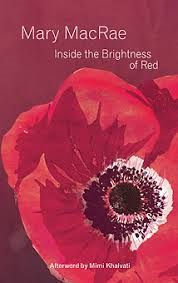
Review:  Mary MacRae, Inside the Brightness of Red (Second Light Publications, 2010), 96pp, £8.95, ISBN 978-0-9546934-8-0

Mary MacRae’s 2007 debut collection was titled As Birds Do. It is true that birds feature variously in that and this, her sadly posthumous new collection, but if we are unaware of the earlier title’s provenance, we might anticipate no more than a delicate, poetic take on the natural world, the kind of thing that fills so many small magazines. But MacRae alludes to the moment in Macbeth, when Lady Macduff and her son contemplate death. The mother asks, “How will you live?” and the son, with a wisdom far beyond his years, replies, “As birds do Mother . . . . With what I get I mean”. MacRae’s poetry is full of such emotionally-charged, vital identifications with natural creatures and, more profoundly, with the sense that what can sustain us in life must be derived from everyday common objects.

book 1

As a title, Inside the Brightness of Red, also flirts a little with poetic affectation, but once inside the book’s covers, it is MacRae’s precise, even astringent, penetration that is so impressive. She reads the world around her and finds spiritual meanings. It is no surprise that R.S. Thomas supplies the epigraph to this new collection: “It is this great absence / that is like a presence, that compels / me to address it without hope / of a reply”. So a poem called ‘Yellow Marsh Iris’ promises to be a naturalist’s observation then startlingly wrong-foots the reader with its opening line (“It’s how I imagine prayer must be”) and proceeds to its seamless business of combining accuracy of observation with an emotional and intellectual narrative. She studies the flower stems crammed into a glass vase:


their stiff stems magnified

by water, criss-crossing

white, pale green, green

in a shadowy coolness


We are reminded that there is a kind of intensity of observation that succeeds in prising open our relationship with the outer world in such a way that while encountering the Other, we more clearly glimpse ourselves. MacRae concludes her process of “looking and looking” at the flowers that has given rise to the sense that “they seem to hold / all words, all meaning, / and what I’m reading / is a selving, a creation.”

MacRae’s visions are almost always peripheral, fleeting, askance. The unfolding of daffodils – which, in a quite different age, Wordsworth could contemplate steadily and then stow away for future use – here can never be more than something


waiting for us somewhere in the wings

like angels,


your darting after-image

between the pear-tree

and the brick wall.

(‘Daffodils’)


In the same vein, MacRae has Bonnard, paint his mistress, Marthe de Meligny, and declare that his sensibility is triggered by “looking askew”. The visionary moment occurs only when “Glimpsed through the half-open door / or the crack of the hinge-gap” (‘Bonnard to Marthe’) and this collection’s editors (Myra Schneider and Dilys Wood) have drawn it to a close with yet another such moment: “Turning back to look through an open door” the narrator sees an ordinary room “utterly transformed, / drained dry and clear, unweighted” (‘Un-Named’).

book 2It may be that this ability to be sustained by scraps and glimpses, the sense that the self is most fully resolved in a lack of egotism, in its encounter with ordinary things, can diminish some of the sting of mortality. In a poem like ‘White’, MacRae manages to celebrate again the ordinariness of familiar things while at the same time sustaining a contentedness (or at least an absence of fear) at the prospect of the self’s vanishing: “You can disappear in a house where / you feel at home; the rooms are spaces / for day-dreams, maps of an interior / turned inside out”. Rather than Macbeth, it is Hamlet’s resolve to “let be” that comes to mind as this calm, accessible, colourful and wonderfully dignified poem concludes:
 

Let

it all go; soon the door of your room


will be locked, leaving only a slight

hint of you still, a ghostly perfume

lingering in the threadbare curtains and sheets.


But MacRae’s contemplation of her own death, most likely, was no such safely distanced envisaging. Dying at 67 years old, she’d had only 10 years of writing poetry, but it had evidently become a vessel into which she could pour her experience without ever abandoning herself to artistic ill-discipline. ‘Prayer’ is almost too painful to read. The narrator is emerging from the “thick dark silt” of anaesthetic to hear someone sobbing and a second voice trying to offer comfort. As her befuddled perceptions clear and the poem’s tight triplet form unfolds, the second voice is understood to be saying “’Don’t cry, Mary, / there’s no need to cry’”. The collection’s title poem can bluntly report that “the cancer’s come back” yet artfully balances such devastating news with the landscape of Oare Marsh in Kent where colours “are so spacious, / and have such depth they’re like lighted rooms // we could go into” (‘Inside the Brightness of Red’).

untitledFor MacRae’s interest in and skill with poetic form, we need look no further than the extraordinary glose on a quatrain from Alice Oswald (the earlier collection contained another on lines from Mary Oliver). For most poets, this form is little more than an exhibitionist high-wire act, but MacRae’s poems are moving and complete. Her use of poetic form here, particularly in some of these last poems, reminds me of Tony Harrison’s conviction that its containment “is like a life-support system. It means I feel I can go closer to the fire, deeper into the darkness . . . I know I have this rhythm to carry me to the other side” (Tony Harrison: Critical Anthology, ed. Astley, Bloodaxe Books, 1991, p.43). Appropriately, in ‘Jar’, she contemplates with admiration an object that has “gone through fire, / risen from ashes and bone-shards / to float, nameless, into our air”. Here, the narrator movingly lays aside the wary scepticism of the Thomas epigraph and rests her cheek on the jar’s warmth to “feel its gravity-pull / as if it proved the afterlife of things”.

This inspiring collection contains a short Afterword by Mimi Khalvati who MacRae frequently praised as a critical figure in her work’s development. Khalvati lauds her as “a poet of the lyric moment in all its facets”. She judges MacRae’s ten years work as an “extraordinarily coherent” body of poems, suggesting that, among the likes of Oswald and Oliver, MacRae’s work is “modest but not lacking in ambition”. For me, her two collections certainly exhibit a modesty before the world of nature that is really a genuine humility, allowing both the physical and spiritual worlds to flower in her work. This was her true ambition, pursued in full self-awareness and one that, before her sad leaving, she had triumphantly fulfilled.


‘From Palette to Pen’ – a bit more ekphrasis

My blog post a couple of weeks ago on ekphrastic poems (ie. poems stimulated by visual art) proved to be one of the most popular I’ve ever written. This was in part the ‘how to’ aspect of the blog. In preparing to run a workshop at the Holburne Museum in Bath in February, 2017, I’d been reading a wide variety of poems derived in some fashion from the poet’s encounter with visual art and I tried to categorise the various approaches. I came up with 14: 

  1. Describe – and do no more.
  2. Describe but imagine beyond the frame
  3. Describe but incorporate researched materials
  4. Make Main Figure Speak – the most common approach
  5. Make Minor Figure/s Speak
  6. Make Objects Speak
  7. Make the Artist Speak
  8. Interrogation of the Artist
  9. Interrogation of illustrated Figure/s
  10. Interrogation of Yourself
  11. An Account of Your Encounter with the Art
  12. An Account of Gallery Visitors’ Experience
  13. An Account of Others’ Experience
  14. Come at a Tangent – the ekphrastic experience as after-thought or illustration

From-Palette-to-Pen-185x300

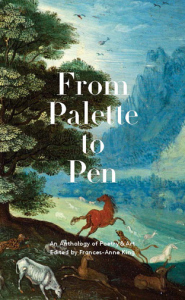
While at the Holburne Museum I was given their recent anthology of ekphrastic poems, From Palette to Pen, edited by Frances-Anne King in 2016. It contains 20 poems stimulated by art objects in the Holburne and as well as recommending it as a great resource for ekphrastic writing, I thought I’d use it to test my earlier analysis of the form to see if it held water.

It did pretty well. It goes without saying that all the poems engaged to some degree in method 1 – description of the art object itself. But beyond that, by far the commonest approach was method 4 – making the main figure speak. This was adopted by Anna-May Laugher, Claire Dyer, Carrie Etter, Frances-Anne King, Pascale Petit, Linda Saunders and Lesley Saunders. Petit manages to make Adam speak, remembering his naming of the animals; Claire Dyer makes Rosamund Sargent speak from her own portrait by Allan Ramsay; Lesley Saunders makes one of the sisters, Alicia and Jane Clarke, speak and so betray their “little sisterly difficulties”.

imgres

Another common approach was my method 8, an interrogation of the artist (without getting the artist to actually speak for themselves (method 7)). Jenny Lewis’ poem on a 17th century Rosewater basin began in this way, inquiring “What’s on his mind as he hammers / the silver, makes light flower”. Her poem goes on to incorporate some obvious research into the object too (my method 3) which takes her poem away from a narrow view into the colonial world of “London, the world, New England” in which it was made. David Hale, writing about Jan Asselyn’s ‘Landscape with Drover’ also imagines and interogates the artist’s approach, gazing at his own picture in process:

Ah, the south. He feels the heat of it

on his face and hands, smells dust, dung

and crushed thyme as he sips his coffee,

wonders again what the bull is looking at –

where time and life have gone.

imgres

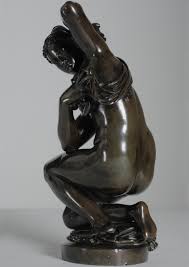
I’d be tempted to widen this category of approach – or even introduce a new one – because several poems in the anthology interrogate the artist specifically about the artistic methods used to create the art object. Sue Boyle does this in detail about the making of Antonio Susini’s bronze figure, ‘Crouching Venus’: “Coated in plaster, lowered into fire, / she must be negated, melted from her mould”. There are also elements of this approach in the poems by Dawn Gorman and Phillip Gross, the latter dwelling as much on the making of a Beadwork Basket as on its illustrations of Charles II and Catherine of Braganza. Gill Learner’s poem also looks over the artist’s shoulder as he glazes a 15th century earthenware dish.

My method 9 – interrogating or engaging with one of the figures in the art work – was used by Caroline Heaton, Wendy Klein and Tim Liardet. Klein and Liardet both directly address figures in the image (for example, “Someone chose the best for you, Mary Bourchier” and “You let the baby grip his fingers”). Heaton’s engagement with Plura’s marble statue of ‘Diana and Endymion’ is a bit less direct, using the third person (rather than a second person address) to think herself into Diana’s state of mind:

Confined to the island

of the self, she laments

the chill of her lunar circuit,

its lonely eminence.

imgres

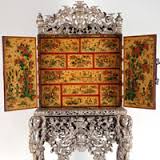
Rosie Jackson approached a piece of furniture, ‘The Witcombe Cabinet’, via a brief description of it but quickly developed thoughts about her own mother and indeed herself which I’d take to be my method 10 – using the art object to interrogate or enquire into one’s own life: “”My mother would have loved it here, / the roped off beauty […] But I ask questions of locked drawers”.

imgres

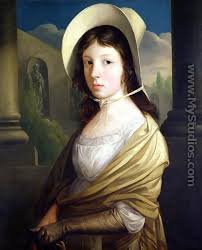
I think Claire Williamson mostly used method 3 – describe and make use of researched materials – in her poem on Thomas Barker’s painting of ‘Priscilla Jones’. The relationship between the sitter and the artist is the focus here, their romantic engagement and subsequent “passionless” marriage. In fact, I’ve not checked details of the painting/poem and I suppose it maybe that Williamson is making all this up – in which case she’s adopting method 2 – describe and imagine beyond the frame as George Szirtes does in anticipating the adult life of the boy in ‘Garton Orme at the Spinet’.

So the methods used in this anthology are fairly limited – seven of the fourteen I proposed. Those not adopted here are several varieties of ventriloquism (getting minor figures or objects to speak up; getting the artists to speak directly), the kinds of poem that more narratively describe encounters with art objects in a gallery or other location and a more tangential approach.

imgres

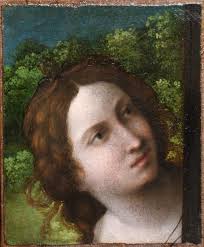
Finally, Lawrence Sail’s poem describes a Mantuan School ‘Female Head’ and is probably the ‘purest’ ekphrastic poem in the anthology in that it does little more than describe the image – method 1. However, Sail addresses the woman imaged as “Our lady of the liminal” and as such he breaches the borders (“offstage”) a fair bit, beginning to imagine beyond the frame to some degree (method 2). It’s a lovely poem and deserves quoting in full:

Female Head, about 1525

Our lady of the liminal –

witness at her back the margins of

the unruly forest,

and the focus of all her attention

being offstage.


But the heart of the story is locked

in the ghost of her gaze – its candour,

the early signs

of grief, a drift to the verge

where hope wavers.


And everywhere, time on the make –

in the darkening turquoise of the sky,

the slow swell

of the trees, the craquelure moving up

to infect her soft features.

William Carlos Williams’ Brueghel Poems

Last week I travelled down to the Holburne Museum in Bath to take a look at their Brueghel dynasty exhibition – this is where I am running a poetry workshop this coming weekend (25th Feb – it’s waiting list only now I believe). So after last week’s blog post about the varieties of ekphrastic poetry, my mind is still on the same topic. Unsurprisingly I have been looking at William Carlos Williams’ late ekphrastic poems in Pictures from Brueghel (1962). I think the reasons why Williams was so drawn to these images 50 years ago remain the reasons why Brueghel’s star continues to rise in popularity (not just among ekphrastically-inclined writers) in our century.

pieter_bruegel_the_elder_-_wedding_dance_in_the_open_air_-_wga03505

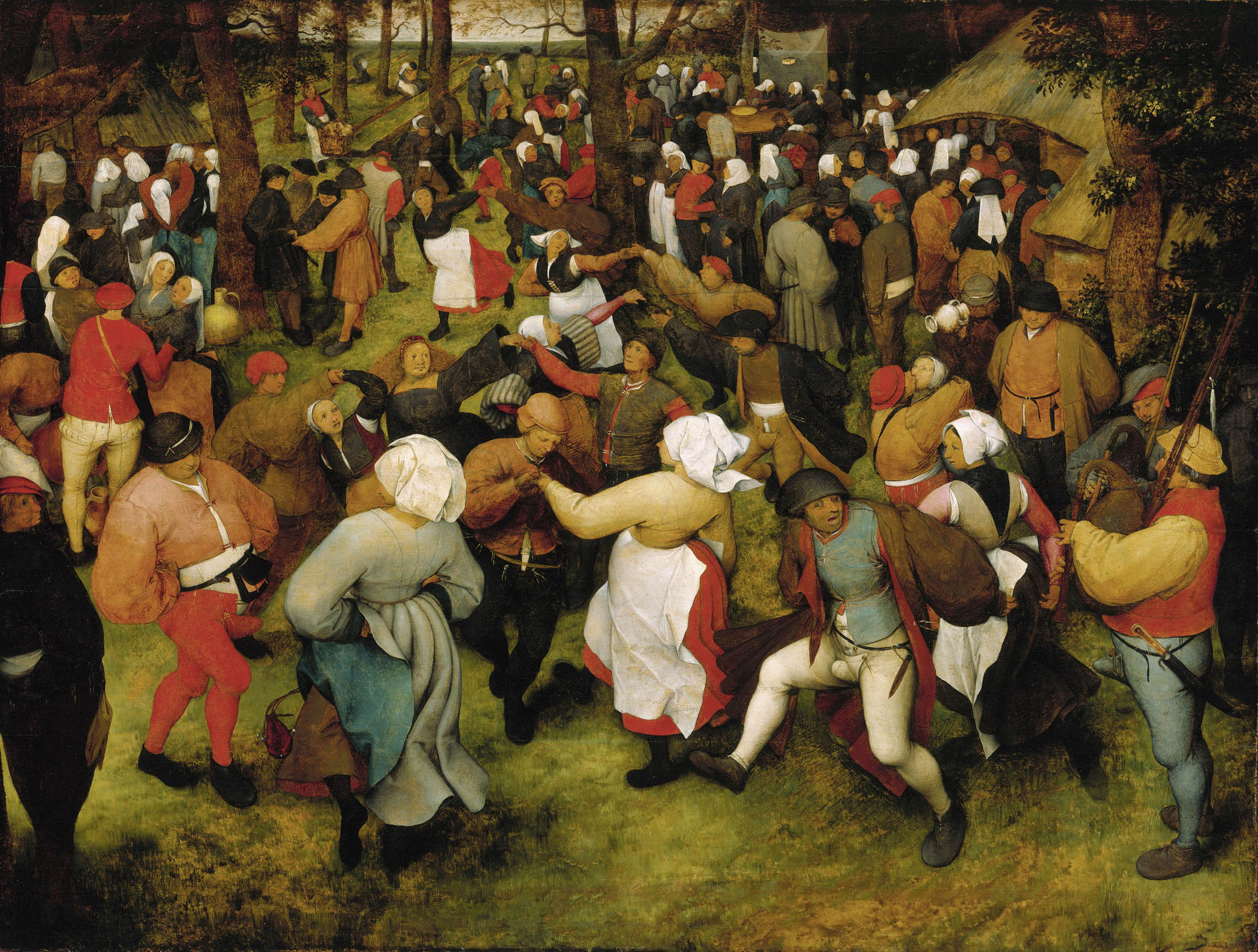
We like Pieter Brueghel the Elder’s work because it gives an impression of conveying a plain, unvarnished truth and this was done by self-consciously reacting against Romanist and more conventional, stylised Renaissance models. This gives many of the images a democratic or at least a demotic feel (something Melvyn Bragg and his guests pursued in the In Our Time edition on Brueghel’s painting ‘The Fight Between Carnival and Lent’). We also respond to Brueghel’s gentle caricaturing of human figures which seems to be done at least as much out of amused sympathy as satire. We are intrigued as well by Brueghel’s tendency to literal eccentricity, to displace the expected centre of his canvas, most notably in Biblical subjects where the Nativity or the journey to the Cross is subsumed – hard to spot – in a larger, village scene. In other images, there seems almost to be no clear centre of focus (in pictures on children’s games or Netherlandish proverbs, for example). For Williams, a 20th century poet interested in breaking with tradition (linguistically and formally), on fully recording the modern world as it is, and with a clear democratic (American) focus, Brueghel’s work makes an obvious rhyme.

Most of Williams’ poems about Brueghel’s pictures simply describe what is to be seen. There is a fidelity to the fidelity of what Brueghel does. The closing lines of ‘Children’s Games’ praises the way “Brueghel saw it all / and with his grim // humor faithfully / recorded / it”. ‘The Wedding Dance in the Open Air’ describes plainly the “riotously gay rabble of / peasants”, the poem intent mostly on conveying the sheer energy and vitality of the scene, climaxing in the “Oya!” cry which comes as much from the mouths of the peasants as from the admiring poet. What adds interest to this poem is the opening statement that such a fizzing and spilling of energy is “Disciplined by the artist / to go round / & round”.

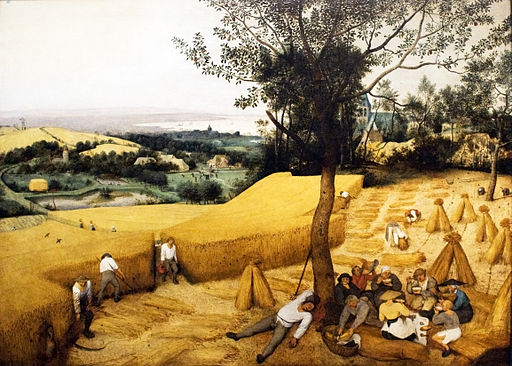
512px-pieter_bruegel_the_elder-_the_corn_harvest_august

‘The Corn Harvest’ is likewise largely descriptive of the particular canvas though the role of the artist as ‘organiser’ is noted at the outset. The poem ‘Peasant Wedding’ repeats this descriptive method, varied only by the poet’s opening imperative address to one of the figures: “Pour the wine bridegroom”. The tension in this poem is less between artist and his boisterous subjects but between the boisterous wedding guests and the bride who sits “awkwardly silent”. Williams’ frequent thoughts about the nature of the artist surface most clearly in ‘Self-Portrait’ (a Williams’ mistake – in fact a painting not by or of Brueghel at all).  Starting again from plain description, the poem comes to focus on the artist’s eyes (“he must have / driven them hard”) and the poem deduces/speculates on the artistic commitment this implies: “no time for any- / thing but his painting”.

icarus

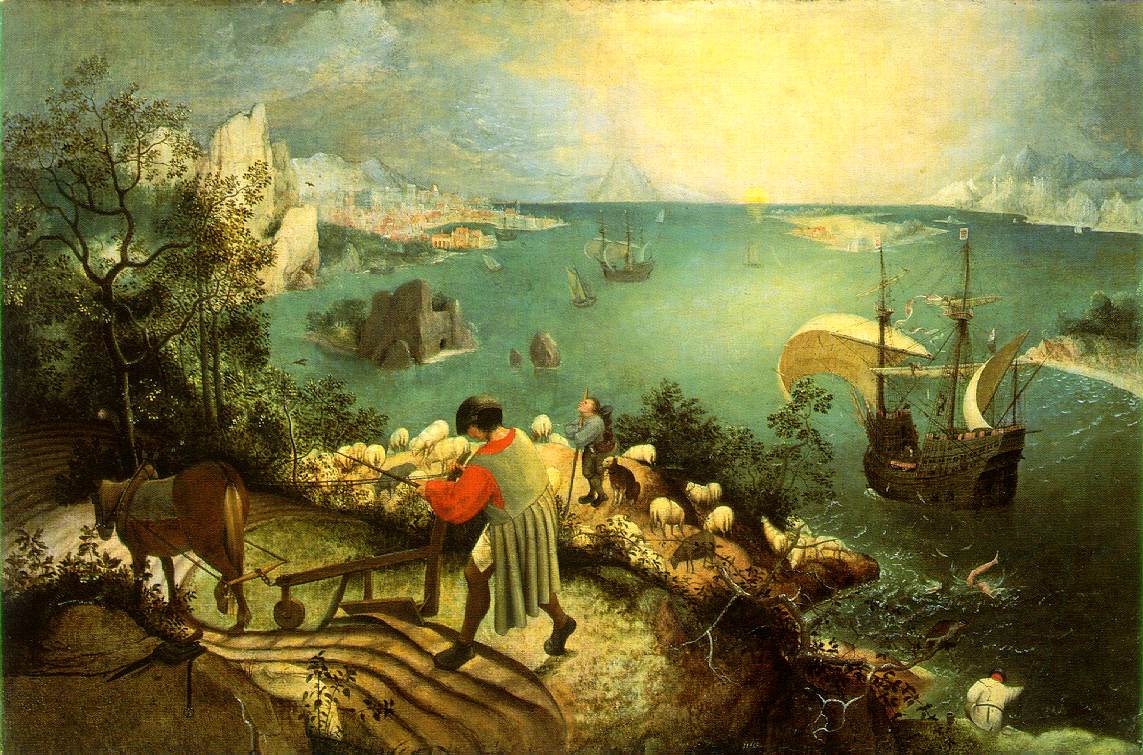
In ‘Landscape with the Fall of Icarus’, Williams looks at the same painting that Auden did some 20 years earlier. Williams’ take is very much like Auden’s and both are finely attuned to Brueghel’s image which characteristically displaces the centre of interest (the falling boy’s body). For Williams, the event occurs “unsignificantly” and the splash goes “quite unnoticed” or as W H Auden put it more memorably as the Second World War got under way: “everything turns away / Quite leisurely from the disaster”.

anbetung_der_konige_bruegel_1564_-_cropped

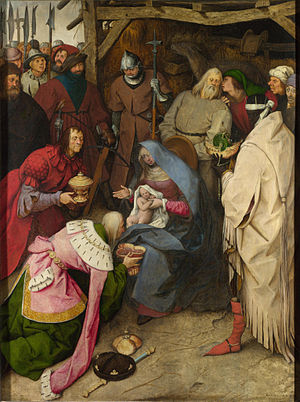
‘The Hunters in the Snow’ mixes plain description with an interrogation of the artist’s choices as “organiser” of the image, his placing of objects to left or right, background or foreground. Williams again expresses his admiration for Brueghel’s concern “with it all”, for the older artist’s inclusive, comprehensive engagement with the world; this from the poet who wrote of wheelbarrows and cold plums. This insistence on art’s encompassing what is there (more than what we’d like to be there) emerges again in ‘The Adoration of the Kings’ (Williams also wrote about this image in Paterson (1958)). Here. Williams uses a bit of art history to point out Brueghel’s divergence from “the Italian masters”. Brueghel’s mind is said to be “alert” and “dissatisfied with / what it is asked to”. Rather than a slavish adherence to tradition, Brueghel is a “chronicler”, in particular in the eccentric portrayal of Joseph, chatting distractedly in the background, and Mary, eyes downcast, self-deprecating, almost hidden from view.

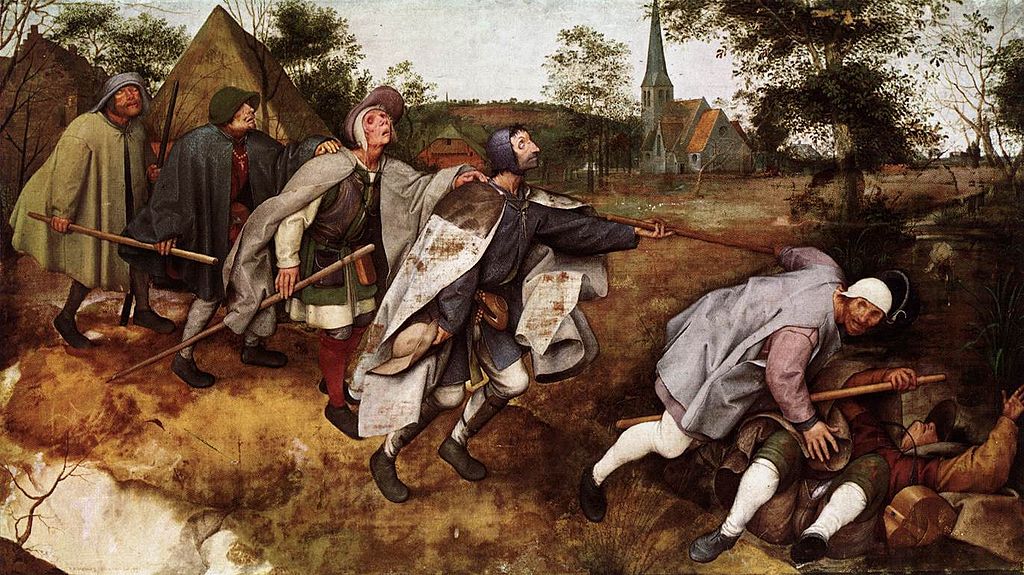
1024px-pieter_bruegel_the_elder_-_the_parable_of_the_blind_leading_the_blind_-_wga3511

The best of these poems is ‘The Parable of the Blind’. Using his usual devices of description of the image and comments on the artist’s judgment (its colours and diagonal arrangement of figures), the punch of the poem arises from an imaginative reading into the image. Some of the blind men’s faces are raised skywards, Williams says ironically, “as towards the light”, yet in reality they follow one another “stick in / hand triumphant to disaster”. It’s a “horrible but superb” picture” says the poem and perhaps Williams’ sense of the horror lies in the fact Brueghel has portrayed this moment (one of many that seem to have proverbial roots) with a fidelity that, on this occasion, accentuates the grimness far more than any possible humour: it’s an unusually cruel image.