Remembering Blue Nose Poetry events in London

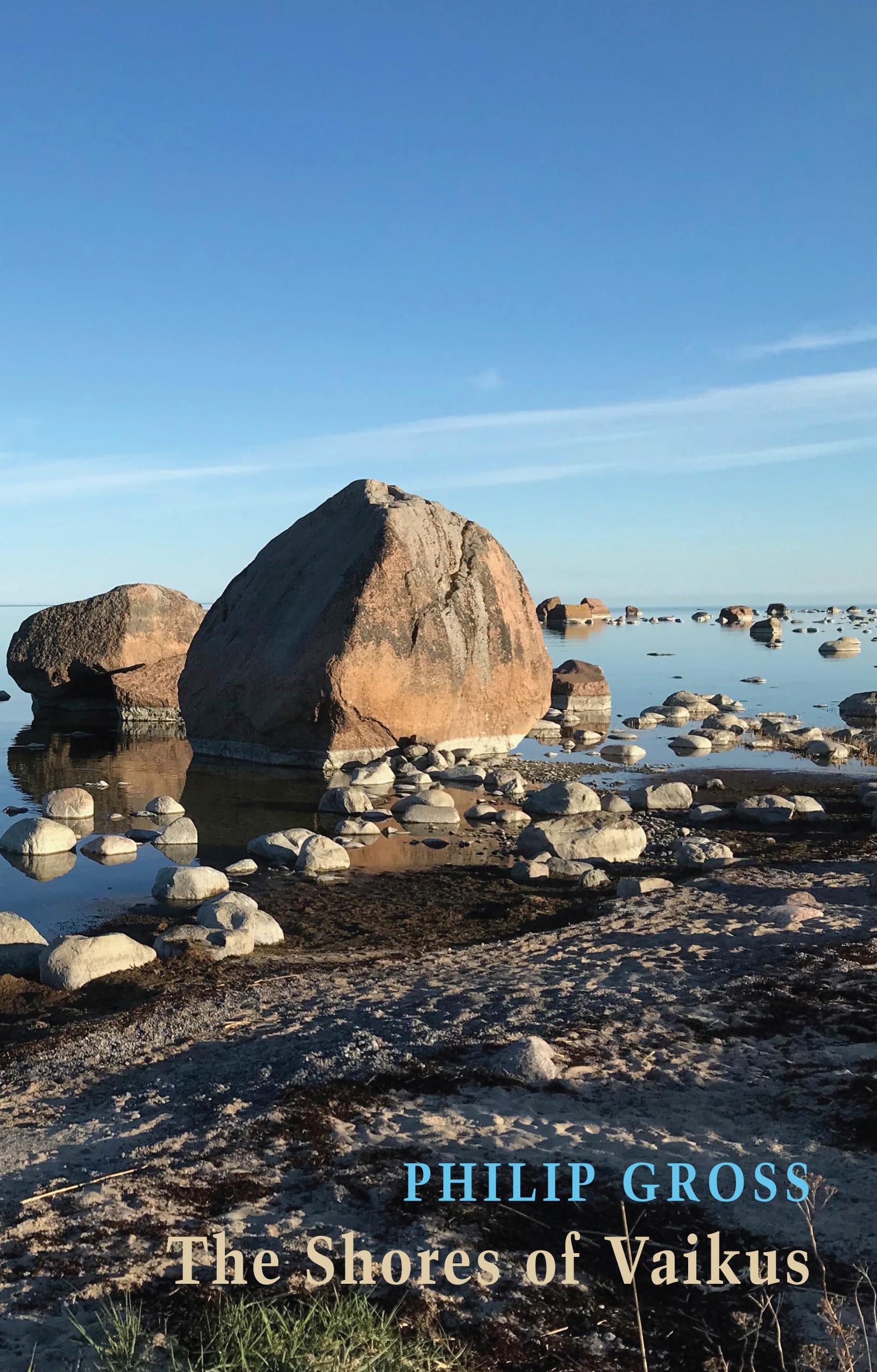
I recently attended the launch of Philip Gross’ new collection, The Shores of Vaikus (Bloodaxe Books, 2024) at the Estonian Embassy (the poems and prose pieces in the book refer to Gross’ father’s Estonian heritage and the poet’s visits to that country). I’ve followed his poetry since Faber published The Ice Factory in 1984. Neither of us could recall when we’d last met up but, after the event, I remembered that Philip was one of the first poets to read at the series of poetry readings (and associated workshops) I helped curate in the late 1980s/early 1990s, the Blue Nose Poetry series in London. I introduced him on the occasion (I still have the notes I made for the event in a Notebook for Spring 1989). I checked out the precise date in The Blue Nose Poetry Anthology (1993) which has sat on my shelves for many years now. The Blue Nose Poets (for personnel see below) invited all those who had read in the series to submit work and it strikes me now that it would be a shame if a record of our endeavours over a number of years was lost to sight completely. So, I’m posting here the Introduction to the Anthology and the full list of readers who appeared (often being paid nothing or a mere pittance) between 1989 and 1993. Interesting? I think so – given we hosted the likes of Dannie Abse, Patience Agbabi, Moniza Alvi, Simon Armitage, James Berry, Robert Creeley, Fred D’Aguiar, Michael Donaghy, Carol Ann Duffy, Michael Horowitz, Jackie Kay, Adrian Mitchell, Peter Porter, Peter Reading, Michèle Roberts, Ken Smith, and many more.

Introduction to The Blue Nose Poetry Anthology
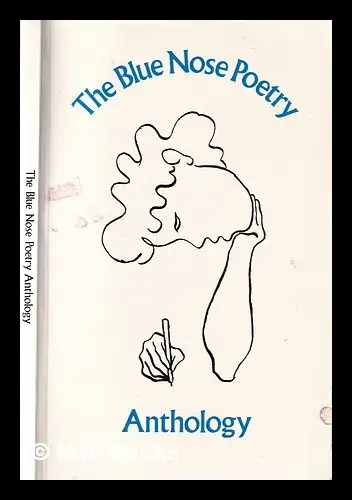
This anthology celebrates four years of Blue Nose Poetry in London. Its beginnings can be traced back to 1988, when Sue Hubbard advertised for members to join a small poetry workshop at her house in Highbury. Amongst others who began meeting regularly were the four founder members of the Blue Nose: Sue, Martyn Crucefix, Mick Kinshott and Denis Timm. At that time, poetry readings in London seemed to be in the doldrums. Uninviting rooms and draughty halls with chairs in impersonal ranks were often depressingly matched by poor organisation. The Blue Nose Poetry activities were set up with the express intention of providing workshops and readings in a friendly, accessible and organised atmosphere for new voices, up and coming writers and the already established. We were convinced that a cabaret setting of tables, candles and a drink with other enthusiasts could make poetry enjoyable. It was only with the discovery of The Blue Nose Cafe in Mountgrove Road, close to Highbury Stadium, that we found a name for the project and the real success of the Blue Nose began.

Our first poets came to the Cafe and read out of the goodness of their hearts. We thank them all once again. The first event with Michèle Roberts was packed and exceeded our wildest expectations. Within the course of one evening we had proved that exciting contemporary poetry could be presented really successfully. Soon, in response to Blue Nose’s track record of commitment and quality, GLA (later LAB) and Islington Borough agreed to support the project. Since then, there have been various changes. Mick Kinshott felt unable to continue as an organiser in 1990 and his commitment and humour was a great loss. His place was taken for two years by Bruce Barnes, whose knowledge of the poetry and arts funding world in London proved invaluable to the development of the project. More recently, Mimi Khalvati and Mario Petrucci have joined the three original members. In the middle of the Spring 1991 season, the Cafe where we held the events went into liquidation and a reading by Tom Pickard and Rosemary Norman sadly had to be called off. Regular events did not begin again until May 1991, when we moved into the more accessible, roomy and centrally located Market Tavern in Islington. Despite the many advantages of this new venue, there are a few who still regret the passing of the old Café which, though tiny, disorganised and terminally broke, did have a superb atmosphere for poetry.

In an appendix to this anthology, we list all the readers who have appeared at the venue/s – a genuinely comprehensive survey of poetry in recent years. This, of course, does not include the many poets who have had the opportunity to read from the floor at Blue Nose events. More importantly, this book contains no record of the hundreds and hundreds of people who have enjoyed and supported Blue Nose Poetry. This book is dedicated to them.

Martyn Crucefix / Sue Hubbard / Mimi Khalvati / Mario Petrucci / Denis Timm

Full List of Main/Support Readers for Blue Nose Poetry Seasons 1989 – 1993

March – July 1989

Michèle Roberts read with Martyn Crucefix; Philip Gross read with Sue Hubbard; Jeremy Silver read with Mick Kinshott; Jo Shapcott read with Denis Timm; Leo Aylen read with Gerda Mayer; Alison Fell read with Hume Cronyn; The Blue Nose Poets; Carole Satyamurti read with Barbara Zanditon; Michael Donaghy read with Rupert Slade; Adam Thorpe read with Al Celestine.

Philip Gross

September – December 1989

Ken Smith read with Mimi Khalvati; Anna Adams and Julian May; Gerda Mayer read with Chris Powici; The Blue Nose Poets; The Performing Oscars; Maura Dooley read with Sara Boyes; Fred D’Aguiar read with Matt Caley; Matthew Sweeney read with Hilary Davies.

January – April 1990

Fleur Adcock read with John Harvey; Dannie Abse read with Myra Schneider; Elaine Randell read with Frances Presley; Hugo Williams read with Keith Spencer; Pitika Ntuli read with Bruce Barnes; John Cotton read with Bridget Bard; Michele Roberts read with Peter Daniels.
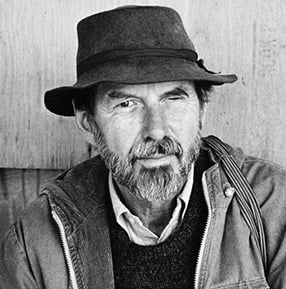
Robert Creeley

May – July 1990

The Blue Nose Poets; Sarah Maguire read with Vicki Feaver; Jeni Couzyn read with W N Herbert; James Berry read with Susan McGarry; Simon Armitage read with Chris Gutkind; E A Markham read with Mimi Khalvati; Brian Patten.

September – December 1990

In the Gold of Flesh anthology with Valerie Sinason, Dinah Livingstone, Pascal Petit, Jenny Vuglar; George Szirtes read with Gabriel Chanan; Kit Wright read with Candice Lange; The Blue Nose Poets; Michael Horovitz read with Raggy Farmer; Patience Agbabi and Judi Benson; Jenako Arts Writers; Carol Ann Duffy read with Steve Griffiths.

January – March 1991

Judith Kazantzis read with Mario Petrucci; Robert Creeley read with Mick Kinshott; Jackie Kay read with the Speech Painters; Peter Forbes and Eva Salzman; [Blue Nose Cafe in Highbury suddenly closes]; Lemn Sissay read with Adam Acidophilus.

May – July 1991

Peter Porter read with Elizabeth Garrett; The Blue Nose Poets; Carole Satyamurti read with Leon Cych; Peter Scupham read with Lucien Jenkins; Leo Aylen read with Rosemary Norman.

October – December 1991

Sylvia Kantaris read with Andrew Jordan; Gillian Allnutt read with Helen Kidd; Alan Jenkins read with Eric Heretic; Sean Street and Hubert Moore; Lee Harwood and Richard Cadell; Xmas Party – Tony Maude, Speech Painters and music from Dean Carter.

January – April 1992

Adrian Mitchell; David Constantine read with Tim Gallagher; David Morley with Martyn Crucefix; Sue Stewart read with Bruce Barnes; Glyn Maxwell read with Sue Hubbard; Peter Abbs read with Nicky Rice.
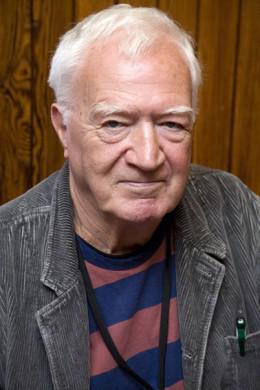
Adrian Mitchell

May – July 1992

Jo Shapcott read with Mick Kinshott; Bobbie Louise Hawkins read with Robert Sheppard; Birdyak – Bob Cobbing and Hugh Metcalfe; Colin Rowbotham read with Richard Tyrrell; Ken Smith read with Eric Heretic.

October – December 1992

Connie Bensley and Felicity Napier; The Poetry Show at Rebecca Hossack Gallery; Donald Atkinson read with Jane Duran; Ruth Fainlight read with Moniza Alvi.

January – April 1993

Peter Reading read with Briar Wood; Ruth Valentine; Myra Schneider read with Mario Petrucci; Carol Rumens read with Daphne Rock.

What Have I Been Reading: December 2014 – March 2015

Up-dated March 2015

Too little poetry-reading time recently has meant I’ve been thinking a lot about two texts we are using for A level coursework at the moment:

Tennessee Williams’ first great success, the autobiographical The Glass Menagerie, seems to strike chords in most modern teenagers and contains one of my favourite quotes: “I know I seem dreamy”, Tom says to Jim the Gentleman Caller, “but inside – well, I’m boiling!”

images

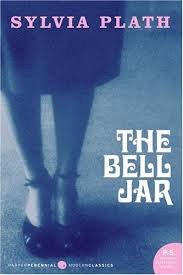
This is being read alongside Sylvia Plath’s only completed novel, The Bell Jar. Plath divides students every time – poetry or prose – my one observation is that with repeated teaching the book thins rather than deepens.

images

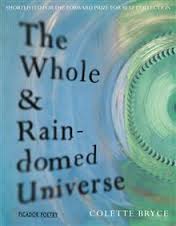
I’ve eventually got to read Colette Bryce’s recent new book, many of the poems about her childhood in Derry: short, focused, honest and managing memorable things within a very narrow linguistic palette.

imgres

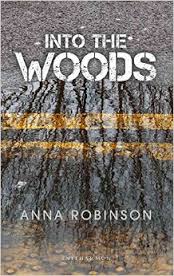
Anna Robinson’s new collection also works within a narrowed range of language choices. She produces strange folk-tale-like poems, which keep rubbing their eyes, not sure whether what they are seeing is contemporary London or some mythic rural past. Mysterious poetry.

imgres

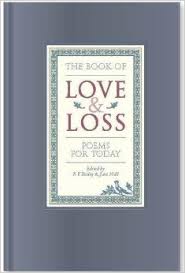
I’ve been dipping again into The Book of Love and Loss, eds., Rosie Bailey and June Hall (Belgrave Press, Bath, 2014), in part because I am reading from it at the end of next month at Heffers Bookshop, Cambridge.

imgres

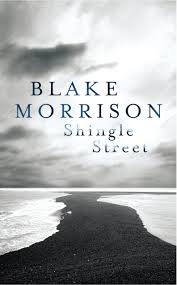
Blake Morrsion’s Shingle Street is his first full collection since 1987 and while there are flashes of the poet I once admired (I thought Dark Glasseswas very good) the book is full of rather dull thoughts – nature, ageing – and language that fails to lift off the page.

imgres

Up-dated February 2015

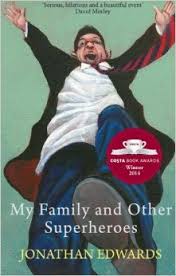
Jonathan Edwards’ Costa Poetry prize-winning first collection from Seren is as accessible and diverting as the front cover would suggest and any poet inspired to write by the Simpsons is OK with me. Whether the jokes, caricaturing, a rather sit-comy stories survive repeated reading is something I’m still debating.

imgres

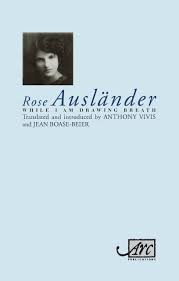
Rose Auslander’s minimalist gems are hewn out of the silences associated with her suffering in the ghetto in Czernowitz (and influenced by her friendship with Paul Celan). I am pleased to be reviewing this refreshed collection from Arc for a future Poetry London alongside Volker Braun’sRubble Flora – see below .

imgres

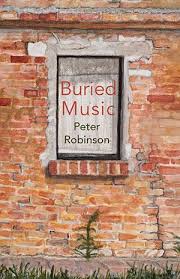
Peter Robinson’s most recent Shearsman collection continues his lyric exploration of the profundities to be found just beneath the surface of the everyday.

imgres

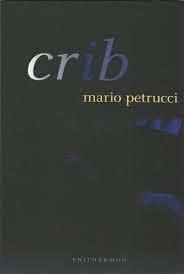
Mario Petrucci’s Crib from Enitharmon extends his experiments under the influence of Black Mountain. Poems sometimes stunning and economical, at others too self-consciously aware of language as an object (blocking the reader’s view). There’s certainly not much else like this around British poetry at the moment.

imgres

Emily Berry’s poems don’t attend much to Glyn Maxwell’s concerns with the tension between black ink and white space (see:https://martyncrucefix.com/2014/08/13/the-art-of-the-line-break/). The poetry is in the connections or lack of them and therefore leans to the surreal, with some palpable hits and other dead passages.

imgres

Up-dated January 2015

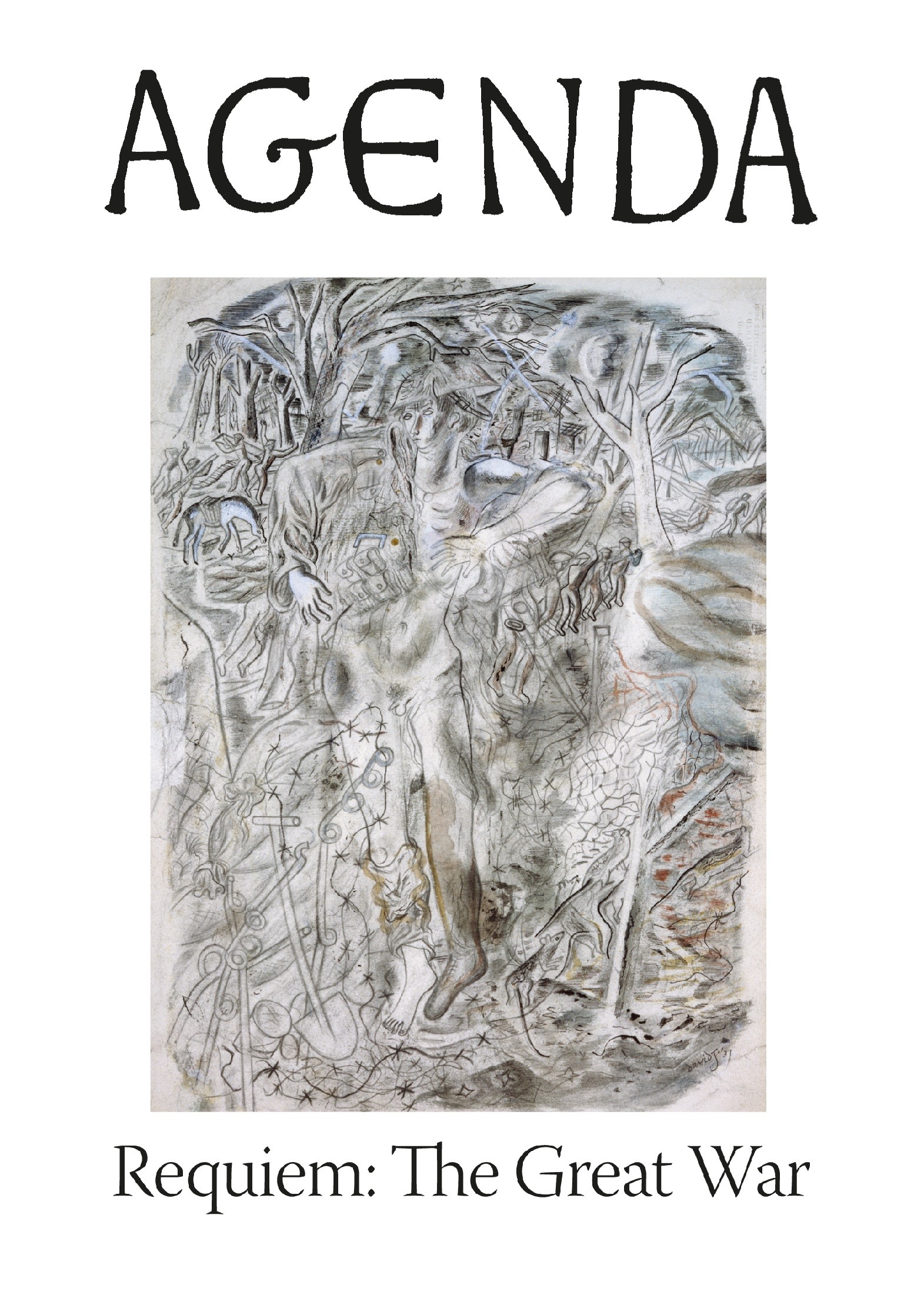
Patricia McCarthy’s chunky Agenda issue on The Great War is full of fascinating original poetry, translations and essays on French, German and Italian war poetry and reconsiderations of Edward Thomas, David Jones and Ivor Gurney among others.

agenda_-_requiem_the_great_war

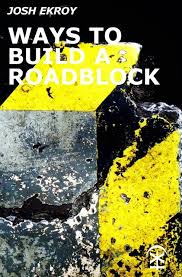
Josh Ekroy has been appearing on prize lists all over the place recently and his debut collection from Nine Arches Press is full of engaged, disturbing poems, capable of dealing with militarism and warfare:

imgres

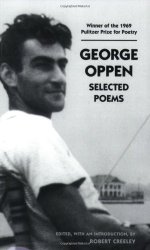
I’ve been reading George Oppen’s work via Louise Gluck’s admiration for him; I’m still working on it . . . .

41vxLKUGC3L._UY250_

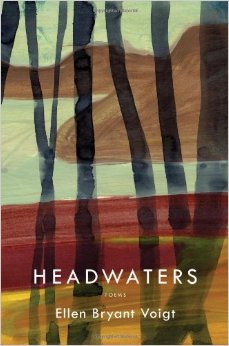
Debra Albery, an American friend who works at Warren Wilson, recommended this book of new poems by Ellen Bryant Voigt, full of the natural scenery of Vermont and fascinatingly eschewing all punctuation (like WS Merwin) to track the little manoeuvring negotiations of mind with world:

51z+jK085gL._SY344_BO1,204,203,200_

Wislawa Szymborska’s chatty, deceptively easy-listening poems in this 2010 translation make poetry writing look easy and able to encompass almost any topic:

71ceuvjjSJL

Up-dated December 2014

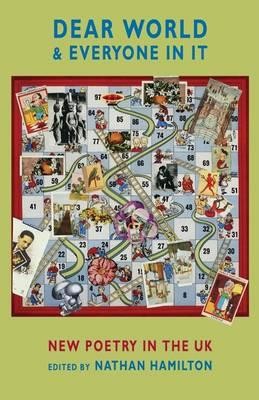
Nathan Hamilton’s big baggy collection of new poetry from Bloodaxe:672e5f96e2707467131a6f685241870c

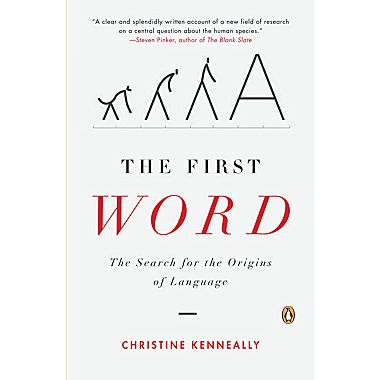
Christine Keneally’s comprehensive review of contemporary ideas on the evolution of language:m000463281_sc7

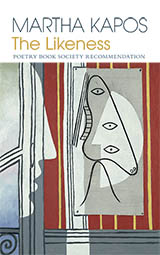
Martha Kapos’ powerful new collection from Enitharmon:Kapos_Likeness_cover_final.indd

Brilliant selected poems from German poet Volker Braun, translated by Karen Leeder and David Constantine (Seagull Books):Layout 1

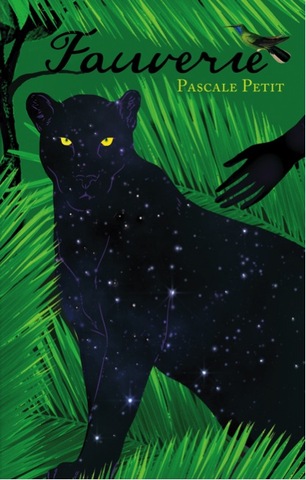
Pascale Petit’s powerful and strangely lit memorial to her father (Seren):

Poetry at Palmers Green: live review (April 2016)

When reviewing my first year of blogging on poetry and related matters (see blogI said I wanted to review more live events. That has not happened really but this week I wanted to rectify that to some degree.

Last Saturday I drove a few miles north to Palmers Green, best known to the poetry world of course, as the home ground of Stevie Smith who moved there when she was three years old. She was educated at Palmers Green High School and North London Collegiate School for Girls and lived in the area until her death in 1971. I first became aware of the current poetry activity in the area a few years ago when I went to readings at the bookshop in the High Street run by Joanna Cameron.

images
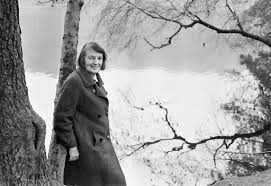
Stevie Smith in the park in Palmers Green

But in 2006 the Palmers Green Bookshop was forced to close, the lease was sold on and I think it was an opticians that opened in its place. Since then a number of local poets and enthusiasts have been keeping poetry alive with 6 monthly poetry readings at Stevie’s church, St John’s, N13 4AL. The readings take place in the Parish Centre adjoining the church and are always friendly and well-programmed evenings. I’d recommend them if you’re in the area (Contacts: Katherine Gallagher  or Myra Schneider and on Facebook).

images

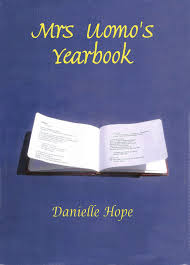
The evening was introduced with clarity and authority by Lynda How and readings took place as the April evening sun set outside. The Parish Centre looks at first a little soulless but with its shades-of-yellow decor, surprisingly tasteful lighting and pitched wedding-cake-white roof it is actually a venue which has a good acoustic and a disarming and warm atmosphere. The first reader was Danielle Hope, whose new book is Mrs Uomo’s Yearbook (Rockingham Press, 2015) from which she read the entertaining and instantly recognisable out-of-season seaside resort description  ’Llandudno Winter’. Recognisable to most of the audience it seemed and as I spent a couple of years in digs in Morecambe I knew the “please-remove-wet-shoes-at-door / heating-on-from-seven-to-eight / no-radiator-in-bar / low-watt-lamps” guesthouse. Her translations from the Italian are also impressive (Montale’s ‘Eastbourne’) and the Mrs Uomo poems manage to combine humour and acute observation with a more serious satirical edge. Mrs Uomo teaches her cat economics at one point but more poignantly is left awaiting an operation having “improved against [the NHS] recently refreshed thresholds”. Hope works as a doctor in London and knows what she is talking about here and her poems are always a pleasure to listen to delivered in a colloquial, un-stylised fashion.

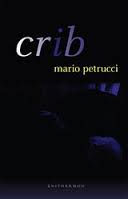
In contrast, Mario Petrucci read slowly and deliberately from crib (Enitharmon Press, 2014) which is a selection from the 111 poems he wrote during the first year of his son’s life (Mario was kind enough to allude to my own efforts in this topic area (see A Madder Ghost)). Petrucci’s work (especially in recent years) is much concerned with language as an object/medium in itself (hence his delivery). He spoke about his interest in the “deckle edge” of language where it begins to fade and dissolve and on the page he accentuates the thingi-ness of words with mostly very short lines, unpredictable line breaks, sometimes dividing words across line breaks.

imgres

The cover image of crib is of a child sleeping in almost pitch darkness – a metaphor Petrucci suggested for the way language itself struggles to communicate, picking from the mass of experience a highlight here or there. This from ‘i fish’:


in dark

with dark

as spool &


mark him

sparely

move


as if

i sought

magnified


on glass slide

that form


imgres

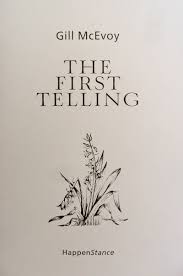
Gill McEvoy’s most recent pamphlet The First Telling (HappenStance, 2014) won the Michael Marks award in 2014. McEvoy’s delivery is rather more actor-ish, her voice taking on the inflections and tones of the character felt to be speaking the poems themselves. I’m never wholly convinced this is the way I (personally) want to hear poems read (I’m even more uneasy about poets who have learned texts in order to ‘act them out’). But McEvoy’s work – especially in The First Telling, which deals with rape and its aftermath – is easily powerful enough to overcome any misgivings I might have had. Her poems are often brief and delicate and disturbing:


I touch the cigarette


to my arm.

Here.

And here.


I can’t talk about it.


I could touch this fuse

to my chair.

I could watch it catch.

I could watch it flame

to roaring fury.


Counterpointing such troubling pieces, McEvoy scatters even briefer poems on birds which comment obliquely on the human narrative. Petrucci had earlier commented on the importance of the silence after a poem has been read aloud and in the intervals between many of these poems – at least while the evening light held out beyond the windows – I could hear the occasional twitter and cheep of birds in the churchyard grounds. A rather lovely accompaniment.

After the interval there were 8 floor readers. The quality of the work was high (not always the case where venues welcome floor readers) but I was struck by the number of people reading from electronic devices – phones and iPads. Of the main readers several read from their books (traditional) others from folders where the poems seemed to be printed and ordered for the occasion (the well-prepared; the short sighted). I can see the latter becoming more likely in relation to my own eye-sight but I have to say I prefer to see poets read from their books (assuming the work is published) and I can’t help think that the sight of the book cover waving around up there does something for after-reading sales too.

imgres

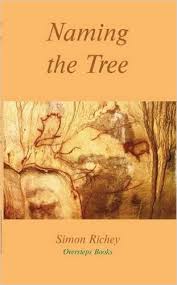
Simon Richey read from his first book, Naming the Tree from Oversteps Books. I’m ashamed to say I know little of his work (though he later confessed to me that he has hardly ever attended a poetry workshop, so perhaps he has just not been very visible on the ‘circuit’). I thought his work was very interesting indeed, sharing something of Petrucci’s concerns with language but also developing threads of thought and emotional responses alongside.


Somewhere
the meaning of a word,


before it becomes a word,
waits in the silence. It is as if


it has come as far as it can go
without being uttered. In a moment


it will change from one thing
into another, or its meaning


will tremble into a word,
into something barely familiar,


finding itself spoken,
finding itself understood.


Several of the pieces were prose poems – one a series of sections, called ‘The Darkness’, about the night-wanderings of cats as well as about the night-wanderings of their owner’s mind.

imgres

The final reader was Mo Gallacio whose marvellously rich reading voice (she is a trained actress) leant itself to both Scots and English verse, triumphantly avoiding that actor-voice that seems either to value the rotund vowels and the crisply planted consonants over and above the emotional tides of a piece of writing, or to emote all over the poetic text so heavily that the language and form of the poem is swamped and made unhearable. ‘Purple Iris’ is an especially moving poem about the incurable illness of a neighbour. Gallacio’s own struggles with cancer form the basis for a number of poems; in one she asks the nurse how she will feel after surgery – the nurse’s reply: like you’ve been stabbed! Gallacio’s evident love of and attentiveness to flowers and plants echoed McEvoy’s acutely observed birds and the evening ended with a celebratory bunch of brightly trumpeting daffodils (no more than £1 from Tescos) suggesting – with a nod to the Edward Thomas of ‘March’ perhaps – that Spring is most definitely HERE.

imgres