This brief review of my most recent chapbook, Walking Away (Dare-Gale Press, 2025), has been written by Debasish Lahiri and recently appeared on the website Everybody’s Reviewing, Dec 2025. Many thanks to the reviewer for his close reading and enthusiasm about the poems and to Jonathan Taylor who edits the wonderfully lively and interesting site at Everybody’s Reviewing.

Only participles here: their ghosts fill the passing of present and present pasts in Martyn Crucefix’s latest pamphlet Walking Away. One does not need to stand in the mere of biblical lore to realize that the “end” is a process. To be witness to our parents – their touch growing cold upon the warmth of our grasp, often desperate grasp, and their memories slipping like wind through the parapet of our fingers, or sand – is to be in the arc, or archetype, of the end. Crucefix’s poetry talks as much of us who are left behind as of our parents who grow more distant, more alien, without being able to go anywhere.
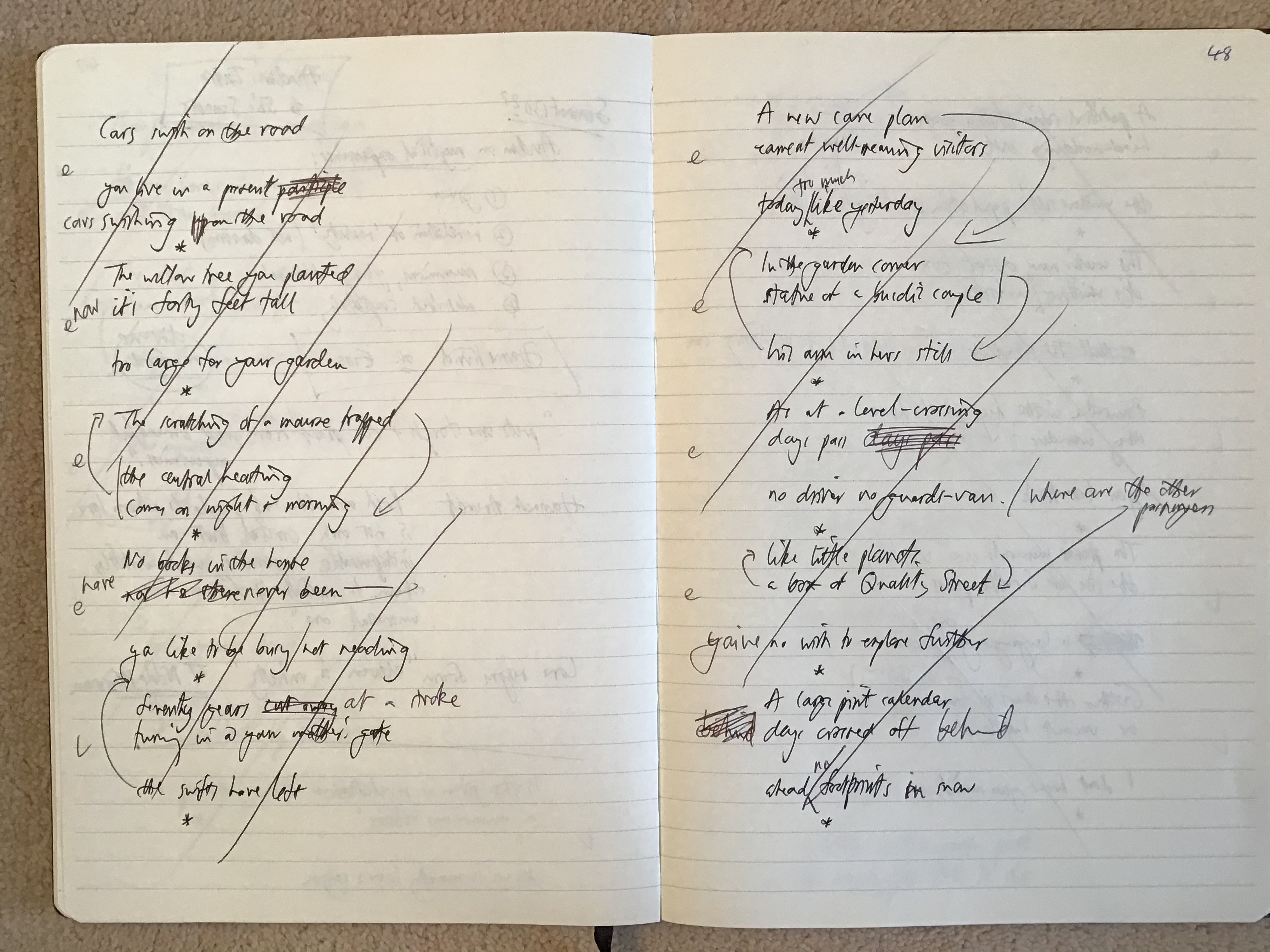
You hear cars hiss along the road
Cars hissing along the road
Only present participles
In writing about his parents, and their misted lens of time, where everything is either disconcertingly different, or befuddlingly the same, Crucefix unravels the tyranny of that continuum called the Present. With the deftest of touches he paints a time, the only time where we can be partakers together, but also a cruel time with no recall or hope for a future recognition.
Mother of your brother and sister
Mother of your three sons
The same car speeding away
Reading this collection one can’t but feel that it all stands up or falls apart depending on the miraculous presence or absence of that hand or arm in the precipitate moment when the mind is afraid, limbs waver on the verge of a fumble and a silent swipe at balance comes up with aether. It isn’t merely furniture that has moved. Care-givers move through the house. A flux of children, wives and kin sweep through. The house turns out to be a Care-Home.
Dining chair and coffee table
Shifted here and there
Losing you. Your balance too
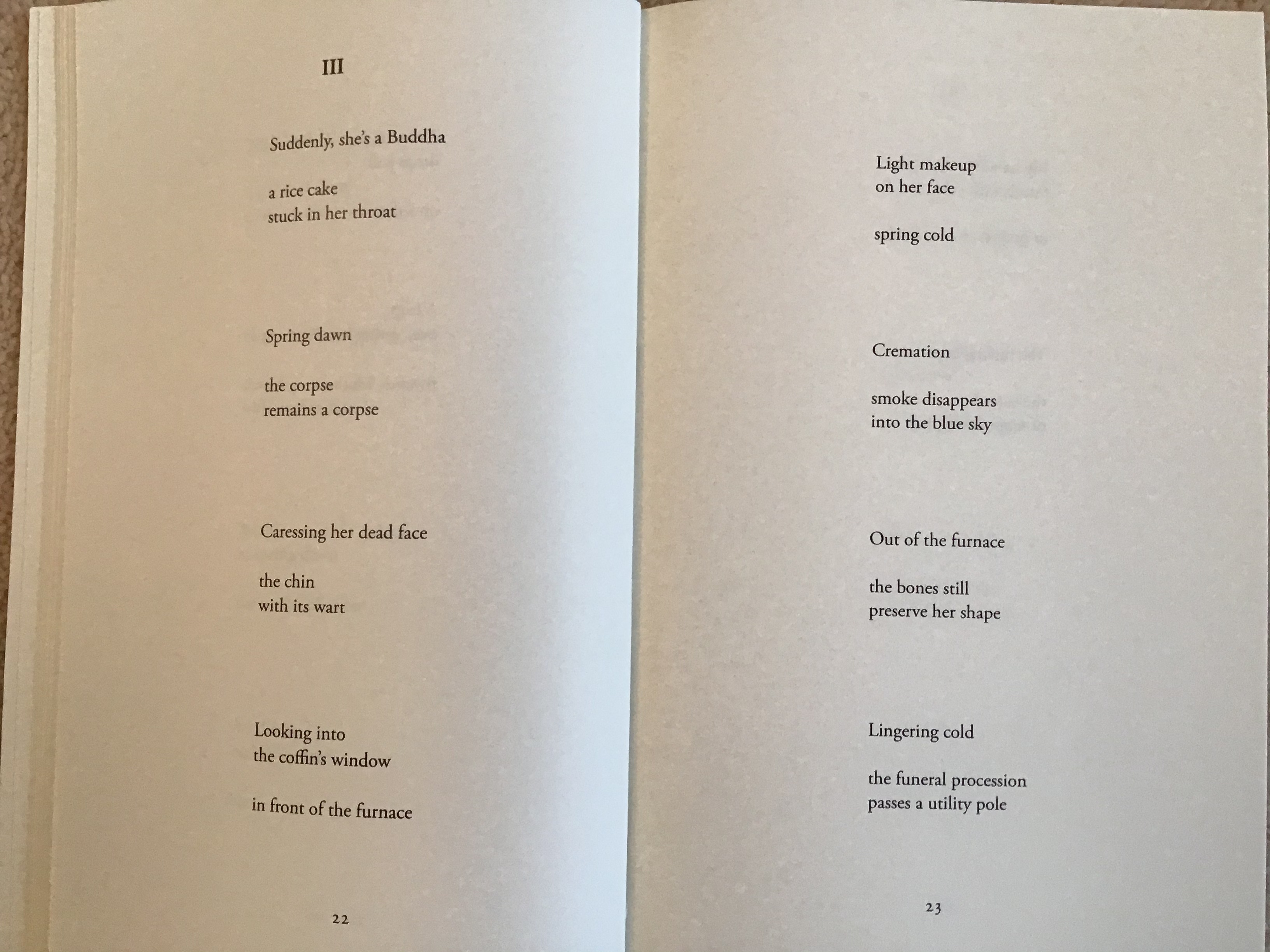
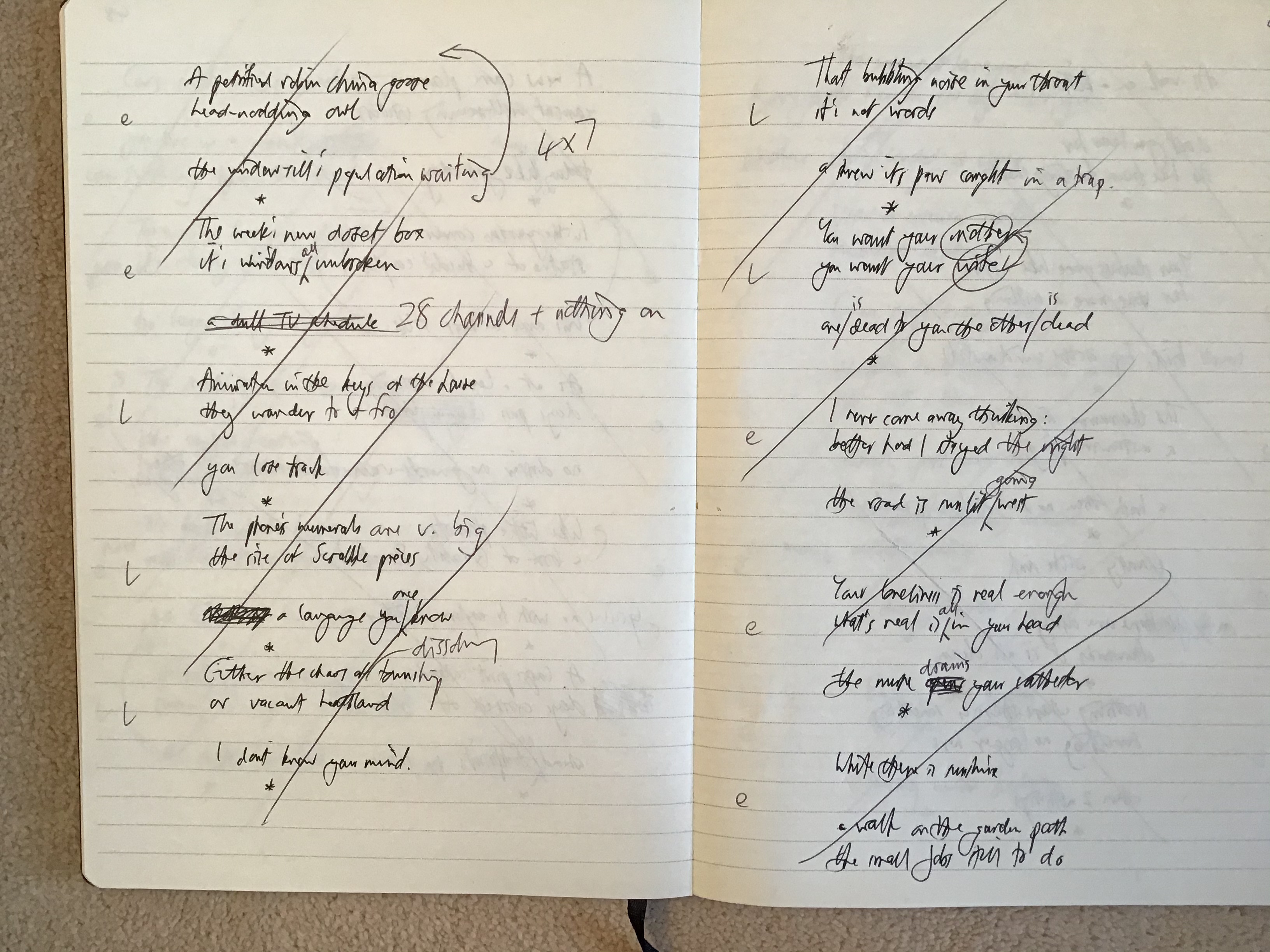
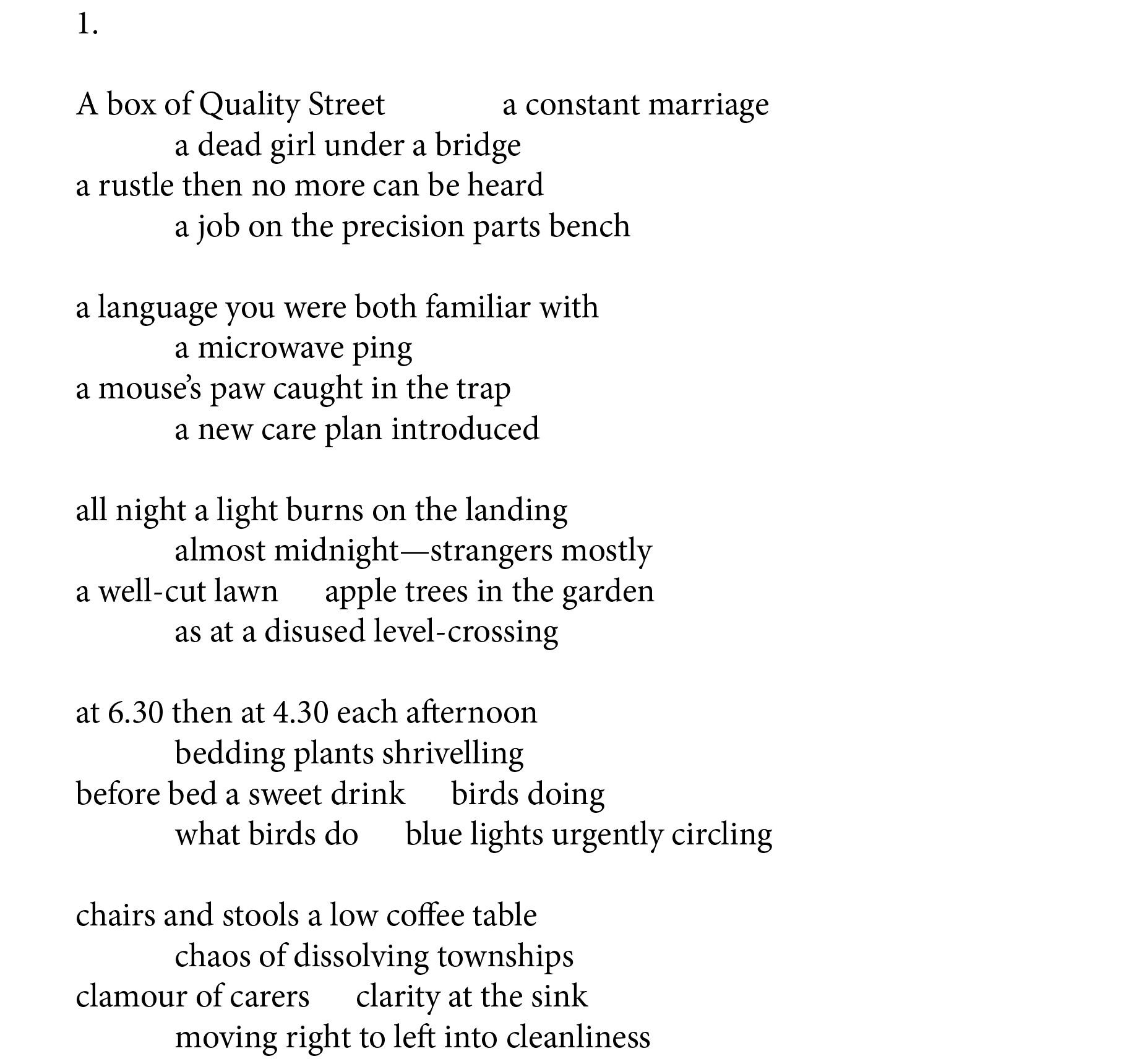
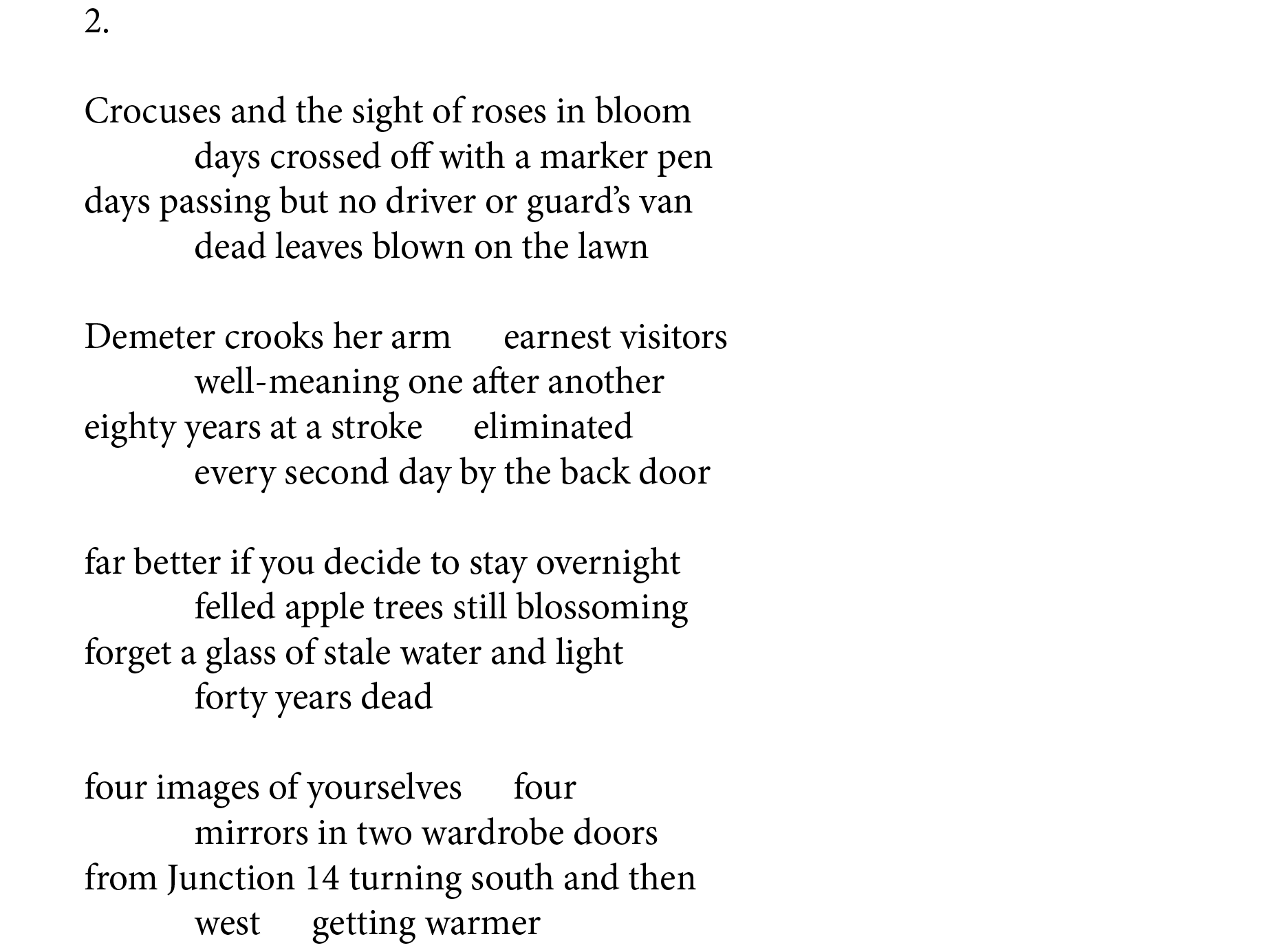
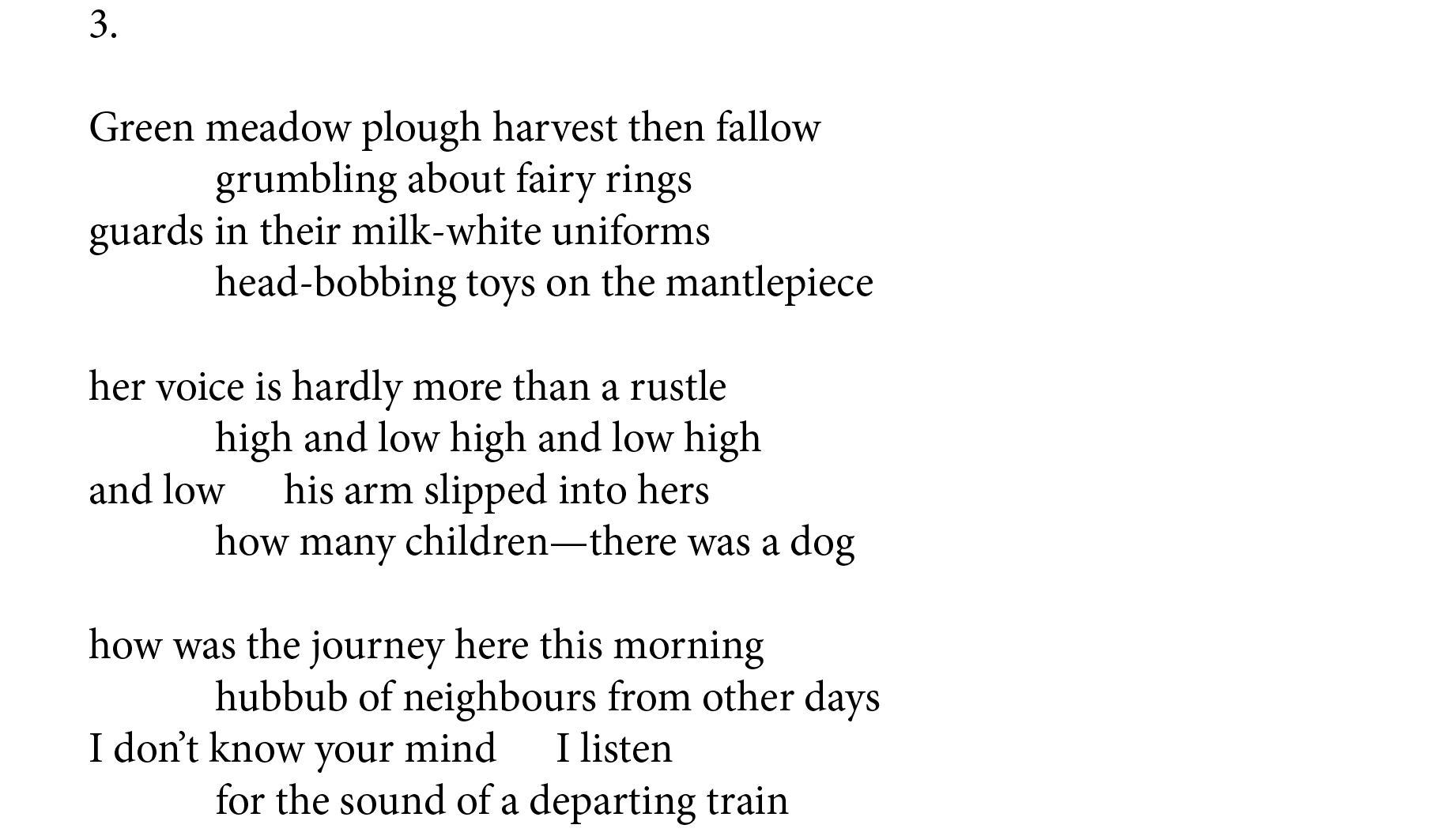
Walking Away has three shorter poems – “Video Call,” “My Mother’s Care Home Room (as Cleopatra’s monument)” and “In This Quiet One-way West Country Town” – along with the eponymous long sequence of tercets, measuring the calculus of change in human life. Crucefix adapts the Japanese form of the Haiku brilliantly in his long sequence “Walking Away.” This is a sense adaptation of the form, not necessarily a servile conformity to the 5-7-5 syllabic fiat, but a reinterpretation of the dynamic, emphasizing the break (after two lines or one), and corresponding to the idea of the Kireji or the divide in Japanese. Strictly speaking these are more akin to Senryu, poetry that speaks of human life rather than the natural world.
Crucefix reminds us that living is a one-way road (not just in West Country towns). There’s no way back. Living is a walking away from the consolations of Time, an inexorable moving away of people dearest to us, our parents. His poetry stands up, unflinchingly, to this bruise.
About the reviewer: Debasish Lahiri has nine collections of poetry to his credit, the latest being A Certain Penance of Light (2025). Lahiri is the recipient of the Prix-du Merite, Naji Naaman Literary Prize 2019.
 Martyn Crucefix